2026 Best Injection Machine Robot Features and Benefits?
In the dynamic landscape of industrial automation, the role of the Injection Machine Robot is increasingly pivotal. The global market for robotics in manufacturing was valued at $43.9 billion in 2020, with a projected annual growth rate of 8.9% through 2026. This surge reflects the increasing demand for efficiency, precision, and reduced operational costs in production lines.
Injection Machine Robots offer distinct advantages. They enhance production speed and accuracy, reducing human error significantly. Recent studies indicate that companies using these robots can increase output by up to 30%. However, the integration of such technology is not without challenges. Companies often struggle with the initial costs and complex programming of these robots. Additionally, the need for skilled operators presents another hurdle for manufacturers transitioning to automated solutions.
Despite these challenges, the benefits of Injection Machine Robots are undeniable. They not only improve product quality but also adapt well to various manufacturing processes. As industries evolve, the need for these innovative machines becomes ever more crucial. The future hinges on embracing these technologies while addressing their shortcomings. Evaluating both their benefits and limitations is essential for sustained competitiveness in the industry.
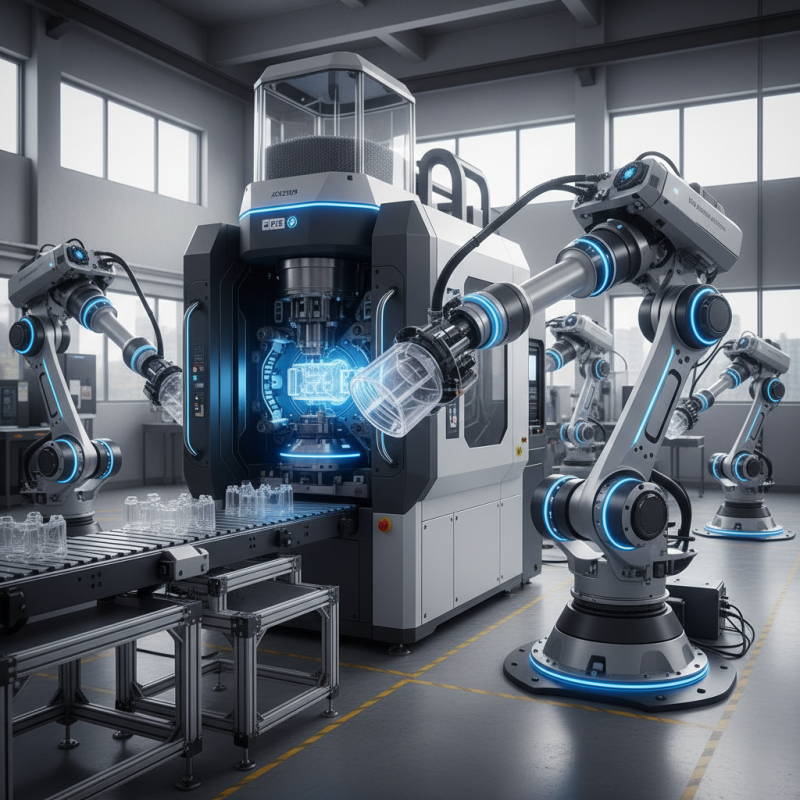
Key Innovations in 2026 Injection Machine Robots
As industries evolve, the injection machine robot sector is seeing remarkable innovations in 2026. One significant advancement is the integration of artificial intelligence. These robots now analyze production data in real-time. This feature enhances efficiency and reduces waste significantly. However, the implementation of AI can be challenging. Companies need to invest in training and support for optimal results.
Another key innovation is improved precision in manufacturing. New sensors and actuators provide better control over the injection process. This leads to higher quality products with fewer defects. However, not all manufacturers are adapting quickly to these changes. Some may struggle to upgrade their systems and training, leading to inconsistencies in quality.
Flexibility is also a major benefit of modern injection machine robots. They can be reprogrammed for different tasks with minimal downtime. This adaptability allows companies to respond faster to market demands. Yet, this flexibility can sometimes compromise speed. Longer setup times for complex molds may hinder production in certain cases.
2026 Best Injection Machine Robot Features and Benefits
| Feature | Description | Benefits |
| Advanced AI Integration | Utilizes machine learning algorithms for optimized performance. | Improves efficiency and reduces waste. |
| Enhanced Precision | Incorporates advanced sensors for precise measurements. | Ensures high-quality outputs with minimal defects. |
| User-Friendly Interface | Intuitive controls and display for easy operation. | Reduces training time and enhances operator efficiency. |
| Energy Efficiency | Designed to consume less power while maximizing performance. | Lowers operational costs and minimizes environmental impact. |
| Modular Design | Allows for easy upgrades and customization. | Provides flexibility to adapt to changing production needs. |
| Real-Time Monitoring | Features real-time data analytics for machine performance. | Enables proactive maintenance and reduces downtime. |
Advantages of Automated Injection Molding Processes
Automated injection molding processes offer numerous advantages worth exploring. These processes enhance efficiency and precision in manufacturing. One significant benefit is reduced labor costs. With robots performing the tasks, the need for manual labor diminishes greatly. This shift allows companies to allocate human resources to more value-added activities.
Another advantage is consistent quality. Automated systems minimize human error, ensuring that each product meets strict specifications. This uniformity reduces waste and reworks, significantly impacting the bottom line. As products are manufactured within tighter tolerances, customer satisfaction typically increases.
Tips: Consider integrating sensors for real-time monitoring. These can alert you to issues before they escalate. Also, regular maintenance of your automated systems is crucial. Neglecting this can lead to unexpected downtime. Automation is not a one-size-fits-all solution. Each setup might require adjustments and reflections on overall performance. Make sure to analyze and refine your processes regularly for optimal results.
2026 Best Injection Machine Robot Features and Benefits
Essential Features of Advanced Injection Machine Robots
The world of injection molding is rapidly evolving. Advanced injection machine robots now boast several essential features that enhance efficiency and precision. One key feature is their ability to operate with impressive speed. Many machines can perform cycles in under 10 seconds. This quick turnaround increases productivity and reduces operational costs.
Moreover, these robots include advanced vision systems. They can detect defects and ensure quality control in real-time. Implementing such technology minimizes waste and boosts overall product quality. Another important aspect is flexibility. Many robots can be programmed for different tasks, making them adaptable to various production needs. This adaptability is crucial for manufacturers facing changing market demands.
Yet, there are challenges. Integrating these robots into existing systems can be complex. Training staff to handle advanced technology takes time and resources. Additionally, while these machines offer many benefits, they may also lead to job displacement concerns. Balancing automation with the need for human oversight is vital. Each of these features brings advantages but also invites reflection on broader impacts within the industry.
Applications of Injection Machine Robots in Various Industries
Injection machine robots play a crucial role in various industries today. These automated systems enhance efficiency and precision, meeting the demands of modern manufacturing. In the automotive sector, they produce parts with tight tolerances. This is vital for quality and safety. Additionally, injection robots reduce human error. They provide consistent results, which is essential for large-scale production.
In the realm of consumer goods, these machines offer flexibility. They can easily switch between different products. This adaptability helps brands stay competitive in rapidly changing markets. However, the reliance on such technology may lead to challenges, like job displacement. Companies must consider the implications of automation on their workforce.
In the medical field, the precision of injection machine robots is vital for creating reliable components. This ensures that products meet strict health regulations. Yet, the complexity of these robots may deter small manufacturers. They often struggle with initial costs. Thus, finding a balance between technology and human involvement is vital for all sectors.
Future Trends in Injection Machine Robotics Technology
The future of injection machine robotics technology is dynamic and fascinating. As industries strive for efficiency, robotics is transforming how injection molding is executed. Advanced sensors and AI integration are making machines smarter. Robots can now predict maintenance needs, reducing downtime.
Tips: Always assess the return on investment when upgrading equipment. Sometimes, the latest technology may not fit all production needs.
Robots are becoming more collaborative. Human workers and machines work closely together. Safety and flexibility are key focuses. However, adapting to these new systems can be challenging. Training employees effectively is crucial.
Tips: Encourage feedback from your team. They can provide insights on improving robot integration.
Sustainability is another trend shaping robotics. Energy-efficient machines are gaining popularity. Companies aim to reduce waste and energy consumption. Implementing smarter technologies can improve overall production sustainability. Still, not all solutions are one-size-fits-all. Each facility has unique challenges to overcome.