
Blog

2026 Best Portable Multi Gas Detector for Global Buyers?

Choosing the 2026 best Portable Multi Gas Detector requires more than comparing prices or sensor counts. Global buyers need equipment that performs reliably in real workplaces. A compact detector may monitor oxygen, combustible gases, and toxic hazards, but its value depends on accuracy, alarm response, battery life, and service support.

Field conditions can change quickly. A worker may enter a dim utility tunnel, a crowded plant room, or a windy outdoor site. Clear displays, strong audible alarms, vibration alerts, and simple controls matter in those moments. Certified protection against dust, water, and explosion risks should match the intended environment. Regional approval requirements also vary, so buyers must verify documentation before purchase.

Real performance is not always visible on a product page. Sensor lifespan, calibration access, replacement costs, data logging, and charging options deserve closer attention. Some devices look impressive but become difficult to maintain after several months. That is easy to overlook. Manufacturer experience, published test methods, warranty terms, and responsive technical support can reveal more than marketing language. Independent user feedback is useful, although it may reflect different climates, industries, or maintenance habits.

This guide compares practical features for international purchasing teams, safety managers, and distributors. It considers detection capability, operating comfort, durability, compliance evidence, and total ownership cost. No single detector fits every site. The right choice should protect workers while supporting dependable daily inspections. Small details matter. And assumptions should be checked.
2026 Best Portable Multi Gas Detector for Global Buyers?

Portable Multi-Gas Detectors: Functions, Gas Types, and 2026 Applications

Portable Multi-Gas Detectors: Functions, Gas Types, and 2026 Applications

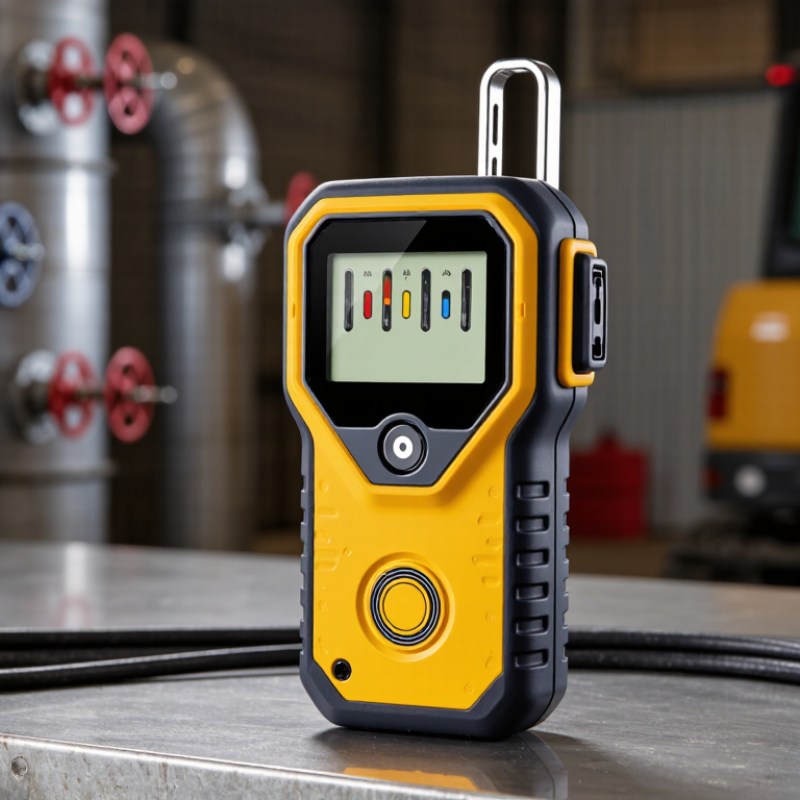
A Portable Multi-Gas Detector combines several sensors in one handheld device. Common channels measure oxygen, combustible gases, carbon monoxide, and hydrogen sulfide. Some models also detect volatile organic compounds or selected toxic gases. Gas selection should follow the actual hazard assessment, not a generic checklist. No detector fits every site.

Core functions include audible, visual, and vibrating alarms. Clear readings matter when workers wear gloves or hearing protection. Data logging records gas levels, alarm events, and time stamps for later review. A sampling pump can draw air from tanks, manholes, or narrow pipework before entry. Battery duration, sensor replacement, ingress protection, and screen visibility also affect daily performance. Small details become important.

In 2026, these instruments support confined-space inspections, wastewater treatment, construction, utilities, mining, and industrial maintenance. Oxygen readings can reveal oxygen deficiency or enrichment. Combustible-gas sensors help identify explosive atmospheres before hot work begins. Toxic-gas channels are valuable near sewage, chemical storage, and combustion equipment. In my experience, bump testing before each shift catches simple failures that software cannot. Calibration remains essential.

A detector may show a stable number while its sensor is aging. That weakness deserves attention.

Buyers should compare response time, alarm thresholds, operating temperature, service access, and regional documentation. Choosing more sensors is not always safer. Poorly matched sensors can increase cost, training demands, and maintenance errors. Competent users still need site procedures, fresh-air checks, and practical training.

Sensor Performance: 0–100% LEL, 0–30% O₂, and Toxic-Gas ppm Ranges

2026 Best Portable Multi Gas Detector for Global Buyers?

Sensor Performance: 0–100% LEL, 0–30% O₂, and Toxic-Gas ppm Ranges

A capable portable detector should read combustible gases from 0–100% LEL, oxygen from 0–30% O₂, and toxic gases in clearly defined ppm ranges. This matters underground, inside tanks, and near process equipment. OSHA identifies atmospheres below 19.5% oxygen as oxygen-deficient and above 23.5% as oxygen-enriched. A 0–30% O₂ sensor therefore gives useful headroom for both conditions. The OSHA standard also supports practical alarm planning, not only measurement.

Toxic-gas coverage requires closer inspection. The NIOSH Pocket Guide lists a 100 ppm IDLH value for hydrogen sulfide, while its recommended exposure limit for carbon monoxide is 35 ppm over eight hours. A detector may offer ranges such as 0–100 ppm H₂S and 0–1,000 ppm CO, but range alone proves little. Response time, resolution, calibration stability, humidity resistance, and cross-sensitivity deserve equal attention. A wide range can look impressive. That assumption is risky.

Tips: Check each sensor’s alarm thresholds against current OSHA and NIOSH guidance. Verify calibration before every shift, using certified test gas and a documented bump test. Keep the sampling inlet clear of dust and condensation. In my experience, workers often trust a quiet display too quickly. I would treat unexplained zero readings as a warning, not reassurance. Different countries may apply stricter workplace limits, so global buyers should compare local requirements before purchase.

2026 Best Portable Multi Gas Detector for Global Buyers? - Sensor Performance: 0–100% LEL, 0–30% O₂, and Toxic-Gas ppm Ranges

Reference performance matrix for selecting a portable multi-gas detector. Actual specifications, approvals, sensor combinations, and alarm settings vary by instrument configuration and local regulations.

Sensor Channel Typical Measuring Range Common Resolution Sensor Technology Typical Alarm Setpoints Primary Application Global Buyer Considerations
Combustible Gas 0–100% LEL 1% LEL Catalytic bead or infrared 10% and 20% LEL Leak detection, confined-space entry, process-area monitoring Confirm the calibration gas, target-gas response factors, oxygen dependency, and resistance to sensor poisoning.
Oxygen (O₂) 0–30% volume 0.1% volume Electrochemical Low: 19.5%; high: 23.5% Confined spaces, tanks, manholes, laboratories, and industrial maintenance Alarm values should be adjusted to the applicable occupational-safety rules and site risk assessment.
Carbon Monoxide (CO) 0–500 ppm 1 ppm Electrochemical 35–50 ppm low; 100–200 ppm high Combustion areas, boiler rooms, garages, mining, and emergency response Check cross-sensitivity to hydrogen and other interfering gases, especially in industrial environments.
Hydrogen Sulfide (H₂S) 0–100 ppm 0.1 ppm Electrochemical 5–10 ppm low; 10–20 ppm high Oil and gas, wastewater, sewers, agriculture, and confined spaces Use a low-range sensor for toxic exposure monitoring; high concentrations can rapidly impair the sense of smell.
Sulfur Dioxide (SO₂) 0–20 ppm 0.1 ppm Electrochemical 1–2 ppm low; 5 ppm high Combustion plants, metal processing, pulp and paper, and chemical handling Verify humidity performance, cross-interference, and whether the selected detector supports the required sensor module.
Nitrogen Dioxide (NO₂) 0–20 ppm 0.1 ppm Electrochemical 1–3 ppm low; 5 ppm high Diesel exhaust, tunnels, underground work, welding, and engine rooms Allow sufficient response time and confirm compatibility with other installed electrochemical sensors.
Ammonia (NH₃) 0–100 ppm 1 ppm Electrochemical or photoionization-based configuration 25 ppm low; 35–50 ppm high Refrigeration, fertilizer production, food processing, and livestock facilities Check sensor lifetime, material compatibility, temperature limits, and recovery time after high exposure.
Chlorine (Cl₂) 0–10 ppm 0.1 ppm Electrochemical 0.5–1 ppm low; 2–5 ppm high Water treatment, disinfection, chemical plants, and swimming-pool facilities Confirm the detector’s resistance to corrosive atmospheres and its recommended calibration procedure.
Volatile Organic Compounds 0–2,000 ppm 0.1–1 ppm Photoionization detector, typically with a 10.6 eV lamp Site-specific; often 10–50 ppm Solvents, petrochemical operations, coatings, laboratories, and spill response Readings depend strongly on the compound’s ionization potential; apply correction factors for individual VOCs.

Selection checklist: Prefer a portable detector with automatic bump-test reminders, calibration records, audible/vibrating/visual alarms, data logging, replaceable filters, clear battery status, ingress protection appropriate to the site, and certification suitable for the intended hazardous area. “Best” performance depends on the target gases, expected concentrations, response time, environmental conditions, maintenance plan, and regulatory requirements.

Safety Certifications: ATEX, IECEx, UL, and IP68 Requirements

For global buyers, certification is more important than a colorful screen or a long sensor list. The ILO estimated 2.93 million work-related deaths and 395 million non-fatal injuries in 2023. Gas exposure remains a serious risk in confined spaces, refineries, mines, and wastewater plants. A portable detector should match the hazardous area, gas group, temperature class, and local approval route.

ATEX supports equipment used in explosive atmospheres across the European market. IECEx provides an internationally recognized certification system, helping buyers compare equipment across participating countries. UL certification can support acceptance in North America, but the exact standard and installation conditions still matter. IP68 describes resistance to dust and prolonged water immersion. It does not prove explosion protection or sensor accuracy. This distinction is often missed. Certification labels alone are not enough.

Tips: Ask for the current certificate, not only a product brochure. Check the certificate number, approved gas types, operating temperature, battery limits, and calibration interval. A detector exposed to heavy humidity may pass an IP test yet drift during daily use. Practical teams should document bump tests before every shift and schedule calibration according to site risk. Reports from the ILO are authoritative, but workplace conditions vary. No device removes the need for trained users, ventilation checks, and a clear escape plan.

Field Usability: 12–24-Hour Battery Life and 95 dB Alarm Standards

2026 Best Portable Multi Gas Detector for Global Buyers?

For global buyers, field usability begins with dependable battery performance. A detector rated for 12 to 24 hours can support a full shift, patrol, or emergency inspection. In real workplaces, cold weather, alarms, wireless functions, and sensor age reduce runtime. A claimed 24-hour result may not survive busy conditions. That gap deserves attention.

Alarm audibility is equally important. A 95 dB alarm can cut through machinery, traffic, and protective clothing. Buyers should verify whether the rating was measured at a specific distance and under controlled conditions. Visual indicators and strong vibration should support the sound alarm, especially in noisy or enclosed areas. Field teams should test alarms before each shift. Small failures matter.

Tips: Select a model with a replaceable or quickly rechargeable battery. Request independent test data for runtime and alarm output. Check calibration records, sensor replacement intervals, and charging performance across local power systems. Keep the alarm speaker clear of dust and clothing. Do not trust specifications alone. A short field trial may reveal weak buttons, confusing menus, or uncomfortable weight. Those details are easy to overlook, and I still think many buyers underestimate them.

Global Buying Criteria: Calibration, Total Cost, Warranty, and Compliance

For global buyers, the best portable multi gas detector in 2026 is not simply the smallest or cheapest model. Calibration support should guide the purchase. Check whether the unit supports traceable calibration, clear bump-test records, and replaceable sensors. Ask how often calibration is recommended under heat, humidity, dust, or heavy daily use. A detector may pass a factory test yet drift after months in the field.

Total cost needs a wider calculation. Include sensors, filters, batteries, charging equipment, calibration gas, software, training, shipping, and downtime. A low purchase price can become expensive after one sensor replacement. Request a written five-year cost estimate. It may still be imperfect, because gas consumption and repair frequency vary between sites. That uncertainty deserves attention.

Warranty terms should explain coverage periods, exclusions, service locations, and response times. Confirm who pays for international transport and whether failed sensors are included. Compliance documents must match the destination market and operating environment. Review test reports, product markings, manuals, and language options before ordering. Relevant requirements may differ by country, industry, and hazardous-area classification. Do not rely on a certificate image alone. Verify its issuer and current validity. A useful supplier also provides training records, calibration procedures, and responsive technical support. Availability matters during a busy shift.

2026 Best Portable Multi-Gas Detector for Global Buyers

Global buying criteria: calibration, total cost, warranty, and compliance

This procurement benchmark assigns a 100-point evaluation weight to the four factors most relevant to international buyers. Calibration readiness supports measurement reliability, total cost of ownership covers purchase and operating expenses, warranty reduces lifecycle risk, and compliance confirms suitability for regulated hazardous environments.

By continuing to use the site, you agree to the use of cookies. more information

The cookie settings on this website are set to "allow cookies" to give you the best browsing experience possible. If you continue to use this website without changing your cookie settings or you click "Accept" below then you are consenting to this.

Close