7 Best Cans Filling Machines for Global Buyers
Choosing the right Cans Filling Machine is a practical decision for global buyers. It affects product quality, labor efficiency, hygiene, and long-term operating costs. A machine that performs well in one factory may fail elsewhere. Climate, can dimensions, beverage viscosity, and local utilities all matter.
Packaging automation consultant Mark D. White offers a useful reminder: “The fastest filler is not always the most valuable machine.” That principle guides this comparison. The seven selected models are reviewed through measurable factors, including filling accuracy, production speed, changeover time, clean-in-place design, material quality, and after-sales support. Small details matter. A poorly designed valve can create foam, product loss, and inconsistent fill levels. A narrow service network can create longer downtime for overseas buyers.
Global purchasing requires broader judgment. Buyers should check voltage compatibility, language support, spare-parts availability, installation training, and regional certification requirements. Stainless-steel contact parts should also match the product and cleaning process. Carbonated drinks need different handling from sauces, juices, or edible oils.
No ranking can fit every factory. That limitation is worth admitting. A compact machine may suit a startup, while a rotary system may better serve a high-volume plant. Price alone can mislead. An inexpensive filler may carry higher maintenance costs later. This guide compares practical strengths and weaknesses, helping buyers identify the Cans Filling Machine that fits their product, scale, workforce, and expansion plans. Expect useful answers, but verify technical claims with the manufacturer.
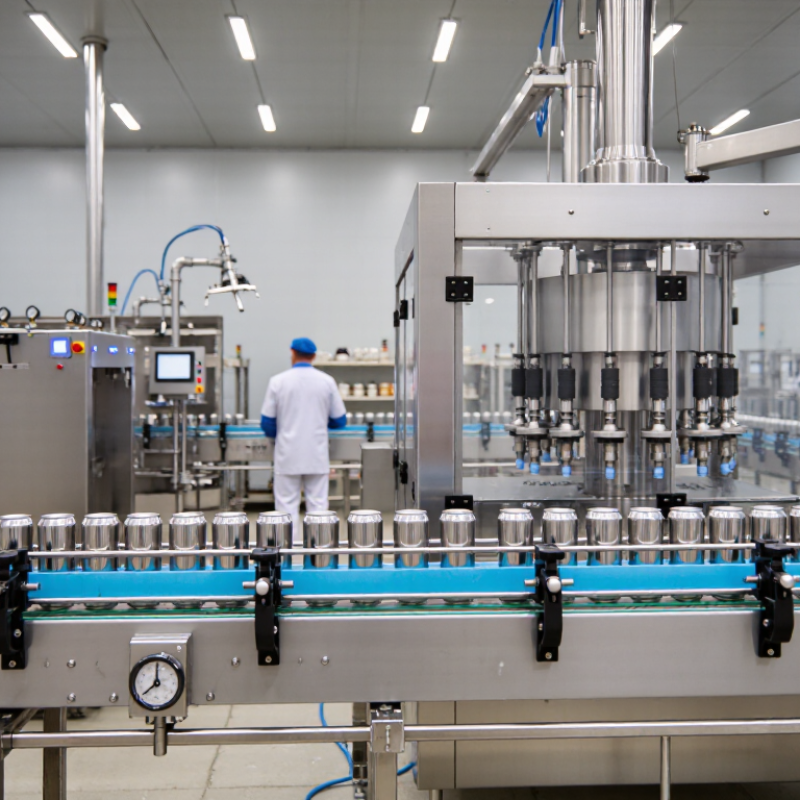
What Can Filling Machines Are and How They Work
Can filling machines are industrial systems that dose liquid products into metal cans, then seal them for storage and transport. They improve speed, filling accuracy, hygiene, and production consistency. Their design varies with the product, can size, viscosity, and required output.
A typical line starts by feeding clean, empty cans onto a conveyor. Sensors check their position before the filling heads descend. Each valve releases a measured volume through gravity, pressure, or a pump. Carbonated products may require controlled pressure to reduce foam and product loss. After filling, a seaming unit joins the lid to the can rim with carefully adjusted rollers. The seal must be tight, but excessive pressure can damage the can.
This sounds simple. It is not perfect.
In daily production, foam, temperature changes, dust, and uneven can movement can affect results. Experienced operators inspect fill levels, seam quality, and conveyor timing during every shift. Automatic sensors help, but they cannot replace practical judgment. A specification sheet rarely shows the whole situation. Buyers should test real products with actual cans before ordering. Power supply, floor space, cleaning access, spare parts, and operator training also deserve attention. A machine that performs well in a factory trial may need adjustment after installation. That uncertainty should be discussed openly.
Key Features to Compare Before Choosing a Can Filling Machine
Choosing among the 7 best can filling machines requires more than checking speed. Grand View Research valued the global metal cans market at about USD 78.7 billion in 2023. It also forecasts steady growth through 2030. This demand makes reliable filling equipment increasingly important. Buyers should compare rotary and inline designs, volumetric accuracy, changeover time, and cleaning access. A fast machine can still waste product if its control system reacts slowly.
Filling accuracy deserves careful attention. A difference of only a few milliliters can increase giveaway across thousands of cans. Compare the machine’s stated tolerance, test method, and performance at different product temperatures. Stainless-steel contact parts, automatic level control, and tool-free adjustments support safer, easier operation. PMMI’s 2024 packaging outlook continues to identify labor availability and equipment flexibility as major industry concerns. Therefore, simple controls and quick format changes matter. Not every “high-speed” claim reflects real production conditions.
Tips: Request a factory acceptance test using your cans and product. Measure actual output, foam levels, downtime, and cleaning duration. Check whether spare sensors and seals are locally available. Energy use also matters; the U.S. Department of Energy notes that compressed-air systems can lose 20–30% of input energy through leaks. That figure is easy to overlook. I would also challenge optimistic payback calculations. They often exclude changeover labor, rejected cans, and seasonal production.
Installation, Maintenance, Safety, and Global Purchasing Considerations
For global buyers, the seven useful can-filling configurations include gravity, counter-pressure, volumetric, piston, overflow, inline, and rotary systems. Each suits different liquids, speeds, and container sizes. Installation begins with accurate floor leveling, utility checks, and hygienic pipe routing. A two-millimeter alignment error can create vibration, leaks, or uneven filling.
PMMI’s 2024 State of the Industry report identifies labor availability and automation as major packaging priorities. That finding supports simpler controls, remote diagnostics, and quick-change parts. However, automation does not remove maintenance work.
Operators should inspect valves, seals, sensors, and conveyor guides daily. Sanitation schedules must match the product’s viscosity and contamination risk. ISO 12100 risk assessment and ISO 13849 safety controls should guide guarding, emergency stops, and restart procedures. Local electrical rules still matter. A machine built for one voltage may need costly modification elsewhere.
Tips: Request factory acceptance testing with your actual cans and liquid. Confirm output at real operating speed, not only the supplier’s maximum rate. Ask for spare-part lists, maintenance videos, manuals, and technician response times. Check corrosion resistance near washdown areas. I have seen clean installations fail because drainage was ignored. Buyers should also compare total ownership cost, not purchase price alone. Energy use, changeover time, rejected cans, training, and customs paperwork can reshape the final budget. Mistakes happen, especially when specifications are copied without reviewing local conditions.