What are the Benefits of Using 304 Stainless Steel Raw Materials?
The use of "304 Stainless Steel Raw Materials" is thriving in various industries. This versatile alloy, known for its corrosion resistance and durability, has become a preferred choice in construction, automotive, and food processing sectors. According to a report by MarketsandMarkets, the global market for stainless steel is expected to reach $156 billion by 2025, with 304 grades leading the way.
Expert in material science, Dr. James Wilson, emphasizes, "304 Stainless Steel Raw Materials are essential for modern applications due to their stability and adaptability." This underscores the material's significance in meeting demanding industrial standards. However, challenges remain, such as fluctuating prices and sourcing issues that can impact manufacturing.
Despite its advantages, the industry must remain vigilant about quality control and environmental considerations. As production scales increase, the importance of sustainable practices also grows. Thus, while 304 Stainless Steel Raw Materials offer numerous benefits, ongoing reflection on industry practices is crucial for long-term success.
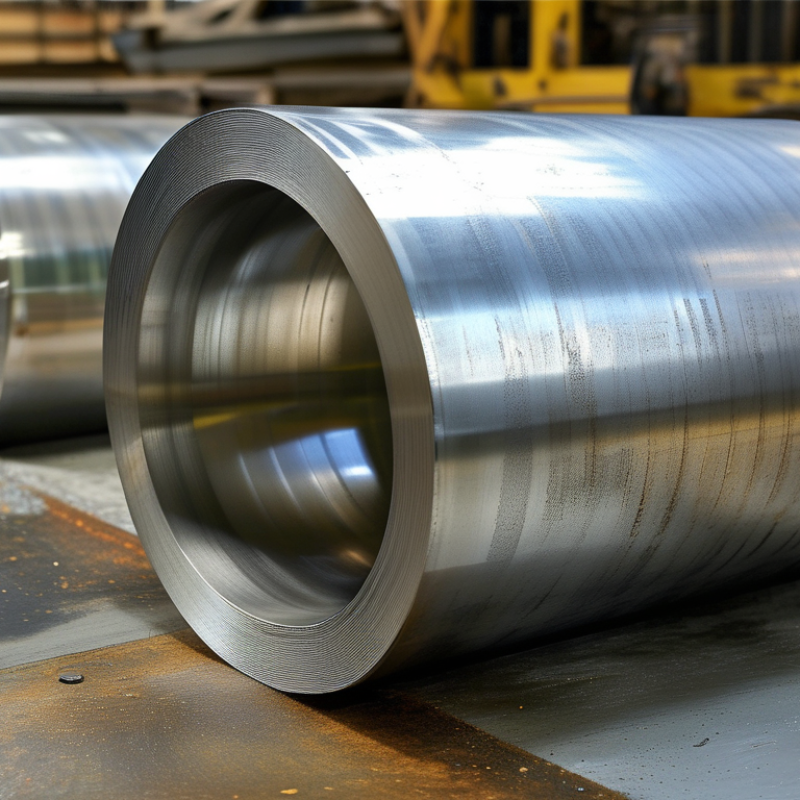
Advantages of 304 Stainless Steel in Various Industries
304 stainless steel is widely utilized across various industries due to its unique properties. Its excellent corrosion resistance makes it ideal for food processing and medical applications. This material withstands harsh environments, ensuring safety and longevity in equipment and structures. Many industries lean on 304 stainless steel to meet strict hygiene standards.
The versatility of 304 stainless steel extends to architecture and automotive sectors too. Its aesthetic appeal, combined with durability, makes it a popular choice for building facades and kitchen appliances. However, despite its advantages, some may find its cost is higher than other metals. This raises questions about budget constraints for smaller projects.
Some professionals notice that while 304 stainless steel is highly effective, its workability can be challenging. Techniques for welding or machining require specific skills. Mistakes in these processes can lead to wasted materials or structural issues. This reality reminds us to invest in training and expertise when using this material.
Corrosion Resistance of 304 Stainless Steel Explained
The corrosion resistance of 304 stainless steel is a significant factor in its widespread use across various industries. In environments where moisture and corrosive substances are present, 304 stainless steel exhibits exceptional durability. According to industry reports, this material can withstand oxidation and pitting, which commonly affect other metals.
The unique chemical composition of 304 stainless steel contributes to its corrosion resistance. With a content of 18% chromium and 8% nickel, it creates a protective layer on the surface. This layer prevents rust and corrosion from penetrating the metal. Studies show that, in typical conditions, 304 stainless steel can resist corrosion for over 200 years. Yet, it is not completely impervious. Prolonged exposure to chloride environments can lead to localized corrosion. This is an important consideration for industries like marine, where salts in seawater can impact metal integrity.
While 304 stainless steel is reliable, its use must be approached with thoughtful planning. Understanding the specific environment and potential stress factors on the steel is crucial. Furthermore, regular maintenance can enhance its lifespan. Some applications may benefit from alternative materials, especially in uniquely demanding conditions. Balancing the benefits and limitations is essential in material selection.
Durability and Longevity of 304 Stainless Steel Products
304 stainless steel is renowned for its exceptional durability and longevity. This alloy is resistant to rust and corrosion, making it a popular choice for various applications. Its ability to withstand extreme temperatures and harsh environments ensures that products made from 304 stainless steel maintain their structural integrity over time. This durability is crucial in industries like construction, food processing, and medical equipment.
When choosing materials, consider the specific requirements of your project. While 304 stainless steel offers many benefits, it may not be the optimal choice for all applications. It struggles with high chloride environments, which can lead to pitting corrosion. Understanding the limitations of this material is essential to making informed decisions.
Ensure proper care for 304 stainless steel products. Regular cleaning can enhance their lifespan significantly. Even though this material is low-maintenance, neglect can lead to staining or corrosion. Using a gentle cleaner and soft cloth can prevent surface scratches while keeping the shine intact. Regular maintenance routines will pay off in the long run, ensuring your products remain functional and aesthetically pleasing.
Cost-Effectiveness of 304 Stainless Steel Raw Materials
304 stainless steel is renowned for its versatility and durability. When it comes to cost-effectiveness, it often excels compared to other materials. The production costs are relatively low, which makes it accessible for various industries. Manufacturers can source 304 stainless steel without breaking the bank. The longevity of this material minimizes replacement costs.
Moreover, the resistance to corrosion allows structures and products to maintain integrity over time. This trait translates into savings on maintenance. Regular upkeep can be time-consuming and costly. With 304’s resilience, businesses spend less on repairs. This aspect also influences overall project budgets.
Yet, using 304 stainless steel is not without its challenges. Not all applications benefit equally from its properties. For instance, environments with high heat might compromise its performance. Assessing specific needs is crucial. By weighing the pros and cons, industries can make informed choices. These decisions will ultimately affect their bottom line.
Environmental Impact and Sustainability of Using 304 Stainless Steel
The environmental impact of materials used in manufacturing is significant. 304 stainless steel stands out because of its durability and recyclability. This alloy consists mainly of iron, chromium, and nickel. The production process involves high energy consumption. However, the long lifespan of 304 stainless steel helps offset this initial energy cost. Products made from this alloy can last for decades without degrading.
Recycling is a key feature of 304 stainless steel. When it reaches the end of its life cycle, more than 60% can be recycled. This reduces waste in landfills. Recycling also lowers the carbon footprint associated with new steel production. The industry has made strides in becoming more sustainable, yet challenges remain in reducing emissions during production.
Sustainability is not just about recycling. It also involves responsible sourcing of materials. Mining for nickel and chromium can harm ecosystems. More efforts are needed to improve these processes. Users should consider the full lifecycle of stainless steel products. Understanding their impact can foster better choices for the environment. Therefore, while 304 stainless steel offers benefits, continuous reflection on its environmental impact is crucial.