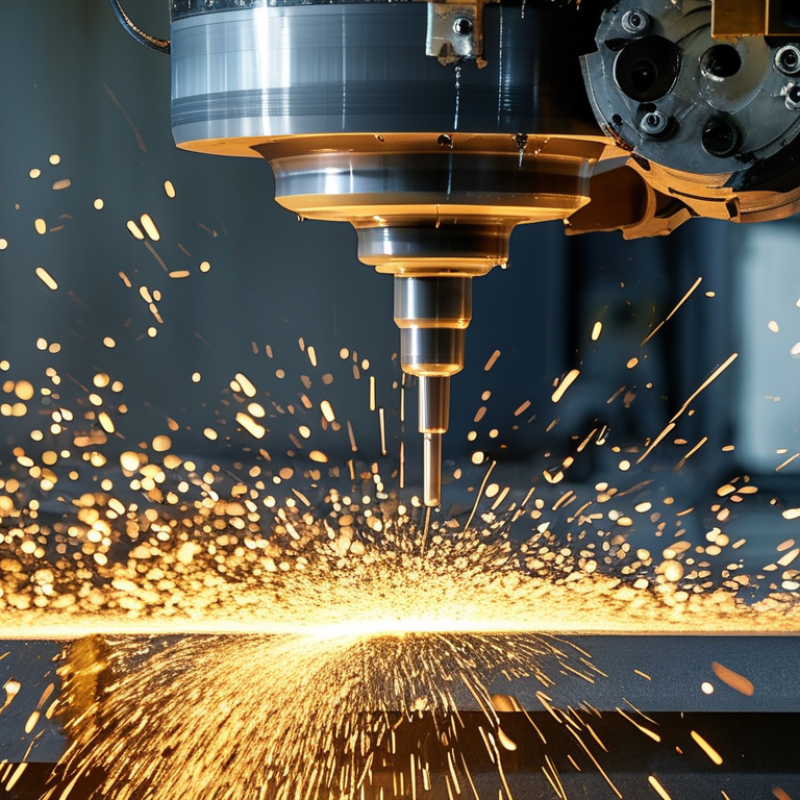
Top 10 Benefits of Axis CNC Machining for Your Business
In today’s competitive market, businesses are constantly seeking ways to enhance efficiency and precision. Axis Cnc Machining stands out as a powerful solution. This advanced technology revolutionizes manufacturing processes. It provides high accuracy, reducing errors and waste.
The benefits of Axis CNC machining extend beyond just precision. It allows for complex designs that were previously difficult to achieve. Moreover, this machinery significantly speeds up production time, enabling businesses to meet tight deadlines. Companies harness this technology to improve their productivity and ultimately their bottom line.
However, adopting Axis CNC machining comes with a learning curve. Not all businesses may fully utilize its capabilities. There’s a need for skilled operators who can maximize its potential. Overall, Axis CNC machining can be a game changer, but thoughtful implementation is essential for success.
Understanding Axis CNC Machining and Its Importance to Businesses
Axis CNC machining has become a cornerstone for modern businesses. By automating the process of cutting, drilling, and shaping materials, this technology enhances precision and efficiency. Understanding its importance can help businesses streamline operations and improve product quality.
Investing in Axis CNC machining reduces waste significantly. It ensures that every cut is exact, minimizing excess material. This not only saves costs but also supports sustainability efforts. However, companies sometimes underestimate the training needed for operators. A lack of proper knowledge can lead to errors, which may counteract the benefits of the technology.
To maximize the advantages of Axis CNC, businesses should focus on maintenance. Regular checks can prevent costly downtime. Investing in employee training is also crucial. Skilled operators can maximize machine efficiency and adapt to challenges more effectively. This leads to better output quality and increases overall productivity.
Top 10 Benefits of Axis CNC Machining for Your Business
| Benefit | Description | Impact on Business |
| Precision & Accuracy | Ensures highly accurate and repeatable measurements in manufacturing. | Reduces waste and increases product quality. |
| Increased Productivity | Automates machining processes, allowing for quicker production times. | Boosts overall efficiency and allows for higher output. |
| Cost-Effectiveness | Reduces labor costs and material waste through precision machining. | Improves profit margins on products manufactured. |
| Flexibility | Able to accommodate a wide range of materials and complexities. | Enables businesses to cater to diverse customer needs. |
| Complex Geometries | Easily crafts parts with intricate shapes and designs. | Expands design possibilities, leading to innovative products. |
| Enhanced Safety | Minimal human intervention reduces the risk of accidents. | Creates a safer working environment for employees. |
| Rapid Prototyping | Accelerates the development of new products through quick iterations. | Speeds up time-to-market for new offerings. |
| Scalability | Easily scales production up or down based on demand. | Improves responsiveness to market changes. |
| Better Resource Utilization | Optimizes material usage and workflow efficiency. | Reduces costs by maximizing resource efficiency. |
| Lower Lead Times | Quick setup and changeover times enable faster production cycles. | Enhances customer satisfaction with quicker deliveries. |
Enhanced Precision: How Axis CNC Machining Improves Product Quality
Axis CNC machining significantly enhances product quality with its advanced precision capabilities. This technology utilizes computer numerical control to guide machine tools. The result is a level of accuracy that manual machining simply cannot match. Tolerances as tight as a few microns can be achieved, ensuring that each component fits perfectly in your assembly. This precision minimizes waste and reduces the need for rework, leading to improved efficiency.
The impact of enhanced accuracy goes beyond just fitting parts together. It improves the overall reliability of the final products. For example, in industries like aerospace, where safety is paramount, even a slight deviation can lead to failures. CNC machining reduces human error, offering a level of control rarely seen in traditional methods. Despite its many advantages, some businesses worry about the initial investment in CNC technology. It's worth considering, however, that the long-term benefits often outweigh these upfront costs.
Using CNC machining does require a shift in mindset. Operators must be trained, and the technology needs regular maintenance. While the learning curve can be steep, the rewards include higher satisfaction rates from customers. Improved quality and reliability lead to better reviews and increased repeat business. Embracing CNC technology can be a turning point for many companies, although it demands ongoing evaluation and adaptation.
Increased Efficiency: Streamlining Production Processes with CNC Technology
CNC technology is revolutionizing how businesses approach production. With its precision and automation, companies can streamline their processes significantly. This increased efficiency often leads to reduced lead times. Tasks that once took hours can now be completed in minutes. The ability to replicate exact specifications enhances product quality, reducing waste and rework.
Adopting CNC machining also requires a mindset shift. There's a learning curve when integrating new technology. Employees may need training to operate sophisticated machines. This transition period can lead to initial setbacks, but the long-term benefits outweigh the challenges. Companies must be patient as they adapt. Emphasizing continuous improvement is essential for maximizing CNC’s potential.
Furthermore, while CNC machines boost efficiency, they are not flawless. Maintenance is crucial to avoid downtime. Unforeseen mechanical failures can disrupt workflows. Regularly scheduled check-ups can prevent costly interruptions. Balancing advanced technology with vigilant oversight creates a robust production environment that can withstand challenges.
Cost-Effectiveness: Saving Time and Resources with Axis CNC Machining
Axis CNC machining offers significant cost-effectiveness for businesses looking to optimize their manufacturing processes. According to a report by the Competitive Manufacturing Institute, companies that incorporate CNC machining can achieve up to 40% savings in labor costs. This is primarily due to automation and precision, which reduce the need for extensive manual labor.
In addition to labor savings, CNC machining enhances production efficiency. It has been found that companies can reduce project lead times by up to 75% when utilizing CNC technology. This rapid turnaround allows businesses to respond quickly to market demands. However, not every business fully harnesses these benefits. Some struggle with initial setup costs and training.
Moreover, while CNC machines can operate continuously with minimal supervision, occasional maintenance is necessary. Neglecting this can lead to costly downtime. Investing in preventative measures and skilled operators is critical to maximize the advantages of CNC technology. Balancing these factors can lead to improved overall efficiency but requires careful planning and monitoring.
Flexibility and Customization: Meeting Diverse Business Needs with CNC Solutions
CNC machining offers significant flexibility for diverse business requirements. It allows manufacturers to create intricate designs tailored to unique specifications. A recent industry report noted that companies using CNC technology increased their production efficiency by up to 30%. This adaptability serves sectors such as aerospace, automotive, and medical equipment.
Customization is a core benefit of CNC machining. Businesses can switch designs or specifications quickly without costly retooling. According to a survey, 90% of manufacturers reported improved customer satisfaction due to personalized products from CNC machining processes. Companies can produce small batches or high volumes, accommodating varied project demands.
However, this flexibility can sometimes lead to challenges. Companies may struggle with optimizing their workflow and managing costs. Strategizing the integration of CNC machining into existing operations requires foresight. The evolving technology landscape means constant learning is essential for businesses aiming to stay competitive.