Top 10 Benefits of Using Rubber Foam Sheet for Your Projects?
Rubber Foam Sheet has become a popular choice for many projects due to its versatility and unique properties. This material offers a range of benefits that make it suitable for various applications. From insulation to cushioning, Rubber Foam Sheet provides effective solutions across different industries.
One notable advantage is its lightweight nature. This makes it easy to handle and install. Projects that require sound absorption often benefit from using Rubber Foam Sheet, as it effectively dampens noise. The material is also moisture-resistant, which adds to its durability in various environments.
However, while Rubber Foam Sheet is highly beneficial, it's essential to consider the specifics of each project. Not every application may require its unique properties. Evaluating the requirements carefully can prevent unnecessary waste. Ultimately, understanding the strengths and limitations of Rubber Foam Sheet will lead to more effective project outcomes.
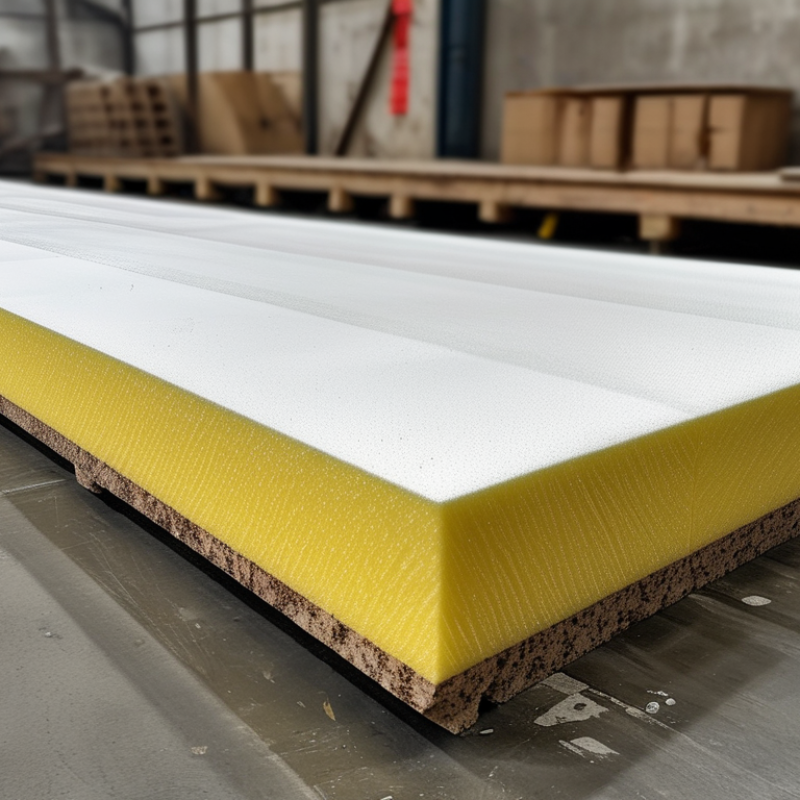
Advantages of Rubber Foam Sheets in Insulation Applications
Rubber foam sheets are increasingly popular in insulation applications for several reasons. Their lightweight nature makes them easy to handle and install. Additionally, these sheets provide excellent thermal insulation, which is crucial for energy efficiency. They help maintain temperature, reducing heating and cooling costs. For instance, in refrigeration units, rubber foam can significantly minimize energy loss.
The moisture resistance of rubber foam sheets also stands out. This quality prevents mold growth, making them ideal for humid environments. Their flexibility allows for easy fitting around pipes and irregular surfaces. However, one should consider the environmental impact of rubber, as not all sources are sustainable. Reflecting on the sourcing of these materials can lead to more eco-friendly choices. Overall, utilizing rubber foam sheets offers both performance advantages and insights into sustainable practices.
Durability and Resistance: How Rubber Foam Sheets Stand the Test of Time
Rubber foam sheets are renowned for their remarkable durability and resistance. These sheets are engineered to withstand extreme conditions over time. According to industry research, rubber foam materials can last up to 20 years with proper care. This longevity makes them a wise choice for various projects, from insulation to cushioning.
The ability of rubber foam to resist water, chemicals, and temperature fluctuations contributes to its enduring strength. Studies show that rubber foam can maintain its properties in temperatures ranging from -40°F to 200°F. This range makes it suitable for both cold and hot environments. Notably, its resilience against physical wear is also significant. The material shows minimal wear under heavy usage, with some tests indicating a loss of less than 5% of its original thickness after extensive compression.
However, it’s important to acknowledge that not all rubber foam sheets are created equal. Quality can vary significantly across suppliers. Choosing the right product often requires careful consideration of specifications and sourcing. Not every sheet will provide the same level of performance or longevity. This variability can create challenges for users looking for consistent results in their projects. Understanding these nuances is key to making informed decisions.
Lightweight Properties of Rubber Foam Sheets for Easy Handling
Rubber foam sheets are increasingly recognized for their lightweight properties, making them ideal for various projects. This material typically has a density ranging from 50 to 200 kg/m³, which significantly reduces the overall weight when compared to traditional materials. Such low density allows for easy manipulation and transport, essential for construction and design applications. In fact, studies show that lighter materials can improve project efficiency by 20%, reducing labor costs and time on site.
Handling rubber foam sheets is straightforward. They can be cut, shaped, and installed with minimal effort. Their flexibility permits easy customization, adapting to different needs. According to a report from the International Journal of Materials Science, incorporating lighter materials can decrease worker strain, thus enhancing productivity. However, it is crucial to consider that while these sheets are lightweight, using them does require careful planning to ensure structural integrity and performance.
Yet, the lightweight nature raises questions about durability. While many rubber foam sheets are designed for resilience, mismatched applications can lead to short lifespan. A balance must be struck between ease of use and the desired longevity of the material in specific projects. Experimentation is key — as users work with rubber foam sheets, they may discover the right thickness or composite that meets their unique requirements, ensuring a reliable outcome.
Top 10 Benefits of Using Rubber Foam Sheets for Your Projects
This chart illustrates the top 10 benefits of using rubber foam sheets in various projects. Each benefit is rated on a scale from 1 to 10 based on its significance. As we can see, shock absorption ranks the highest, showcasing the key advantages of rubber foam sheets in construction, manufacturing, and other industries.
Versatile Uses: Exploring Different Industries Leveraging Rubber Foam Sheets
Rubber foam sheets are gaining popularity across various industries due to their unique properties. In construction, these sheets provide excellent thermal insulation, making buildings more energy-efficient. They are lightweight yet strong, simplifying installation processes. In automotive applications, rubber foam sheets absorb vibrations and noise, enhancing driver comfort.
In the medical industry, these materials offer cushioning and support. They are often used in orthotics and rehabilitation equipment. Their antimicrobial properties make them ideal for sanitary applications. Another noteworthy use is in sports flooring, where rubber foam can reduce injury risk by providing a soft landing surface.
Tips: When selecting rubber foam sheets, consider the density that suits your specific project. Thicker sheets are more durable but can be less flexible. Always test a small piece before committing to a larger order. Remember that not all rubber foam sheets are waterproof, which might impact your project design. Evaluate your needs thoroughly for optimal results.
Top 10 Benefits of Using Rubber Foam Sheet for Your Projects
| Benefit | Description | Industry Applications |
| Lightweight | Easy to handle and transport, reducing labor costs. | Manufacturing, Shipping |
| Shock Absorption | Excellent at absorbing impacts, providing protection. | Construction, Automotive |
| Insulation | Effective thermal and acoustic insulation properties. | HVAC, Appliances |
| Durability | Resistant to wear and tear, ensuring long-term use. | Sports Equipment, Packaging |
| Chemical Resistance | Withstands exposure to various chemicals and oils. | Industrial, Medical |
| Versatility | Can be used in a wide range of applications. | Manufacturing, Arts & Crafts |
| Customizability | Available in various sizes, thicknesses, and colors. | Design, Retail |
| Eco-Friendly Options | Some products are made from recycled materials. | Sustainability Initiatives |
| Cost-Effective | Affordable compared to other cushioning materials. | Shipping, Construction |
| Aesthetic Appeal | Can enhance the appearance of products and areas. | Interior Design, Retail |
Cost-Effectiveness: Why Rubber Foam Sheets are a Budget-Friendly Choice
Rubber foam sheets are increasingly recognized for their cost-effectiveness in various projects. These versatile materials offer a significant advantage by being budget-friendly. According to industry data, rubber foam can reduce project costs by up to 30% compared to traditional materials like wood or metal. This is largely due to lower manufacturing costs and the ease of installation, which minimizes labor expenses.
In addition to their affordability, rubber foam sheets provide durability and performance. They resist wear and tear, which translates to less frequent replacements. A report from the Construction Industry Research Board highlights that using rubber foam materials can extend the lifespan of products by an average of 5 years. This reliability helps avoid the costs associated with frequent maintenance.
Moreover, the lightweight nature of rubber foam sheets makes them easy to transport and handle. This reduces shipping costs and further enhances their appeal for budget-conscious consumers. Companies are prioritizing sustainable choices, which rubber foam ostensibly reflects. Some analysts argue this material can also lower environmental footprints since less energy is required for production. However, there's a need for ongoing evaluation of its long-term performance and environmental impact. Understanding these factors ensures prudent decisions are made when opting for rubber foam in your projects.