Top 10 Benefits of Using Variable Resistors in Electronics?
Variable Resistors play a crucial role in modern electronics. Their versatility allows engineers to fine-tune circuits for various applications. According to a recent market report by Research and Markets, the global variable resistor market is expected to grow at a CAGR of 6.5% from 2021 to 2026. This growth highlights the increasing importance of variable resistors in advanced electronic designs.
Incorporating variable resistors can enhance functionality and control in devices. They allow for adjustable voltage levels and current flow. This capability is essential in everything from audio equipment to complex robotic systems. However, there are challenges in choosing the right variable resistor. Not all resistors are created equal. Understanding their specifications is key to optimizing performance.
The use of variable resistors also comes with potential pitfalls. Poor selection can lead to circuit inefficiencies or failures. Engineers must carefully evaluate their needs against the resistor's capabilities. Despite these concerns, the benefits of variable resistors remain significant. Their ability to adapt and modify electronic signals is vital for innovation in the industry.
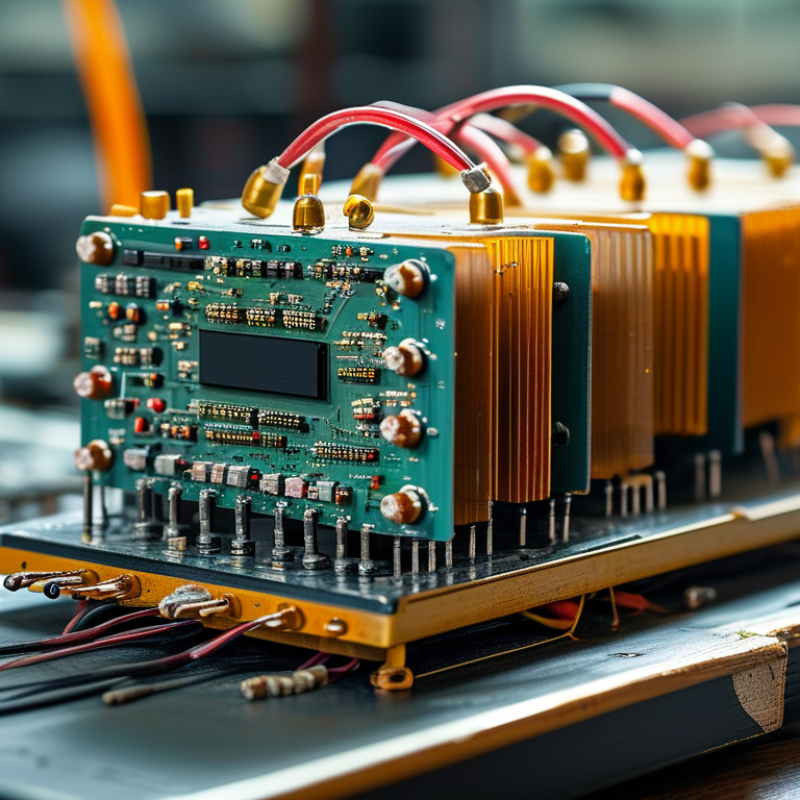
Understanding Variable Resistors: Definition and Types
Variable resistors, commonly known as potentiometers or rheostats, play a crucial role in electronics. They allow users to adjust resistance within a circuit, influencing current flow and voltage levels. Understanding how these components function can significantly enhance your electronics projects.
There are various types of variable resistors. Potentiometers typically have three terminals and let users adjust voltage. Rheostats, on the other hand, usually have two terminals and are often used to control current. Both types can be found in devices from radios to televisions, playing vital roles in sound and brightness adjustments.
Tips: When choosing a variable resistor, consider the application. Select a potentiometer for precise voltage adjustments in audio equipment. For higher current applications, a rheostat is more appropriate.
Another key point is calibrating your resistors. Ensuring accuracy improves overall performance in your devices. Remember that mismatched resistances can lead to erratic circuit behavior.
Use variable resistors wisely. They not only enhance control but also affect efficiency and longevity of circuits. Experiment with different types to find the best fit for your electronic projects.
Key Advantages of Variable Resistors in Electronic Circuits
Variable resistors, also known as potentiometers, play a crucial role in the design of electronic circuits. One key advantage is their ability to adjust voltage levels dynamically. According to a report by ResearchAndMarkets, variable resistors account for nearly 30% of the passive component market in electronics. This adaptability allows engineers to fine-tune circuits for performance optimization.
Another significant benefit is their role in feedback systems. Variable resistors provide real-time adjustments to circuit parameters, enhancing overall stability. In audio applications, for instance, they help control volume levels. A study from TechInsights indicates that precise control can improve sound quality by up to 25%. However, the reliance on variable resistors does pose challenges. Their mechanical wear over time can lead to inaccurate readings and potential failures. This necessitates periodic evaluation and replacement, which can be a downside for long-term projects.
Moreover, variable resistors contribute to user interface design. They allow users to interact with devices through knobs and sliders. This tactile feedback is essential in many consumer electronics. Reports show that user satisfaction increases significantly with more intuitive controls. Nonetheless, incorporating these components can complicate circuit designs, creating potential points of failure. Balancing usability and reliability is an area that requires ongoing reflection among engineers.
Impact on Circuit Performance and Control Precision
Variable resistors play a crucial role in electronics, significantly impacting circuit performance and control precision. These components, often seen in devices like volume knobs and light dimmers, allow users to adjust resistance levels. This adjustability leads to finer control over current flow and voltage levels, which are essential for optimal circuit operation.
The precision offered by variable resistors can enhance user experience and device functionality. For instance, in audio equipment, they enable sound level adjustments that can drastically alter how a user perceives quality. However, achieving a perfect balance can be challenging. Small increments can lead to noticeable changes, causing frustration if not properly calibrated. Circuit designers must understand the relationship between resistance and output to mitigate potential issues.
While variable resistors offer great benefits, they are not without limitations. Over time, such components can wear out, impacting their precision. Users might notice decreased responsiveness in certain situations. Regular maintenance can help, but it requires diligence. Overall, understanding the strengths and weaknesses of variable resistors can lead to improved circuit designs and user satisfaction.
Applications of Variable Resistors in Consumer Electronics
Variable resistors are essential in consumer electronics. They allow users to adjust voltage and current with ease. You find them in devices like volume controls and light dimmers. This adjustment enhances user experience by providing control over various functions.
In audio equipment, variable resistors play a crucial role. They fine-tune sound levels to personal preference. Such adaptability is key in creating customized listening experiences. Similarly, in LED lighting, these resistors adjust brightness effectively. Users can create the right ambiance with a simple turn of a knob.
However, the effectiveness of a variable resistor can depend on factors like wear and tear. Over time, they may lose responsiveness. Users could experience inconsistent adjustments. Regular maintenance is essential for optimal performance. This highlights the importance of quality design in these components.
Future Trends and Innovations in Variable Resistor Technology
Innovation in variable resistor technology is rapidly evolving. Emerging trends focus on enhancing precision and efficiency in electronic devices. Researchers are exploring digital variable resistors that offer finer control. These components can adjust resistance with higher accuracy than traditional options. This evolution makes devices smarter and more responsive.
Another promising area is the integration of variable resistors with IoT. This opens avenues for remote control and automation in home appliances. Users can fine-tune settings through apps, enhancing user experience. However, this integration also raises concerns about security. As devices connect online, they may become vulnerable to cyber threats.
Sustainable materials are becoming a key consideration. Manufacturers are looking at eco-friendly alternatives for making resistors. This shift may lead to reduced environmental impact. Although progress is notable, challenges remain in balancing performance and sustainability. Users need to be aware of these evolving trends to make informed choices in electronics.