Best Automated Storage Systems for Efficient Inventory Management?
In today's fast-paced supply chain landscape, an Automated Storage System can transform inventory management. Data from the Warehousing Education and Research Council shows that companies can reduce storage costs by up to 30% through automation. Efficient space utilization is essential. A well-designed automated system maximizes storage density while minimizing retrieval times.
Technology advancements have made automated systems more accessible. According to a report by the McKinsey Global Institute, companies that incorporate automation improve fulfillment speeds by 25% or more. However, costs and integration challenges remain concerns. Businesses often overlook the need for customized solutions, leading to inefficiencies. It’s crucial to analyze specific needs before implementing these systems.
Market trends show a significant shift towards automation, yet many firms still resist change. The reluctance to invest in new technologies can hinder growth. As businesses evolve, understanding the balance between automation and human oversight will be vital. Embracing these systems can lead to improved accuracy and customer satisfaction, reshaping the future of inventory management.
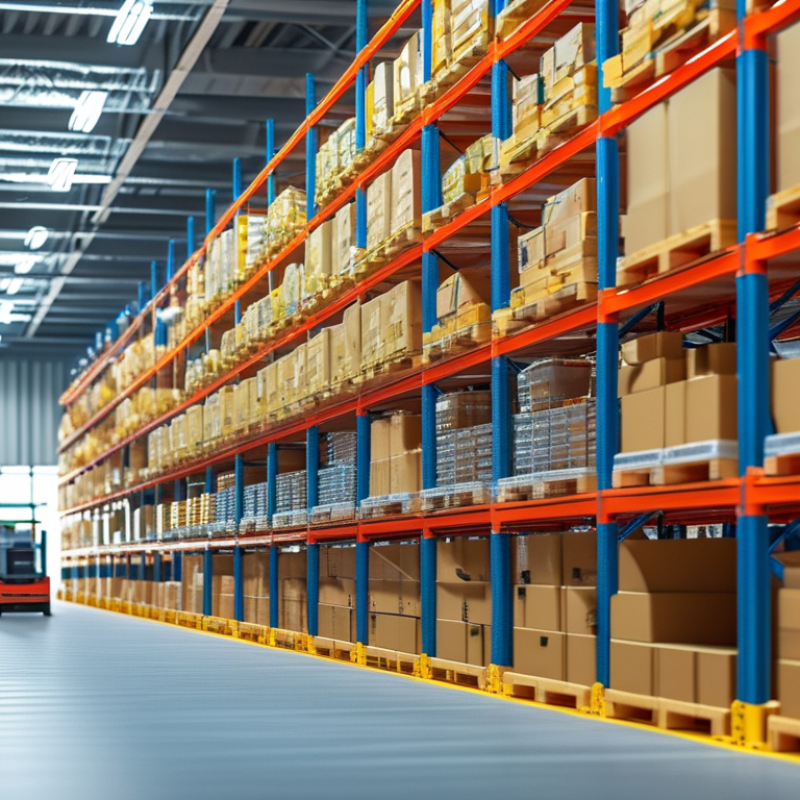
Overview of Automated Storage Systems
Automated storage systems are transforming inventory management. These systems streamline the storage and retrieval of items, enhancing efficiency. They use technology like robotics and software to organize inventory. This can significantly reduce human error and speed up processes.
One of the key features of these systems is their adaptability. They can adjust to various inventory sizes and types. However, implementing such systems requires careful planning and analysis. Not all warehouses may benefit equally. The initial costs can be high, and training staff can be challenging.
The accuracy of automated systems also varies. Sometimes, they may misidentify products. Ongoing maintenance is crucial for optimal performance. Decision-makers should weigh the benefits and drawbacks thoughtfully. Regular feedback from staff can improve system effectiveness. Ultimately, a well-planned implementation may lead to greater operational success.
Types of Automated Storage Solutions
Automated storage systems are revolutionizing inventory management in various industries. Several types of automated storage solutions exist, each tailored to specific needs. For instance, vertical carousels use rotating trays to maximize vertical space. This design minimizes the footprint while providing quick access to stored items. A warehouse can significantly benefit from this efficient use of space and time.
Another option is the shuttle system, which operates like a supermarket aisle. It employs shuttles to transport goods to and from storage locations. This approach reduces human error and speeds up the picking process. In environments with high turnover, shuttles ensure that inventory levels are easily maintained, but they may require frequent adjustments and maintenance.
A fully automated warehouse system incorporates robotic picking mechanisms. Robots can navigate complex layouts and handle various products, freeing up human workers for more intricate tasks. However, the implementation of such systems can be costly and demands a skilled workforce for upkeep. Often, organizations grapple with the balance between investment and efficiency. Automated storage systems hold great promise but require thoughtful integration into existing processes.
Key Features for Efficient Inventory Management
Efficient inventory management is increasingly reliant on automated storage systems. These systems optimize space and reduce labor costs. A study from the Warehousing Education and Research Council (WERC) indicates that companies can see a 20% increase in picking efficiency with automation. This improvement is essential in meeting customer demands and minimizing errors.
Key features drive the effectiveness of these systems. Real-time inventory tracking is critical. It allows for accurate stock levels, reducing both excess inventory and stockouts. Additionally, modular design enhances flexibility. Companies can scale their systems based on changing needs. A report from the Material Handling Industry (MHI) notes that 75% of companies using automated systems report enhanced operational flexibility.
However, the transition to automation is not without challenges. Initial setup costs can be high. Additionally, staff may require training to fully utilize these systems. As highlighted by industry experts, companies must evaluate these obstacles carefully. Continuous monitoring of the system is necessary to avoid issues like bottlenecks or underutilization. These elements reflect the ongoing need for improvement and adaptability in the pursuit of efficient inventory management.
Best Automated Storage Systems for Efficient Inventory Management
This chart illustrates the efficiency of different automated storage systems in managing inventory. The data presented reflects the average response time (in seconds) for inventory retrieval across various systems, showcasing their effectiveness in handling inventory operations.
Benefits of Implementing Automated Storage Systems
Automated storage systems have revolutionized inventory management across various industries. According to a recent report by the Warehousing Education and Research Council, implementing these systems can enhance inventory accuracy by up to 99.9%. This remarkable precision is crucial for businesses seeking to minimize errors and improve customer satisfaction.
These systems streamline operations through advanced technology. They often use robotics and artificial intelligence to sort, retrieve, and store items efficiently. In fact, the logistics industry estimates that businesses can reduce labor costs by 30% when they transition to automated solutions. However, this implementation is not without challenges. Companies must invest in training staff to manage these technologies effectively, which can initially slow down the transition process.
Furthermore, automated systems offer scalability, meeting the evolving demands of businesses. They can adapt to increased inventory levels without significant additional costs. Nonetheless, organizations must consider upfront investment and maintenance costs. Some companies find these expenses daunting, leading to hesitance in making the leap. Balancing immediate costs with long-term savings requires careful evaluation and strategic planning.
Best Automated Storage Systems for Efficient Inventory Management
| System Type | Storage Capacity (Units) | Speed of Operation (Items/Hour) | Integration Features | Estimated Cost ($) |
| Vertical Lift Module | 2,000 | 500 | ERP, WMS Integration | 35,000 |
| Automated Guided Vehicles | 1,500 | 800 | RFID, Cloud-based Management | 50,000 |
| Shuttle Systems | 3,500 | 600 | AS/RS, Inventory Management Software | 70,000 |
| Robotic Pick Systems | 1,000 | 1,200 | AI Integration, Real-time Analytics | 90,000 |
| Mini Load Systems | 1,800 | 350 | WMS, Barcode Scanners | 25,000 |
Factors to Consider When Choosing a System
When selecting an automated storage system, efficiency is key. Consider the size of your facility. A compact space may require a vertical lift system. On the other hand, larger facilities might benefit from automated shuttles. The layout affects how easily inventory moves. Poor design can lead to bottlenecks.
Next, assess your inventory types. Certain systems handle pallets well, while others excel with smaller items. Analyzing turnover rates is crucial. Fast-moving items may need dedicated storage solutions. Look for systems that adapt to your changing inventory needs. Flexibility can save time and costs.
Also, factor in technology integration. Choose a system that easily connects to your existing management software. This ensures real-time tracking. Your team should be trained adequately on the new system. Striking a balance between automation and human oversight is important. Over-reliance on automation can lead to missed errors. Aim for a system that enhances human capabilities, rather than replacing them completely.