
Blog

What Is the Best Carbon Fiber Card in 2026?

Choosing the best Carbon Fiber Card in 2026 is about more than choosing a striking black weave. The material, construction, and everyday performance all matter. Some cards use carbon fiber as a visible layer, while others may rely on different materials beneath the surface. That distinction is worth checking. A premium appearance alone does not prove durability, comfort, or reliable payment features.

This guide compares the details that can make a card genuinely practical: thickness in a crowded wallet, smooth or sharp edges, surface wear, and compatibility with the payment functions you need. It also considers clear product specifications, warranty terms, and current manufacturer information rather than relying on dramatic marketing claims. Small details count. A card that looks sleek on a desk may feel awkward when carried every day. The “best” choice will also depend on personal priorities, such as minimalist design, verified material details, or a balance between style and convenience. No single option suits everyone, and product information can leave important questions unanswered. We will point out those limits instead of treating every claim as settled. By examining the evidence and real-world trade-offs, readers can decide which Carbon Fiber Card deserves consideration in 2026—and which features may matter less than they first appear.
What Is the Best Carbon Fiber Card in 2026?

What Is a Carbon Fiber Card?

What Is a Carbon Fiber Card?

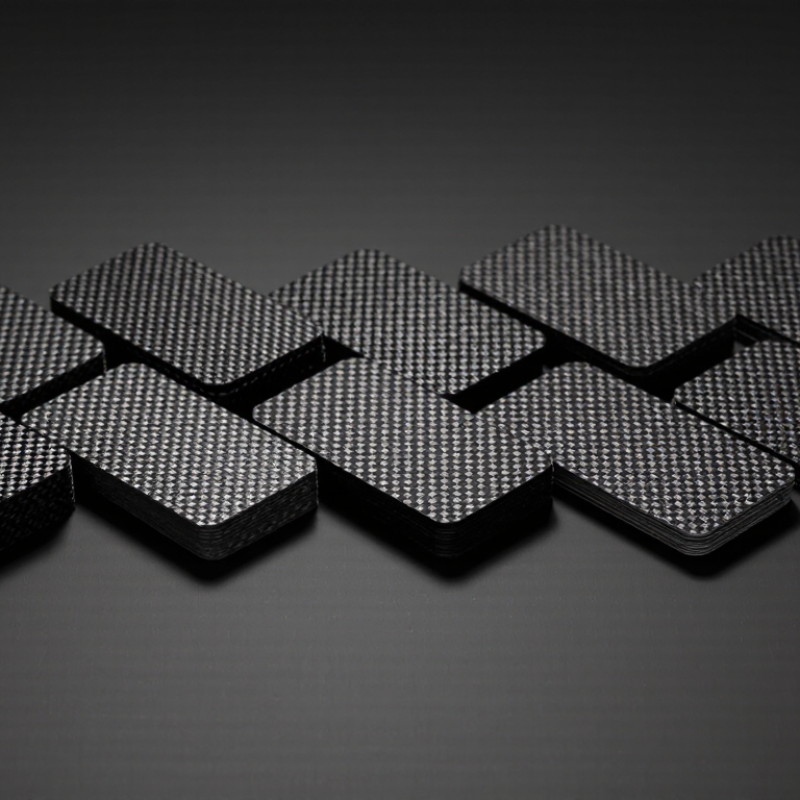
A carbon fiber card is a payment or identification card built with carbon-fiber material in its body or outer layer. Carbon fiber consists of thin strands held together in a resin matrix. The strands form a pattern and are compressed into a light, stiff sheet. Under a desk lamp, the weave may show a subtle checkerboard sheen. It feels firm, not like soft plastic. Some cards use only a thin carbon-fiber facing over another material, so the whole card may not be carbon fiber. That distinction matters.

A card still needs functional components, such as a chip, contactless antenna, or magnetic stripe, depending on its design. Those components—not the dramatic surface—determine how it works with readers. Carbon fiber can resist bending, but it is not indestructible; edges, coatings, and bonded layers may wear with repeated use. Conductive layers can also affect radio signals if the antenna is poorly positioned. Construction matters. Check the card’s stated materials, dimensions, and reader compatibility. A striking surface is easy to notice. The hidden build is harder to judge, and product descriptions do not always make it clear.

How Are Carbon Fiber Cards Made?

A carbon fiber card begins long before it resembles a card. Manufacturers draw carbon-rich precursor filaments into bundles, stabilize them in air, then heat them without oxygen. A National Renewable Energy Laboratory manufacturing assessment describes carbonization temperatures of roughly 1,000–1,500°C. That heat matters. It converts the precursor into strong, lightweight fibers, but also demands carefully controlled processing.

The fibers are woven or arranged in sheets, then combined with resin to form a laminate. For a card, thin layers are cut, stacked, and cured under heat and pressure; some designs bond the carbon-fiber face to another core. The cured panel is trimmed, finished, and checked for flatness, edge quality, and consistent thickness. Small flaws can show up as rough corners or visible layer separation. Looks can deceive.

When comparing cards in 2026, ask what the carbon fiber actually does. Is it structural, or mainly a decorative outer layer? A crisp weave alone cannot answer that. Resin type, layer orientation, bonding, and finishing all affect durability. Production methods also differ, so NREL’s process data explains fiber-making—not the performance of every finished card. I would inspect the edges closely; that simple check is useful, though it cannot reveal the full laminate quality.

What Is the Best Carbon Fiber Card in 2026? How Are Carbon Fiber Cards Made?

How to read this: ISO/IEC 7810 ID-1 cards are nominally 85.60 × 53.98 mm, with a thickness of 0.76 ± 0.08 mm (excluding raised characters). Carbon-fiber cards are typically made by layering and laminating a carbon-fiber composite with other card components; the exact construction varies. A suitable card needs to meet the required dimensions and work with its intended reader—the thickness standard alone does not determine which card is best.

Which Features Matter Most in a Carbon Fiber Card?

When comparing carbon fiber cards, look beyond the woven pattern. Some cards use a carbon-fiber layer; others use a printed finish, so appearance alone does not prove strength. Check the issuer’s specifications for the card’s material, thickness, and supported payment methods. A card should feel rigid without catching at the edges or making contactless payments unreliable. Small details matter.

Tips: Ask how the surface handles daily friction. A card rubbing against keys in a crowded wallet may show wear sooner than expected. Also check whether the chip and contactless features work with your usual payment terminals.

Security and usability deserve more attention than a dramatic finish. Confirm that the card supports the payment features you need, and review any replacement or warranty terms before ordering. If you use an ATM, check whether the card’s dimensions and construction are compatible. I would not obsess over the weave; it can distract from practical checks. That detail can mislead. A well-made card should have clean edges, a firmly attached surface, and clear instructions for care. If those details are missing, pause and ask the issuer for specific answers. A polished look is nice, but it cannot tell you how the card performs after months in a wallet.

How Do Carbon Fiber Cards Compare in 2026?

A carbon-fiber card can look striking, but the material alone does not make it the best choice. In 2026, compare the complete card: its construction, everyday comfort, payment features, and fees. Some cards use carbon fiber as a surface layer rather than throughout the body, so check the issuer’s specifications. A premium feel is not the same as better performance.

Look closely at thickness, weight, and edge finish; these affect how the card fits in a wallet and feels in your hand. Check whether chip and contactless payments are supported, and review replacement terms and account costs. Card performance can depend on its construction and payment terminal, so avoid assuming every carbon-fiber card works identically. I would not choose by appearance alone. Honestly, material descriptions can be vague, and that makes direct comparison harder.

Tips: Check published dimensions and fees before applying. If possible, handle the card or ask about its finish. A sleek surface may show scratches, and a rigid card may feel less comfortable in a tight wallet.

What Is the Best Carbon Fiber Card in 2026? — How Do Carbon Fiber Cards Compare in 2026?
Card construction What it is made of Contactless-use considerations Durability and care Best suited for What to verify before buying
Full carbon-fiber composite Layers of carbon fibers held together with a resin matrix. The exact fiber layup, resin, and surface finish vary by construction. Carbon fiber is electrically conductive and can affect radio-frequency signals. Contactless performance depends on the antenna design and its placement within the card. Composite construction can be stiff, but edges, surface coatings, and the resin matrix may still be damaged by impact, bending, or heat. Buyers who prioritize a visible carbon-fiber finish and a rigid composite feel. Confirm whether the card supports contactless use, what functions are included, and whether the manufacturer provides a clear warranty.
Carbon-fiber face with a polymer core A carbon-fiber layer or facing bonded to a plastic core. The carbon fiber may be a thin decorative or structural layer rather than the entire card body. Ask whether the antenna and any contactless components have been tested in the finished card; appearance alone does not confirm compatibility. The core can provide a different balance of flexibility and rigidity than a fully composite body. Bonding and edge finish are important quality factors. Buyers seeking a carbon-fiber exterior with a less complex layered construction. Check which surfaces are genuine carbon-fiber composite and whether the card meets the required card dimensions.
Carbon-fiber-patterned polymer A polymer card printed or finished with a carbon-fiber-style pattern; the pattern does not mean the card contains carbon-fiber material. Contactless function depends on the card’s electronic components and layout, not on the printed pattern. Care and wear depend on the polymer and print or coating. A printed pattern may show surface wear over time. Buyers who want the look of carbon fiber without requiring a carbon-fiber composite body. Look for an explicit materials description rather than relying on product images or phrases such as “carbon style.”
Carbon-fiber and metal hybrid A combination of carbon-fiber composite and metal parts or layers. The amount and location of each material differ by design. Metal and conductive carbon fiber can affect radio-frequency performance. A contactless antenna needs to be designed and positioned for the specific construction. Overall rigidity and weight depend on the metal type, thickness, and composite layout. Inspect edges and bonded areas for the intended use. Buyers who prefer a mixed-material appearance or construction. Ask for the material breakdown, finished-card thickness, contactless test information, and care instructions.
Size benchmark: The ISO/IEC 7810 ID-1 card format measures 85.60 × 53.98 mm, with a nominal thickness of 0.76 mm. Confirm the finished card’s dimensions and compatibility for its intended use. There is no single best construction for every buyer: material authenticity, contactless performance, durability, and intended function should all be checked against the specific card’s published specifications.

Who Is a Carbon Fiber Card Best Suited For?

A carbon fiber card may suit people who want a lightweight, distinctive card and pay attention to how everyday items feel. It can appeal to frequent travelers, minimalists, or anyone who prefers a textured finish over a conventional plastic look. The pattern is often noticeable under bright light, while the card itself may feel different in a wallet. But appearance alone does not make it a better payment card.

Tips: Check the card’s fees, network, and issuer terms before choosing. Confirm that it works with your usual wallet or payment terminals. If you often tap to pay, look for clear information about contactless support.

It may be less suitable for someone who mainly wants the lowest-cost option or expects carbon fiber to improve security or performance. Card materials and features vary, so verify details with the issuer rather than relying on photos or broad claims. One honest drawback: a striking finish can show scratches or wear, and personal taste can change. I’d compare the practical terms first, then decide whether the material is worth paying extra for.

By continuing to use the site, you agree to the use of cookies. more information

The cookie settings on this website are set to "allow cookies" to give you the best browsing experience possible. If you continue to use this website without changing your cookie settings or you click "Accept" below then you are consenting to this.

Close