Best Commercial Hood Light Options for Your Business Needs?
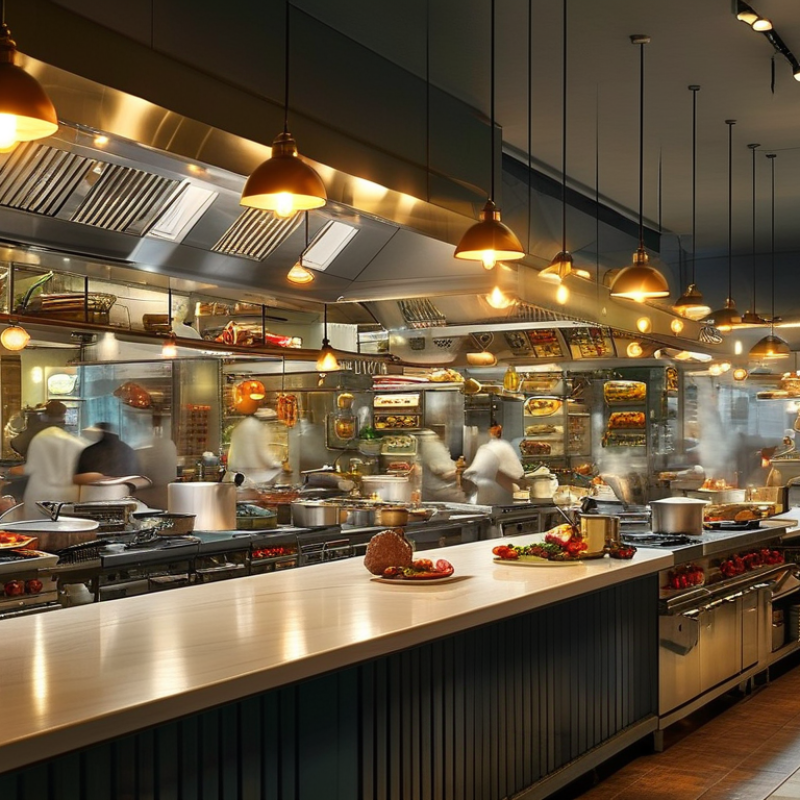
In the fast-paced world of commercial kitchens, lighting plays a vital role. A well-lit workspace enhances safety, improves efficiency, and promotes a productive atmosphere. Choosing the right Commercial Hood Light is essential for maintaining visibility during busy hours. It can significantly affect the performance of kitchen staff and the quality of service provided to customers.
Many options are available when it comes to Commercial Hood Lights. Some lights are fluorescent, while others are LED. Each type has its own advantages and drawbacks. Understanding these choices is key to making the best decision for your business. Factors such as energy efficiency, brightness, and design will influence your choice. Still, there are moments when even the best options may fall short. It’s important to assess whether your selected lights effectively illuminate all critical areas.
Investing in high-quality Commercial Hood Lights reflects your commitment to excellence. However, it’s also crucial to remain aware of potential shortcomings. Regular maintenance and updates may be necessary to ensure optimal performance. Evaluating your lighting needs can lead to a brighter, more inviting kitchen environment. This focus not only enhances operations but also elevates the customer experience.
Key Factors to Consider When Selecting Commercial Hood Lights
Choosing the right commercial hood light is crucial for any business. Proper lighting enhances the workspace and ensures safety. Consider brightness. The intensity can impact visibility. Too dim lights create shadows, making tasks harder. On the other hand, overly bright options can cause glare. Aim for a balance that fits your kitchen area.
Another important factor is the type of light. LED options are energy-efficient. They last longer and reduce maintenance costs. However, some may find them too cold. Fluorescent lights can be a warmer alternative, but they might flicker. Assess the ambiance you want to create and how it aligns with your operations.
Installation process matters, too. Ensure that the lights are easy to install and maintain. Hard-to-reach fixtures can become a hassle during cleaning or replacing bulbs. Take time to evaluate the design. Improperly designed lights might not fit with your hood system. Planning ahead can save headaches later.
Types of Commercial Hood Lights and Their Applications
When selecting commercial hood lights, understanding their types and applications is essential. These lights serve various needs in kitchen environments. Common types include LED, fluorescent, and halogen lights. Each type offers unique benefits. For instance, LED lights are energy-efficient and have a long lifespan, reducing maintenance costs. Fluorescent lights provide reliable illumination but may require more frequent replacements. Halogen lights deliver bright, focused light, enhancing visibility but consume more energy.
Knowing the application of these lights is vital for your business. In high-temperature areas, heat-resistant options are necessary. A report by the National Restaurant Association indicates that proper lighting improves kitchen efficiency and safety. Poor lighting can lead to accidents and reduce productivity. Achieving the right light intensity is critical. The recommended brightness for commercial kitchens ranges from 100 to 150 foot-candles. Brightness affects not only safety but also the quality of food preparation.
Many establishments overlook the importance of compatibility with hood systems. Inadequate lighting can create shadows, hindering staff visibility. Regular assessments can help identify lighting issues. Businesses should consider their specific needs when choosing lights. Every kitchen is different, and no one-size-fits-all solution exists.
Energy Efficiency and Cost-Effectiveness of Hood Lighting Options
When it comes to hood lighting options in commercial settings, energy efficiency and cost-effectiveness are critical considerations. According to a report by the U.S. Department of Energy, LED hood lights can reduce energy consumption by up to 75% compared to traditional incandescent lights. This represents significant savings, particularly for businesses operating in energy-intensive environments like restaurants or kitchens. In addition, the initial investment in LED technology is often recouped within two years via lower energy bills.
Cost-effectiveness also involves extended lifespan. LED lights typically last 25,000 to 50,000 hours, far exceeding the average 1,000 hours of incandescent bulbs. This longevity means fewer replacements, leading to reduced maintenance costs and less waste. However, it's vital to consider the quality of light, as poor lighting can impede workflow and affect safety standards.
Tip: Regularly assess your lighting needs based on the cooking processes in your business. Adequate lighting can enhance visibility and boost employee productivity.
Choosing the right hood lighting may require an upfront investment. A careful analysis of your specific needs and circumstances is essential. Not all LED products are created equal; sourcing quality fixtures can significantly influence long-term savings. Energy-efficient options may initially seem more expensive, but they often offer greater returns on investment over time.
Installation and Maintenance Tips for Commercial Hood Lights
When installing commercial hood lights, an effective plan is essential. Start by measuring the dimensions of your hood to select the appropriate size for the lights. Ensuring even light distribution can significantly enhance visibility, which is crucial for safety.
Tips: Always position lights at an adequate height. This prevents glare while maximizing illumination. Regularly inspect the fixtures for any signs of wear. A simple cleaning schedule can prolong the life of your lights.
Maintenance is key to ensuring your commercial hood lights function optimally. Use a damp cloth to wipe away grease and dust. This keeps the light output strong and clear. Consider replacing bulbs at the first sign of flickering to avoid unplanned downtimes.
Tips: Document the maintenance schedule to track patterns. Identifying frequent issues can reveal underlying problems. Address these before they escalate. Regularly test the electrical connections to ensure safety and efficiency.
Best Commercial Hood Light Options for Your Business Needs
| Light Type | Lumens Output | Energy Efficiency | Installation Type | Maintenance Frequency |
| LED Panel Light | 3000 Lumens | High (80-90%) | Surface Mounted | Annually |
| Fluorescent Tube Light | 2500 Lumens | Moderate (30-50%) | Hanging | Bi-Annually |
| Incandescent Bulb | 1000 Lumens | Low (10-20%) | Socket Mounted | Quarterly |
| Metal Halide | 3500 Lumens | Moderate (40-60%) | Hardwired | Annually |
| High-Intensity Discharge (HID) | 4500 Lumens | High (70-80%) | Ceiling Mounted | Every 2 Years |
Industry Standards and Regulations for Commercial Kitchen Lighting
In commercial kitchens, proper lighting is vital for safety and efficiency. Industry standards recommend maintaining a minimum of 50 foot-candles in food preparation areas. Insufficient lighting can lead to accidents and mistakes. According to the American National Standards Institute (ANSI), bright and uniform lighting can enhance a chef's ability to detect food quality and ensure hygiene.
When selecting hood lights, compliance with local health codes is essential. Many regulations require lights to be easily cleanable and sealed to prevent moisture ingress. This minimizes the risk of bacterial growth. Reports from the National Fire Protection Association (NFPA) highlight that poor lighting can contribute to fire hazards if exhaust systems are not visible.
**Tips:** Choose LED lights—they have a longer lifespan and are energy efficient. Regularly inspect your hood lights for any signs of wear or damage. Make adjustments based on kitchen layout and tasks to ensure all areas are adequately lit. This helps create a safe and productive cooking environment.
Best Commercial Hood Light Options for Your Business Needs