
Blog

10 Best Female Dog Nappies for Comfort and Leak Protection?

Choosing the right Female Dog Nappies involves more than comparing cute patterns or attractive prices. Comfort, absorbency, fit, hygiene, and your dog’s daily routine all matter. A suitable nappy should sit securely around the waist without pressing against the skin. It should also protect furniture, bedding, and carpets from unwanted leaks.

Veterinarian Dr. Jennifer Coates, DVM, offers a useful reminder: “Dog diapers can be helpful, but they must be changed frequently to prevent skin irritation and infection.” That advice shapes this guide. Even the most absorbent design cannot replace regular changes, gentle cleaning, or veterinary attention when leaking begins suddenly. Watch for redness around the tail, damp fur, rubbing, or unusual discomfort. Small details matter.

No product is perfect.

Some nappies perform well overnight but feel bulky during walks. Others look comfortable yet shift when a dog moves, curls, or climbs stairs. This review compares ten Female Dog Nappies for different needs, including heat cycles, urinary incontinence, travel, washable use, and overnight protection. Each option will be considered for sizing accuracy, fastening strength, moisture control, breathability, and ease of cleaning. We will also point out practical weaknesses, because honest recommendations should include them. A nappy that works beautifully for one female dog may fail completely for another. Measure carefully, begin with short supervised periods, and reassess the fit after movement.
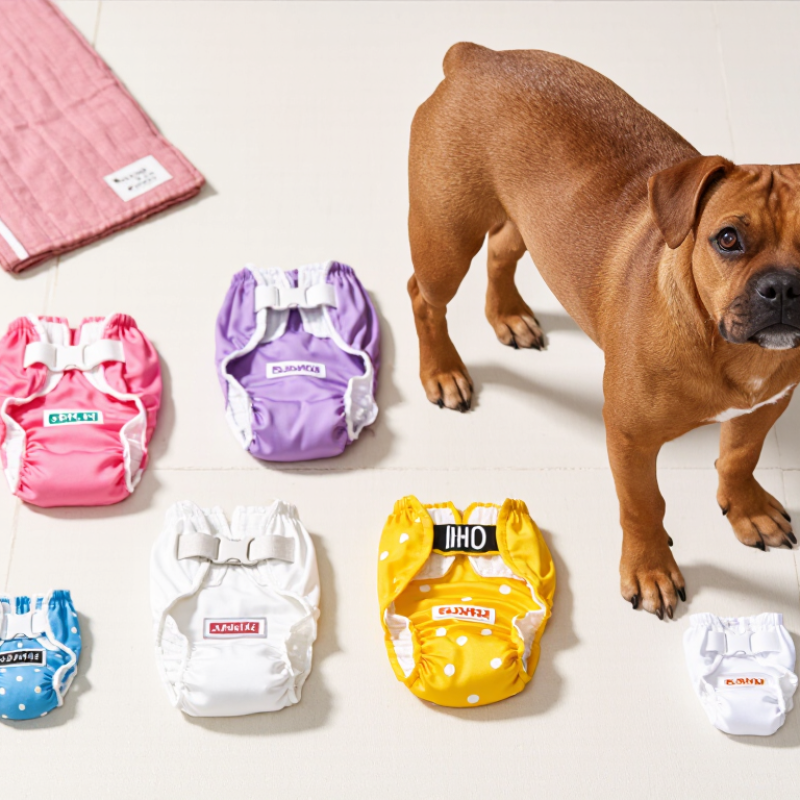
10 Best Female Dog Nappies for Comfort and Leak Protection?

Understanding When Female Dogs Need Nappies

Female dog nappies can help during heat, urinary leakage, or recovery after birth. They catch discharge and protect bedding, but they do not treat the cause.

A dog suddenly wetting herself may have a urinary infection, bladder weakness, diabetes, or another condition. Arrange a veterinary examination, especially with thirst, straining, blood, pain, or strong-smelling urine.

During heat, nappies can reduce household mess, yet they cannot prevent mating. Keep her separated from intact male dogs.

Some dogs also need temporary protection after surgery, but follow the clinic’s instructions.

Tips: Measure her waist while standing, then check the nappy beneath her tail. It should stay secure without pressing the skin. Change it whenever damp, often every few hours. Clean the vulva gently and dry the coat completely. A short uncovered period helps the skin breathe.

Watch for redness, rubbing, odour, or repeated licking. Stop using the nappy and seek veterinary advice if these appear. Absorbent pads may help, though bulky layers can shift and leak.

Comfort matters more than appearance. Let her walk, sit, and sleep before leaving the nappy on. Supervise early use, because some dogs chew fasteners or become anxious. Leak protection is useful, not perfect. I would not rely on a nappy overnight without checking her. A washable cover may be practical, but hygiene still decides success.

Key Features of a Comfortable and Leak-Proof Dog Nappy

Comfort and Leak Protection: Choosing the Best Female Dog Nappy

A comfortable female dog nappy should fit snugly without pressing into the waist or legs. In my experience, adjustable fasteners make fitting easier after meals, exercise, or grooming. The nappy should cover the vulva fully, while leaving the tail free and natural. A soft inner lining helps reduce rubbing, especially for dogs with sensitive skin. Breathable fabric also matters because trapped moisture can cause discomfort and irritation. The absorbent core should hold urine securely, while a waterproof outer layer protects bedding and flooring. No nappy is perfect. Fit and changing habits matter just as much.

Tips: Measure your dog’s waist while she is standing calmly. Check the fit with two fingers under the waistband. Replace the nappy when it feels heavy or damp. Keep the skin clean and dry. Short trial periods help reveal rubbing or slipping before overnight use.

Look for secure leg openings, but avoid tight elastic that leaves marks. A wide, flexible tail opening can prevent shifting during walks. Dogs may need time to accept the sensation, so introduce the nappy gradually with praise and supervision. I once assumed a tighter fit would prevent leaks, but it caused chafing instead. That mistake showed me why comfort checks should happen often. For dogs with frequent leakage, unusual discharge, or sore skin, professional veterinary advice is appropriate. A nappy supports hygiene, but it does not replace regular cleaning or medical care.

How to Choose the Right Size and Fit for Your Dog

Choosing the right size matters more than choosing the prettiest design. Measure your dog while she stands naturally. Wrap a soft tape around her waist, just in front of the hind legs. Keep the tape snug, not tight. You should fit two fingers underneath.

Weight charts can help, but they are not perfectly reliable. Body shape varies widely between dogs. A slim terrier and a broad-chested spaniel may share the same weight. I once trusted weight alone and chose a nappy that shifted during walking. That mistake taught me to compare waist measurements with the product’s sizing guide.

Check the tail opening carefully. It should allow comfortable movement without leaving a large gap. Adjustable fasteners should sit flat and avoid rubbing the skin. The absorbent area must cover the vulva without pressing against it. Watch her walk, sit, and lie down after fitting. Slipping, repeated licking, red skin, or damp fur suggests a poor fit. Change the nappy regularly, especially during heavy flow or urinary leakage. Clean and dry the skin gently before replacing it. Veterinary advice is sensible when leakage continues, because nappies manage mess but do not treat medical causes. No fit is perfect at first. Recheck the measurement after weight changes, grooming, or recovery from illness.

10 Best Female Dog Nappies for Comfort and Leak Protection

How to Choose the Right Size and Fit

Measure your dog’s waist around the abdomen immediately in front of the hind legs. Use the measurement range as a starting point, then check the product’s own size guide. A properly fitted nappy should cover the vulva, stay secure without restricting movement, and allow approximately two fingers of comfortable space under the waistband.

These non-brand reference bands are intended for initial size selection only. Dogs with long coats, deep chests, unusual body shapes, or measurements between sizes may need an adjustable design or a different size for a better leak-resistant fit.

Comparing the 10 Best Female Dog Nappies by Use and Design

Choosing among the 10 best female dog nappies depends on use, body shape, and washing habits. For heat cycles, a lightweight washable nappy feels less bulky during supervised indoor wear. For urinary incontinence, disposable designs often provide faster changes and clearer moisture control. The American Pet Products Association’s 2023–2024 National Pet Owners Survey reports that 66% of U.S. households own a pet, showing why practical hygiene products matter in everyday homes.

Fit matters more than appearance. Measure the waist just ahead of the hind legs, then check the leg openings for rubbing. Adjustable fastening suits dogs whose weight changes, while high-rise designs can reduce back leakage during sleep. A soft inner layer helps, but thick padding may trap heat. Veterinary guidance from VCA Hospitals recommends frequent changes and regular skin checks, especially when nappies manage incontinence. Four to six hours can be too long for some dogs.

For active dogs, compare the 10 designs by movement: flexible fabric, secure tail openings, and non-slip fasteners usually perform better. For overnight use, inspect absorbency and side barriers, not just the stated capacity. A washable option may reduce household waste, while a disposable option saves time during travel. The U.S. Environmental Protection Agency identifies reducing and reusing as key waste-management practices, though laundering still consumes water and energy. My practical mistake was trusting absorbency claims without testing the fit. Even a highly rated nappy can leak after a restless turn. Dogs vary considerably.

Safe Usage, Cleaning, and Replacement Guidelines

Choosing among the 10 best female dog nappies means checking safety, not only absorbency. The nappy should fit snugly without pressing the abdomen. You should slide two fingers beneath the waistband. A tail opening must stay clear. Too loose, and leaks escape. Too tight, and rubbing may begin quickly. Female dogs in heat may need nappies for discharge, but nappies do not prevent mating or pregnancy.

Inspect the nappy every two to four hours. Change it immediately after bowel movements or heavy wetting. Damp fabric against the skin can cause redness, sores, or unpleasant odor. Give your dog short, supervised breaks without the nappy. Keep the coat and skin clean and completely dry. If you notice swelling, persistent licking, blood, or painful urination, contact a veterinarian. A washable liner may seem economical, yet it still needs frequent changes.

Wash reusable nappies with mild, fragrance-free detergent. Avoid fabric softener because residue can irritate sensitive skin. Rinse thoroughly, then air-dry them fully before use. Check seams, fasteners, and elastic after every wash. Replace the nappy when the elastic stays stretched, the absorbent layer feels stiff, or odor remains after cleaning. Disposable nappies also need replacement when wet, even if the outside looks dry. I would not leave one on overnight without veterinary guidance. Small oversights happen, especially during busy days, so setting a timer can prevent them.

By continuing to use the site, you agree to the use of cookies. more information

The cookie settings on this website are set to "allow cookies" to give you the best browsing experience possible. If you continue to use this website without changing your cookie settings or you click "Accept" below then you are consenting to this.

Close