China Best Horizontal Drilling Rigs for Sale
Choosing China Best Horizontal Drilling Rigs for Sale starts with the jobsite, not the brochure. Horizontal Drilling Rigs vary in power, size, and control systems, so the right model depends on the ground and the planned bore. A compact rig may suit a crowded urban site, while longer crossings can demand greater thrust, torque, and rod capacity. Soil matters. Clay, gravel, and mixed ground place different demands on cutting tools and drilling fluid.
This guide outlines practical points buyers can compare, including rated pullback force, rotation torque, drilling length, mud-pump capacity, and transport dimensions. Look closely at how controls are arranged, how quickly routine service can be completed, and whether wear parts are readily available. Ask suppliers for clear specifications, operating manuals, warranty terms, and examples of comparable installations. Details count. A machine that looks strong on paper may not match a narrow access road or a crew’s experience.
Price is only one part of ownership. Consider fuel use, maintenance intervals, operator training, and local after-sales support before making a shortlist. Request a demonstration or a recorded test under relevant conditions when possible. No single rig fits every site. Even careful comparisons leave questions; actual ground conditions can change the plan, sometimes quickly. Buyers should confirm technical claims directly with the manufacturer and assess each model against the project’s measured requirements, rather than relying on broad sales descriptions.
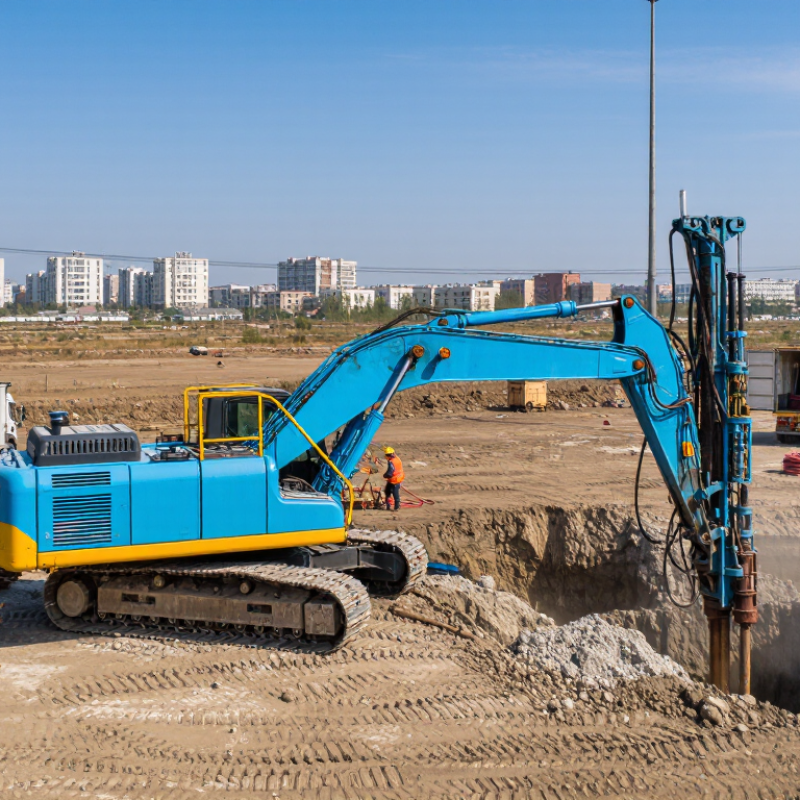
China Best Horizontal Drilling Rigs for Sale: Types and Applications
Horizontal directional drilling rigs vary in size and pulling capacity. Compact rigs are suited to short utility bores beneath sidewalks, driveways, and landscaped areas. Their smaller footprint helps where access is limited. Space can be tight. Mid-size rigs handle longer routes for water, power, and communications lines beneath roads or parking lots. Large rigs are designed for demanding crossings, such as wider transport corridors or waterways, where longer bores and greater pullback capacity may be needed.
Applications depend on more than rig size. Operators consider bore length, pipe diameter, soil type, groundwater, and the room available for entry and exit pits. In clay, a rig may work differently than it does in gravel or fractured rock; tooling and drilling fluid plans must suit the ground. Ground conditions matter. A capacity chart is useful, but it can make a difficult site look simpler than it is.
For a purchase decision, compare thrust, pullback force, torque, rod handling, and transport requirements against the projects the rig will actually serve. A compact unit may be easier to move between residential jobs, while a larger machine can support heavier installations but needs more setup space and support equipment. The choice is not always neat. Site surveys and experienced operator input help narrow the options, though unexpected ground changes can still affect production.
Typical applications: Mini rigs are commonly used for short, small-diameter service installations; midi rigs for utility and road crossings; maxi rigs for longer or larger-diameter pipeline crossings; and large rigs for demanding, high-capacity projects. Pullback-force figures are representative examples, not fixed class limits. Actual capacity and suitability vary by rig model, ground conditions, bore design, and project requirements.
How HDD Works: Pilot Bore, Reaming, and Pullback
A horizontal directional drilling rig creates a curved underground path without opening a continuous trench. During the pilot bore, an operator pushes a drill string with a steerable head through the soil. A locating receiver tracks the head’s depth and direction from above ground. The crew adjusts its angle to avoid mapped utilities and maintain the planned profile. Mud carries cuttings back to the entry pit and helps cool the bit. Small corrections matter.
After the pilot reaches the exit pit, the crew attaches a reamer and pulls it back through the bore. This enlarges the hole in controlled passes; the required diameter depends on pipe size, soil conditions, and the project design. The pipe is then connected behind the reamer and pulled into place. Watch the pull force, drilling-fluid returns, and pipe condition. Soil can change unexpectedly. The plan may need adjustment.
Utility awareness is essential before drilling. The Common Ground Alliance’s 2023 DIRT Report estimated nearly 196,000 U.S. excavation-related damages, underscoring the cost of missed or inaccurate utility information. That figure covers excavation broadly, not HDD alone. A reliable job pairs records and field locating with an experienced crew, suitable tooling, and careful monitoring. In practice, even a well-planned bore can require corrections when ground conditions differ from expectations.
China Best Horizontal Drilling Rigs for Sale - How HDD Works: Pilot Bore, Reaming, and Pullback
Horizontal directional drilling (HDD) installs pipes or conduits underground along a planned, steerable path. The figures below are representative planning ranges; actual requirements depend on ground conditions, product size, alignment, and project design.
| HDD Stage | Purpose and Typical Equipment | Representative Data | Key Checks |
| 1. Site planning and rig selection | Choose a rig based on the bore length, product pipe, ground conditions, and required pullback force. Prepare entry and exit areas and verify underground utilities. | Illustrative rig pullback-force classes: compact, about 10,000–30,000 lbf (44–133 kN); mid-size, about 30,000–100,000 lbf (133–445 kN); large, about 100,000–500,000+ lbf (445–2,224+ kN). | Rig capacity alone does not determine suitability. Check thrust, torque, tooling, drilling-fluid system, pipe limits, and the project’s calculated loads. |
| 2. Pilot bore | A drill head advances along the designed path. A locating system tracks depth and direction, while drilling fluid helps cool the bit and carry cuttings toward the entry pit. | Pilot-bit diameters commonly fall around 2–6 in (50–150 mm), depending on the rig, tooling, and ground conditions. The bore profile is planned to meet the required entry angle, depth, and exit point. | Track the drill head frequently, confirm the planned alignment, and monitor fluid returns. Locate existing utilities before drilling. |
| 3. Reaming | A reamer enlarges the pilot hole, often in one or more passes. The selected reamer type should suit the soil or rock and maintain effective circulation of drilling fluid. | As an initial planning guideline, the finished bore may be about 1.2–1.5 times the product’s outside diameter in suitable conditions. Difficult ground, product size, and installation design can require a different ratio or multiple passes. | Select reamer size and sequence for the actual ground. Maintain fluid circulation and watch for excessive torque, pressure, or loss of returns. |
| 4. Pullback | The product pipe or conduit is connected behind the reamer using suitable pulling equipment, typically including a swivel. The drill string pulls the product through the prepared bore. | Pullback force varies with bore length, product weight and stiffness, ground conditions, bore geometry, and fluid management. There is no single pull-force value that applies to every installation. | Keep pull force within the allowable limits of the product, pulling head, swivel, and rig. Avoid exceeding the pipe’s permitted tensile load or minimum bend radius. |
| 5. Completion and inspection | After pullback, inspect the installed product, complete connections, and record the as-built alignment and installation details. | Completion checks are project-specific and may include product condition, connection integrity, position records, and pressure or continuity testing where required. | Follow the project specification and applicable local requirements before commissioning or backfilling access areas. |
Compare Rig Classes by Pullback Force: 10–30, 30–100, and 100+ tf
China Best Horizontal Drilling Rigs for Sale
Compare rigs by rated pullback force, not machine size alone. A 10–30 tf rig delivers about 98–294 kN, often suited to short service connections and smaller pipe. The 30–100 tf class provides roughly 294–981 kN for longer crossings or larger reaming stages. Rigs above 100 tf exceed 981 kN and may suit demanding installations, but more capacity does not automatically mean a safer pull.
These bands are useful buying guides, not universal design categories. ASTM F1962-22 covers horizontal directional drilling installation of polyethylene pipe across a wide range of project conditions. The DCA’s HDD Good Practices Guidelines emphasize planning around the bore path, ground conditions, and installation loads. Those factors can change the required pull force sharply. A wet, clean bore can behave very differently from sticky clay with cuttings buildup. Check the rig’s rated pullback, fluid system, and pipe load limits together. I would not select from tonnage alone; that shortcut is tempting, and sometimes wrong.
Tips: Ask for a pullback calculation based on pipe diameter, bore length, soil, and reaming plan. Confirm whether the stated rating is continuous or peak. Leave a practical safety margin. A brief site review can prevent an undersized rig—or an unnecessarily costly one.
Key Specifications: Torque, Mud Flow, and 1 tf = 9.80665 kN
China Best Horizontal Drilling Rigs for Sale
When comparing horizontal drilling rigs, read torque and mud-flow figures together. Torque, usually listed in newton-metres or kilonewton-metres, indicates rotational force at the drill string. Check the rated value and operating speed; peak torque alone may not describe everyday performance. Mud flow, commonly stated in litres per minute, helps carry cuttings from the bore. Match the pump’s flow and pressure range to the tooling and ground conditions. More flow is not automatically better.
Pay attention to units. One tonne-force equals 9.80665 kilonewtons (1 tf = 9.80665 kN), but tf measures force, not torque. Torque also includes a distance unit, such as kN·m. Keep those quantities separate when comparing specification sheets. A tidy table can still hide differences in test conditions, and I have found that easy to overlook. Ask for the operating speed, pressure, and measurement basis behind each rating.
Tips: Compare rigs using the same units and working conditions. Check whether mud flow is rated at a stated pressure, then confirm the figures against the drilling tools you plan to use. Record the conversions yourself; small unit errors can distort a comparison.
How to Select a China-Made HDD Rig for Soil, Bore Length, and Budget
China Best Horizontal Drilling Rigs for Sale: How to Select a China-Made HDD Rig for Soil, Bore Length, and Budget
Choosing a China-made HDD rig starts with the ground, not the advertised maximum pullback. ASTM D2487 divides soil into 15 classification groups, from clean sands to highly organic soils. Use a geotechnical report and sample logs to identify clay, gravel, cobbles, and groundwater before matching the rig’s torque and mud system. A rig that handles soft clay may struggle in dense gravel. Site conditions can change within one bore, too.
Bore length matters, but so do pipe diameter, entry angle, and the number of bends. The NASTT HDD Good Practices Guidelines emphasize planning the bore path and managing drilling fluid. Ask suppliers for verified pullback and torque specifications, then compare them with your project’s design requirements. Check local parts availability, operator training, transport, and maintenance costs. The lowest purchase price can become expensive downtime. I’d still treat a supplier’s “maximum length” as a starting point, not a promise.
Tips: Request a soil-specific configuration and written service terms. Compare fuel use and spare-part lead times. Leave room in the budget for drilling fluid, tooling, and unexpected ground changes. A neat estimate is useful, but real ground rarely follows one perfectly.