Best Slipper Sole Sheet Making Machine for Global Buyers?
The demand for reliable footwear manufacturing machinery has surged globally. In particular, the “Slipper Sole Sheet Making Machine” has gained significant attention. According to recent industry reports, the global footwear machinery market is expected to reach USD 2.45 billion by 2026, driven by innovations in efficiency and design.
Many manufacturers seek to improve production efficiency while maintaining quality. The right Slipper Sole Sheet Making Machine plays a crucial role in achieving these goals. However, with the plethora of choices, it can be challenging for global buyers to determine the best option. Factors like durability, speed, and user-friendliness should not be overlooked. Some machines may offer advanced features but fall short in after-sales support.
Buyers often face uncertainty regarding the selection process. While advanced technology is appealing, it should align with specific production needs. In an industry that emphasizes adaptability, finding a machine that meets both current and future demands is critical. Therefore, making an informed decision can significantly impact production outcomes and overall business success.
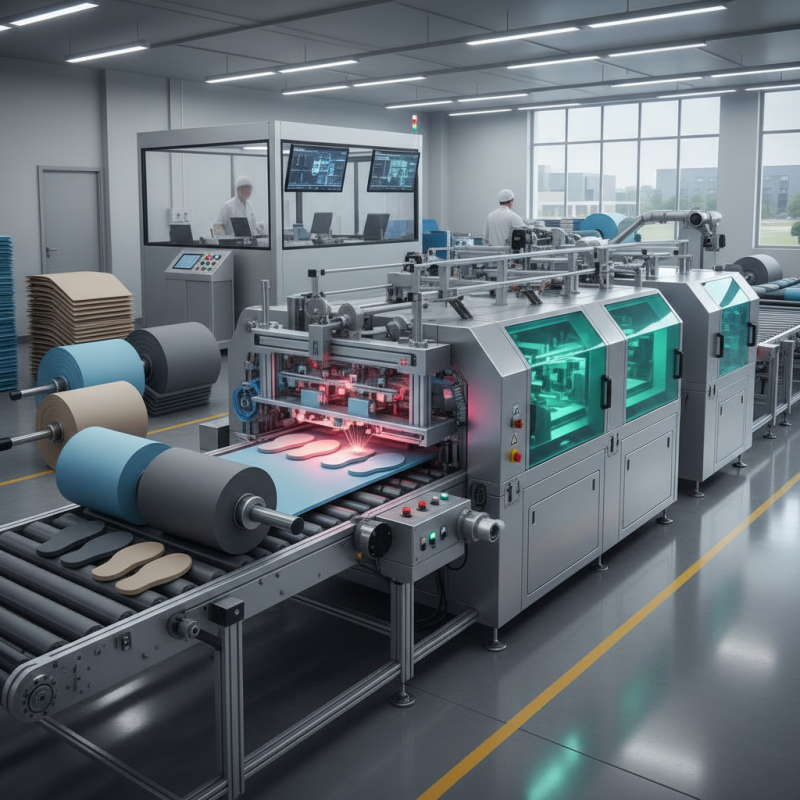
Overview of Slipper Sole Sheet Making Machines
Slipper sole sheet making machines are crucial in the footwear industry. They play a significant role in implementing efficiency and precision. Industry reports indicate that the global demand for slipper soles is projected to grow by 5.5% annually through 2025. This growth highlights the necessity for advanced manufacturing equipment.
The machinery responsible for creating slipper soles must meet specific performance metrics. Standard machines offer high-speed production, capable of processing multiple sheets simultaneously. However, many manufacturers struggle with material waste. Studies reveal that inefficiencies can lead to up to 15% of material loss during production. Companies must strive for better optimization techniques.
Emerging trends also emphasize eco-friendly production processes. Manufacturers are exploring sustainable materials and processes in their machines. The integration of technology, like IoT, can enhance monitoring and predictive maintenance. However, the shift to these innovations requires a skilled workforce. Many businesses face challenges in training personnel adequately. Adapting to these changes is essential for staying competitive in the global market.
Key Features to Look for in a Quality Machine
When considering a slipper sole sheet making machine, buyers should look for several key features. One crucial aspect is the machine's efficiency. According to industry reports, machines with higher production rates can significantly reduce manufacturing lead times. An efficient machine can produce up to 50% more soles in the same timeframe, leading to increased profitability.
Another important feature is precision. Quality machines should offer adjustable settings for thickness and size. This allows manufacturers to cater to diverse market needs without compromising on quality. Research shows that machines equipped with digital controls tend to have lower error rates, which enhances product consistency.
Reliability is also vital. Buyers should assess the machine's warranty and support services. Some data indicates that operational downtime can cost manufacturers up to $20,000 per hour. Hence, selecting a machine that comes with strong after-sales service can mitigate risks. Additionally, ongoing maintenance routines can prevent issues that may disrupt production and demand reflection on the initial investment.
Best Slipper Sole Sheet Making Machine for Global Buyers? - Key Features to Look for in a Quality Machine
| Feature | Description | Importance |
| Material Compatibility | Supports various materials such as EVA, rubber, and PVC. | Essential for versatility and product range. |
| Production Speed | Can produce up to 300 pairs per hour. | Increases efficiency and reduces lead time. |
| Energy Efficiency | Low energy consumption with advanced technology. | Cost savings and environmental impact. |
| User-Friendly Interface | Touch screen controls and easy navigation. | Simplifies operation and reduces training time. |
| Durability | Constructed with high-quality materials for long life. | Minimizes maintenance and downtime. |
| Automated Features | Includes automatic feeding and cutting systems. | Enhances overall productivity. |
| Safety Features | Equipped with emergency stop buttons and guards. | Ensures operator safety during operation. |
Production Process: How Slipper Sole Sheets Are Made
The production process of slipper sole sheets is fascinating and involves several intricate steps. Initially, raw materials such as EVA or rubber are selected for their durability and comfort. These materials are then fed into a specialized machine. This machine heats and softens the material, preparing it for shaping. Upon reaching the right consistency, the material gets molded into desired shapes.
Once molded, the sheets undergo cooling. This is crucial as it ensures the sheets maintain their structure and flexibility. Quality checks follow this cooling phase. Inspectors assess for any imperfections, which could impact performance. It's common to encounter slight variations, necessitating adjustments in future batches.
After inspection, the soles are cut into final shapes and sizes. This step may involve using cutting machines for precision. However, human oversight is still necessary to ensure accuracy. The production journey doesn't end here. Packaging and storing the sheets are critical to prevent damage. Throughout this process, attention to detail is paramount, as even minor flaws can lead to dissatisfaction among buyers. The journey of crafting slipper sole sheets reflects a blend of technology and craftsmanship.
Comparative Analysis of Top Global Manufacturers
When examining the global market for slipper sole sheet making machines, several top manufacturers stand out. These companies engage in constant innovation to meet changing consumer demands. A recent industry report highlights that the demand for eco-friendly materials has surged, with a 50% increase over the past five years. This demand influences production technologies and material sourcing strategies significantly.
In this competitive landscape, manufacturers must balance quality and cost. Reports indicate that companies using automated processes reduce production time by up to 30%. However, the high initial investment can be a barrier for smaller firms. There’s a noticeable gap between large corporations and smaller enterprises in adopting such technologies.
Another critical factor is customer feedback. Various manufacturers report that user experience shapes product development. Gathering insights from end-users can lead to meaningful improvements. Yet, many companies struggle with implementing these insights effectively. They often face challenges in integrating feedback into their production workflow. This shows a need for ongoing reflection and adaptation in manufacturing processes.
Cost Considerations for Buying Slipper Sole Sheet Machines
When considering a slipper sole sheet making machine, cost is a vital factor. It directly affects your budget and future profits. Machines range significantly in price based on features, brand reputation, and technology. Higher costs might imply better durability or efficiency. Yet, not all expensive machines guarantee superior performance.
A deeper evaluation is necessary. Assess the machine's productivity and maintenance needs. Cheaper machines might save initial capital but could incur higher long-term costs. Longevity and ease of use are crucial. Sometimes, a less expensive model performs surprisingly well. Explore user reviews to understand the machine's reliability in real-world scenarios.
Additionally, consider potential hidden costs, such as spare parts or servicing. Investing in a machine is more than just the sticker price. A careful approach ensures that you do not compromise quality for a lower budget. This balance is critical for long-term sustainability in manufacturing.