Who Are the Best Work Gloves Manufacturers in China?
Choosing among Work Gloves manufacturers in China takes more than comparing prices or catalog photos. Buyers need to understand how each supplier handles materials, production consistency, and quality checks. A glove that looks sturdy online may feel stiff, run small, or wear through at the fingertips after repeated use. Details matter. Coating texture, seam strength, cuff finish, and sizing can all affect comfort and performance.
This guide explores manufacturers through practical criteria, including product range, customization options, production capacity, communication, and sample evaluation. It also explains what buyers can check before placing an order, such as requesting product specifications, reviewing test reports, and comparing samples under realistic working conditions. A polished catalog is not proof. Ask how the supplier checks coating coverage and stitching, and whether the sample matches the production model. Verify claims directly, because capabilities and quality systems can vary between factories. No single manufacturer is best for every application; requirements differ across construction, warehousing, gardening, and general handling. Even careful research has limits. Samples may not reveal every issue in a large production run, so clear specifications and ongoing inspection remain important. The aim is a more informed shortlist, not a promise of perfect results.
What Defines a Leading Work Glove Manufacturer in China?
A leading work glove manufacturer in China combines practical product knowledge with consistent production control. It understands how grip, abrasion resistance, dexterity, and fit affect a worker’s day. A glove that feels fine in a sample room may become uncomfortable after hours of handling cartons or tools. Details matter.
Reliable manufacturers can explain their material choices and show how gloves are checked during production. Buyers should ask about yarn, coatings, palm thickness, seam strength, and sizing tolerances. Clear inspection records and repeatable tests help reveal whether one shipment will match the next. A polished catalogue is not enough. Samples need to be tried in realistic tasks, with feedback recorded from the people who wear them.
Communication is another useful measure. A capable factory asks about the job, hazards, climate, and expected service life before recommending a design. It should also be candid about limits, lead times, and changes that could affect quality. No supplier is flawless; even a well-managed line can produce variation. What matters is whether problems are traced, explained, and corrected rather than brushed aside. A thoughtful manufacturer treats fit complaints and early wear as evidence, not noise.
Key Chinese Work Glove Manufacturers and Their Market Profiles
China’s work-glove suppliers generally serve three overlapping markets: knitted safety gloves, coated gloves, and heavier leather or cut-resistant products. Production is concentrated in manufacturing regions with established textile, dipping, and export supply chains. Buyers often find factories offering private-label production, custom sizing, and several coating options. These capabilities do not guarantee consistent quality. Ask for recent test reports and inspect samples from different production batches.
Fortune Business Insights valued the global industrial protective gloves market at USD 9.85 billion in 2023 and forecast USD 15.36 billion by 2032. This is a global estimate, not a measure of China’s market share. It signals sustained demand, but supplier profiles still differ sharply: some focus on high-volume basic gloves, while others invest in application-specific coatings and reinforced palms. Look closely at liner gauge, coating thickness, seam finish, and grip on wet surfaces. Small details matter. A polished sample may not reflect routine production, and that gap deserves scrutiny. Compare documented performance, delivery consistency, and communication—not price alone.
How Manufacturers Differ in Glove Types and Industry Specialties
Who Are the Best Work Gloves Manufacturers in China?
How Manufacturers Differ in Glove Types and Industry Specialties
Chinese work glove manufacturers often specialize by material and end use. Some knit nylon or HPPE liners for assembly and cut protection, then add nitrile or polyurethane palm coatings for grip. Others focus on leather welding gloves, heat-resistant styles, or chemical-resistant dipped gloves. A thin, flexible glove suits small fasteners; it may not hold up around sharp sheet metal. Different jobs need different builds.
Grand View Research estimated the global industrial protective gloves market at about USD 10.6 billion in 2023. That demand spans manufacturing, construction, logistics, and chemical handling, but it does not mean every factory can serve every sector well. Ask whether a supplier can document material specifications and test results against relevant standards, such as EN 388 for mechanical risks. A catalog is not enough. Even a good glove can feel wrong after a full shift.
Tips: Match the glove to the hazard and task. Request samples, check the coating on oily surfaces, and test fit with the tools workers actually use. Confirm sizing, batch consistency, and test documentation before placing a large order.
How Production Capacity and Quality Standards Are Assessed
A Chinese glove factory’s stated monthly capacity is only a starting point. Ask to see production records, machine counts, shift schedules, and recent delivery data. Then compare those figures with an actual production run. Check the shift. A line may reach impressive output for one day, yet struggle to sustain it during peak orders or material changes.
Quality checks should match the glove’s intended hazards. EN 388 reports mechanical-risk performance, while ISO 21420 covers general glove requirements, including sizing and innocuousness. Request current test reports for the exact model, not a similar sample. Inspect coating thickness, seam strength, grip, and defects across several cartons. The International Labour Organization’s 2023 global estimates put work-related deaths at nearly 3 million a year. That figure is not specific to hand injuries, but it shows why protective performance deserves more than a paperwork review.
Traceability matters. Ask how batches of yarn, liner, and coating are recorded, and how failed inspections are handled. A neat audit file can still hide uneven workmanship between shifts. Numbers can mislead. Visit the facility when possible, observe sampling, and compare retained samples with shipped goods. A factory may meet a standard on paper; buyers should verify that routine production stays consistent.
How Buyers Can Compare Manufacturers for Their Specific Needs
Comparing work glove manufacturers in China starts with the job, not the catalog. A warehouse picking small parts needs different gloves from a metal shop handling rough edges. Define the hazards, expected wear time, grip conditions, and preferred cuff length before requesting quotations. Ask for material details, coating thickness, size ranges, and test reports that match the intended use. Clear answers matter. Vague claims about “high protection” are hard to evaluate.
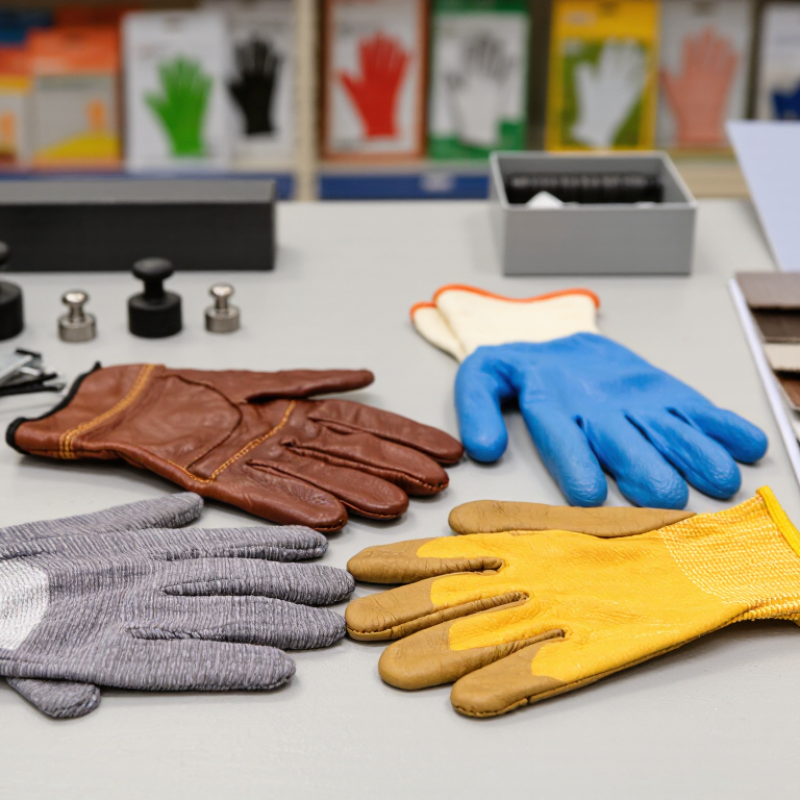
Request samples and test them under realistic conditions. Check seam strength, finger movement, grip on dry and slightly oily surfaces, and comfort after several hours. Record results across sizes; one sample may fit well while another feels tight. Also compare minimum order quantities, production lead times, packaging, and how the manufacturer handles defects. A factory visit or live production review can provide useful context, but it does not replace ongoing checks. I once focused too much on price; the gloves wore out faster than expected. That was a costly assumption.
Tips: Share a simple use-case sheet with each supplier. Ask the same questions, and keep sample notes side by side. Confirm that quoted specifications will appear in the purchase documents. Small details count.
Who Are the Best Work Gloves Manufacturers in China? How Buyers Can Compare Manufacturers for Their Specific Needs
Compare glove samples against the abrasion-resistance thresholds in the EN 388:2016 standard. Higher levels require more test cycles.
How to use this chart: Ask manufacturers for test reports for the specific glove model you are considering, then compare the reported level with your application’s wear requirements. Abrasion is only one performance measure; it does not indicate overall glove quality.