What is a Cabin Filter and Why is it Important for Your Car?
A Cabin Filter is an essential component for modern vehicles. It plays a crucial role in ensuring clean air enters the passenger compartment. According to industry data, about 56% of drivers overlook this vital part during vehicle maintenance. A dirty cabin filter can lead to various problems, including reduced air quality and unpleasant odors inside the car.
The importance of a cabin filter goes beyond comfort. Studies show that a clogged filter can decrease airflow by up to 30%. This reduction impacts the efficiency of heating and cooling systems. Additionally, it can worsen allergy symptoms for sensitive passengers. Many vehicles are equipped with cabin filters, yet many drivers are unaware of how to maintain or replace them.
Regularly changing the cabin filter is often an afterthought. It is recommended to replace it every 12,000 to 15,000 miles. But, statistics reveal that around 20% of vehicle owners never perform this task. Ignoring the cabin filter can lead to significant long-term effects on both health and vehicle performance.
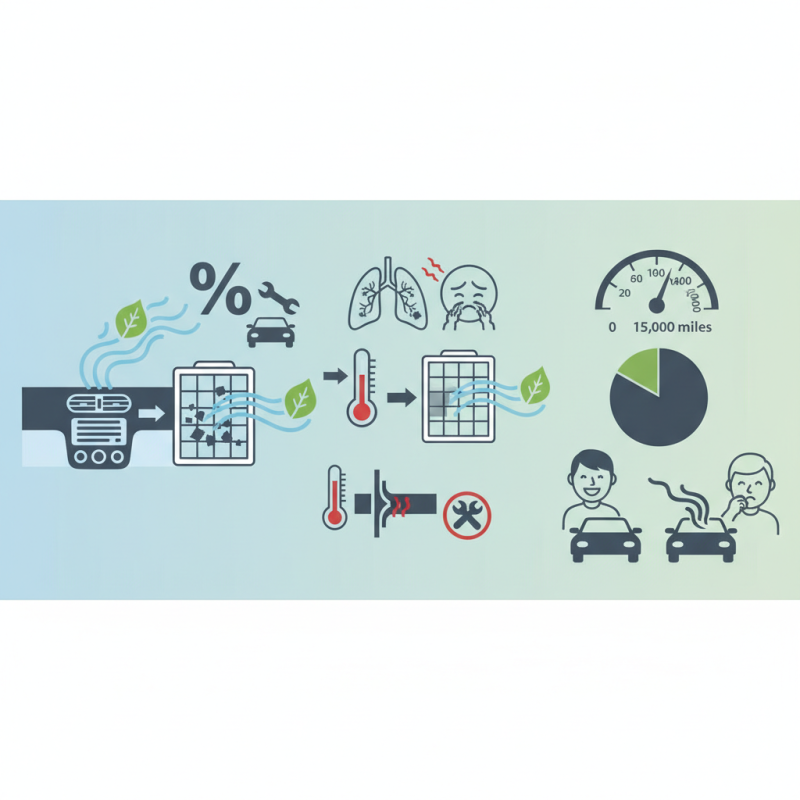
What is a Cabin Filter and Its Function in Vehicles?
A cabin filter plays a crucial role in ensuring clean air inside your vehicle. It acts as a barrier against dust, pollen, and pollutants. When you drive, air flows through this filter before entering the cabin. A good cabin filter improves air quality and makes your rides more comfortable.
Over time, cabin filters can become clogged with debris. This can lead to reduced airflow and unpleasant odors. You might notice sneezing or irritation during drives if the filter is neglected. Regular maintenance is vital.
Changing your cabin filter at recommended intervals can make a significant difference. Ignoring the cabin filter may result in long-term issues. Being exposed to poor air quality can impact your health. It's easy to overlook, but this component deserves attention. Take a moment to consider the air you breathe while driving. Regular checks may save you from discomfort later on.
The Components of a Cabin Filter: Understanding Its Structure
Cabin filters are crucial for maintaining air quality inside your car. They trap dust, pollen, and other pollutants. Understanding their structure helps appreciate their importance. Typically, a cabin filter consists of a pleated filter medium, frame, and seal. The pleats increase surface area, allowing more particles to be captured.
The frame provides structural support, ensuring the filter maintains its shape. A good seal keeps unfiltered air from entering your car. If these components wear out, the filter's efficiency decreases. You might notice musty odors or reduced airflow when that happens. These signs indicate it’s time to replace the filter. Neglecting this maintenance can lead to health issues.
While it's easy to overlook, a clean cabin filter enhances comfort during drives. It affects not only how the air feels but also how it smells. Poor air quality can be distracting, even dangerous. Regular checks can prevent unpleasant surprises. Sometimes, we forget the small parts make a significant difference in our daily lives.
The Importance of Cabin Filters for Air Quality in Vehicles
Cabin filters play a crucial role in maintaining air quality inside vehicles. They trap dust, pollen, and other pollutants from entering the cabin. This filtration process ensures that the air you breathe is cleaner and healthier. Without a functional cabin filter, harmful particles can affect your comfort and well-being.
Many people overlook the cabin filter during regular maintenance. This oversight can lead to poor air quality inside the car. If you notice unusual smells or see dust accumulating inside, it might be time to check the filter. An inadequate filter struggles to keep the air clean, making your driving experience less pleasant.
Changing the cabin filter is often a simple task. However, it's easy to forget about its importance. Remember, neglecting this small component can lead to increased allergies and respiratory issues, especially for sensitive individuals. Keep in mind that a clean cabin filter contributes to better air quality and a healthier environment while driving.
What is a Cabin Filter and Why is it Important for Your Car? - The Importance of Cabin Filters for Air Quality in Vehicles
| Aspect | Description | Impact on Health | Replacement Frequency |
| Function | Removes pollutants and allergens from the air entering the cabin | Reduces respiratory issues and allergies | Every 12,000 to 15,000 miles |
| Types | Carbon filters, HEPA filters, and particulate filters | Varies based on the filter type's effectiveness | 10,000 to 20,000 miles depending on vehicle |
| Signs of a Bad Filter | Reduced airflow, odors, or increased dust inside the car | Potential exacerbation of allergies or asthma | As soon as symptoms appear or during routine maintenance |
| Benefits | Improves air quality, enhances comfort, and prevents dirty air from affecting health | Less respiratory distress and better driving experience | Frequent checks recommended to maintain optimal performance |
Signs That Indicate It's Time to Replace Your Cabin Filter
Cabin filters play a crucial role in maintaining air quality inside your car. They trap dust, pollen, and other pollutants. Over time, these filters can become clogged. This can lead to poor air circulation and unpleasant odors. Recognizing the signs that you need to replace your cabin filter is essential.
One clear sign is reduced airflow from the vents. If you notice that the air feels weak, it might be time for a change. Another indicator is persistent odors. If musty or strange smells linger, your filter might be saturated. Also, sneezing or itchy eyes while driving could signal that the filter is not doing its job.
Many people forget about their cabin filter until problems arise. Regular maintenance can help avoid this. Checking the filter every few months is wise. A little attention can improve your driving experience. Don’t ignore these signs. Taking action promptly can help maintain a comfortable environment in your car.
How to Properly Maintain and Change Your Cabin Filter
Maintaining your cabin filter is crucial for ensuring clean air in your vehicle. A dirty filter can clog airflow and reduce efficiency. You'll notice musty smells or reduced airflow if it hasn’t been changed in a while. Checking your filter regularly is a good habit.
Changing the cabin filter can be done easily at home. Locate the filter, often found behind the glove compartment. Gently pull it out and examine it. If it’s dark or clogged with debris, it’s time for a replacement. Take time to ensure you're installing the new filter in the correct direction.
Don’t overlook this small task. It often gets neglected, but the benefits are significant. Better air quality leads to a more pleasant driving experience. Remember, maintaining your cabin filter contributes to overall vehicle health. Clean filters keep fresh air circulating, making every journey more enjoyable.
Importance of Cabin Filter Maintenance
The chart above illustrates how the Air Quality Index (AQI) levels can increase over time with an aging cabin filter. Regular maintenance and timely replacement of the cabin filter are essential to ensure optimal air quality within your car.