
For global buyers, a Cannabis Gummies Container is more than a small package. It protects product quality, supports clear communication, and influences purchasing confidence. The right container should fit the product, market, and approved supply chain. It must also respect local packaging requirements wherever the product is legally permitted.
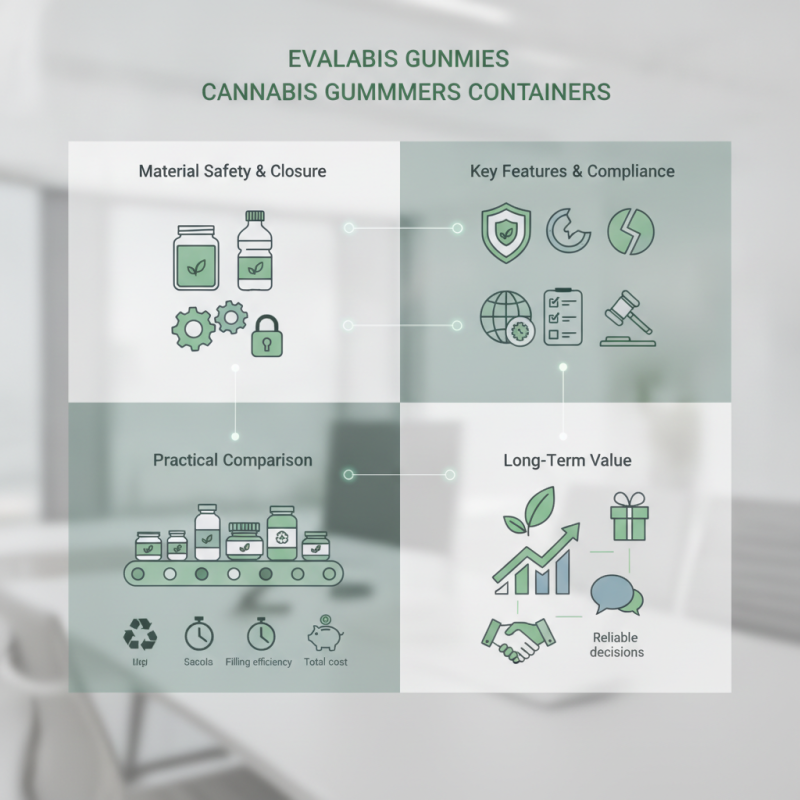
A professional evaluation starts with material safety, closure performance, and labeling space. Glass can provide strong barrier protection and a premium appearance. Food-grade plastic may reduce weight and shipping costs. Child-resistant and tamper-evident features may be required in specific markets. Buyers should verify these requirements with local authorities and qualified compliance specialists. Do not rely on one global assumption.
Details matter. A secure lid should close evenly, without loose threads or visible gaps. A label should remain readable after handling, transport, and storage. Moisture resistance can help protect gummy texture, although performance depends on the formula and environment. Suppliers should provide material specifications, test records, and consistent production samples. Experience helps reveal problems that product photos often hide.
There is no perfect container.
A practical comparison should consider capacity, filling efficiency, shipping durability, recyclability, and total cost. Some attractive designs waste shelf space. Others look economical but create labeling difficulties. These trade-offs deserve honest review. Buyers can request samples, inspect closures by hand, and test containers under realistic storage conditions. This approach supports reliable decisions and reduces avoidable packaging changes. A well-chosen Cannabis Gummies Container should serve safety, compliance, brand presentation, and long-term market needs.
A cannabis gummies container is a purpose-built package for storing and presenting legally manufactured gummy products in regulated markets. Its main purpose is protection. It helps reduce exposure to moisture, light, heat, and accidental contamination during storage and transport. A suitable container may include child-resistant features, a tamper-evident seal, and an opaque body. These details matter because gummies can soften, stick together, or lose quality when conditions change.
The container also supports clear communication. A clean label area should hold essential information, such as product identity, ingredients, net weight, batch details, and lawful use instructions. Requirements differ between countries and regions. Global buyers should confirm local packaging rules before selecting a design. In practical sourcing work, small details often create problems. A lid may close tightly but still be difficult for older adults to use. A seal may look secure yet fail during rough shipping. No container is perfect.
Tips: Ask for material specifications, closure testing, and sample units before placing a large order. Check whether the container protects against moisture and light. Review label space with a compliance professional. Avoid decorative features that reduce readability or raise opening risks. A simple package can be more reliable.
What Is a Cannabis Gummies Container for Global Buyers?
Common Materials and Container Designs
A cannabis gummies container is more than a simple jar. It protects texture, flavor, dosage information, and product integrity during storage and transport. For lawful, regulated products, buyers often choose PET or HDPE plastic because both are lightweight and resistant to impact. Glass offers a premium appearance and strong barrier protection, but it weighs more and may break during shipping. PP is also useful for closures, inner seals, and moisture-resistant components.
Design affects daily use. Wide-mouth jars allow easy access, while smaller formats support controlled portions and reduce unnecessary exposure to air. Tamper-evident bands help show whether a package has been opened. Child-resistant closures may be required in some markets. Labels should remain readable after refrigeration, handling, and humidity changes. In my experience, a tight seal matters more than an attractive shape. Still, no container performs perfectly in every climate.
Tips: Match the material to the supply route. Use moisture barriers for humid regions, and test seals before large production runs. Confirm local packaging, labeling, recycling, and safety requirements with qualified compliance professionals. A design that works well in one country may fail another market’s standards. Test it again.
A cannabis gummies container must protect the product before it reaches the consumer. For global buyers, safety begins with certified food-contact materials. The container should resist cracking, leaking, and chemical interaction. Moisture control also matters. Gummies can become sticky, hard, or misshapen during storage.
Child resistance is a critical design feature. A properly tested closure can slow access for young children. It should still be practical for adults with limited hand strength. Clear opening instructions help, but instructions alone are not enough. Tamper-evident seals provide visible warning after interference. Small details matter.
Product protection extends beyond the container itself. Light-blocking materials can help preserve color and texture. A secure fit reduces movement during shipping. Odor control may be important in shared transport environments. Buyers should request test reports, material specifications, and performance records from suppliers. Regional requirements can differ sharply, even between neighboring markets. Packaging teams should verify local rules before production.
A perfect container does not exist. One closure may pass a laboratory test but frustrate real users. Another may protect freshness while increasing material waste. Practical trials with adults, children-safety specialists, and logistics teams can reveal these weaknesses. The best choice balances resistance, accessibility, durability, and responsible material use. That balance requires evidence, not attractive samples alone.
For global buyers, a cannabis gummies container is more than protective packaging. It is part of the product’s compliance system. In lawful, regulated markets, the container should protect gummies from moisture, heat, light, and accidental access. Material compatibility matters too. Some plastics may interact with oils, flavors, or colorants over time.
Labeling requirements vary by country, state, and product category. A compliant label may need the product name, net quantity, ingredient list, allergens, batch number, production date, expiry date, and responsible importer. Potency details, age restrictions, warning statements, and recycling information may also apply. Use the required local language. Avoid medical promises or unclear wellness claims. A neat label is not enough.
Tips: Keep a country-specific checklist. Confirm every statement with local regulatory specialists before printing. Use durable ink and test labels in cold, warm, and humid conditions. Check that child-resistant and tamper-evident features meet the destination market’s standards. QR codes can provide extra information, but they should not replace mandatory printed details. Requirements can change, so one approved design may need review later. That is easy to overlook. Reliable suppliers should provide material data, testing records, and traceable production documents. Reference samples also help buyers compare color, closure strength, and label readability before large orders.
A suitable container protects regulated cannabinoid gummies during long, complex journeys. It must resist humidity, heat, shocks, and accidental opening. My practical preference is a rigid, food-contact container with an induction seal. A wide opening helps filling, but it may increase moisture exposure. A smaller opening improves control. No container is perfect.
International buyers should check child-resistant and tamper-evident requirements in every destination market. ISO 8317 and ASTM D3475 offer useful testing references, but they do not replace local approval. The closure should also support multilingual labeling, batch identification, expiry information, and traceability. The 2023 Global Buying Green Report, covering 9,000 consumers across 25 countries, reported that 82% would pay more for sustainable packaging. That signal matters. However, lightweighting can reduce protection when transport conditions are severe. Sustainability needs evidence, not attractive claims.
Tips: Request migration, seal-integrity, and drop-test documents from the packaging supplier. Compare glass, HDPE, and recycled-content options using real shipment trials. Test condensation after refrigerated storage. Review every label before export. A small printing error can delay an entire pallet. Also confirm whether the container’s recycled material meets food-contact standards in the destination market.
By continuing to use the site, you agree to the use of cookies. more information
The cookie settings on this website are set to "allow cookies" to give you the best browsing experience possible. If you continue to use this website without changing your cookie settings or you click "Accept" below then you are consenting to this.