What is a Centrifugal Fan and How Does It Work?
Centrifugal Fans play a crucial role in various industries. These devices are designed to move air or other gases efficiently. Their operation relies on centrifugal force, which is generated by the fan's rotating blades. When the blades turn, they push air outward, creating a pressure difference. This unique feature makes a centrifugal fan suitable for high-flow and low-pressure applications.
Understanding how a centrifugal fan operates can enhance your systems' effectiveness. Proper installation and maintenance are essential for their optimal performance. Although these fans are reliable, incorrect usage can lead to inefficiencies. Common issues include vibrations or noise, which may indicate underlying problems. Regular checks help maintain performance and extend the fan's lifespan.
The applications of centrifugal fans vary greatly. They can be found in HVAC systems, industrial processes, and even commercial kitchens. Each application presents unique challenges and requirements. Therefore, familiarity with the specific kind of centrifugal fan is vital. Knowing the right fan type ensures proper airflow and energy efficiency, ultimately benefiting your operation.
What is a Centrifugal Fan?
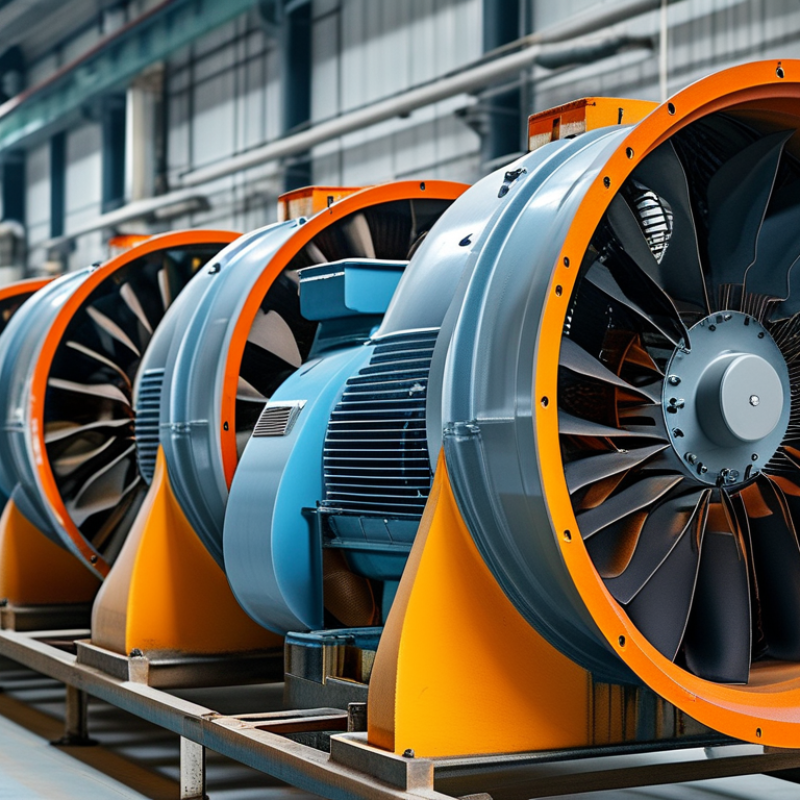
A centrifugal fan is a mechanical device designed to move air or gases efficiently. It operates on a simple yet effective principle. The fan draws air into its center and then forces it out through an outlet at a high speed. This action creates a difference in air pressure, resulting in the movement of air.
These fans have a unique impeller design that spins rapidly. The centrifugal force generated by this spinning action pushes the air outward. Often seen in industrial applications, they can be found in heating, ventilation, and air conditioning systems. Their ability to operate smoothly makes them a popular choice for many environments.
However, not all centrifugal fans perform equally well. Factors like impeller size, housing shape, and speed can influence efficiency. In some cases, they can be noisy. This can be a drawback in quieter settings. Understanding these nuances can help in selecting the right fan for specific needs. It’s essential to weigh the pros and cons carefully.
The Basic Components of a Centrifugal Fan
Centrifugal fans are widely used in various industries for ventilation and airflow management. Understanding their components is vital for effective application. A typical centrifugal fan consists of several key parts: the impeller, casing, motor, and inlet.
The impeller is a rotating component that increases air velocity. Its design can significantly impact performance. Studies show that optimizing impeller shape can improve efficiency by up to 30%. The casing, usually spiral or volute in shape, directs airflow and stabilizes pressure. The motor powers the impeller, and it’s essential to select a motor that matches the fan's specifications for optimal performance.
Sometimes, neglecting maintenance can lead to poor efficiency. Dust accumulation can affect airflow significantly. Industry data indicates that even a small buildup can decrease fan efficiency by 15% or more. Regular cleaning and inspection of these components are crucial. The inlet, though often overlooked, plays a vital role in air entry and can influence noise levels. Understanding each component enhances the ability to troubleshoot and maintain centrifugal fans effectively.
How Centrifugal Fans Generate Airflow
Centrifugal fans play a crucial role in various industrial applications by generating airflow efficiently. These fans utilize a rotating impeller to draw air in through the intake. As the impeller spins, it directs the air outward. This movement increases the air's velocity, creating a powerful airflow. According to the American Society of Heating, Refrigerating and Air-Conditioning Engineers (ASHRAE), the efficiency of centrifugal fans can reach up to 85% under optimal conditions.
The design of a centrifugal fan impacts its airflow capabilities. Fans come in different shapes, with the volute and scroll types being prevalent. These designs help optimize air movement, minimizing turbulence and maximizing efficiency. Research indicates that fans operating at lower speeds tend to consume less energy, which is crucial for sustainability. However, this may compromise airflow, requiring careful balance.
In practical applications, maintaining centrifugal fans is vital. Regular checks can prevent performance drops. Dust and debris can accumulate, impacting efficiency and increasing energy costs. A study published by the International Energy Agency suggests that up to 30% of energy consumption in industrial facilities is due to inefficient fans. Thus, ongoing maintenance is essential for sustainable operations.
Applications of Centrifugal Fans in Various Industries
Centrifugal fans play a vital role across various industries, particularly in ventilation and cooling systems. In manufacturing, these fans help control air quality. According to a recent report, over 30% of energy is used in industrial ventilation systems. Poor ventilation leads to productivity loss. Therefore, effective air circulation is crucial to maintain optimal working conditions.
In the HVAC sector, centrifugal fans are essential for maintaining air pressure. Studies show that these fans impact energy efficiency by up to 25%. This efficiency is vital for reducing operational costs in commercial buildings. However, improper installation can lead to issues like noise and reduced airflow. It is a reminder that careful planning is necessary.
Wastewater treatment facilities also utilize centrifugal fans. They help in aeration processes. Reports indicate that efficient aeration contributes to better treatment outcomes. But not all facilities achieve optimal fan performance. Regular maintenance and monitoring can help address inefficiencies. A significant portion of potential savings is often lost due to neglected equipment.
What is a Centrifugal Fan and How Does It Work? - Applications of Centrifugal Fans in Various Industries
| Industry | Application | Centrifugal Fan Type | Fan Efficiency (%) |
| HVAC | Air circulation and ventilation | Forward Curved Fan | 70-85 |
| Manufacturing | Dust collection and exhaust | High-Pressure Fan | 75-90 |
| Food Processing | Drying and cooling | Axial Flow Fan | 65-80 |
| Chemical | Fume extraction | Backward Curved Fan | 80-95 |
| Automotive | Cooling systems | Mixed Flow Fan | 70-85 |
Maintaining and Troubleshooting Centrifugal Fans
Centrifugal fans are vital components in many systems, yet maintaining them is often overlooked. Regular inspections can help prevent major failures. It's crucial to check for vibrations and unusual noises that may indicate misalignment or wear. According to industry reports, improper balance can reduce fan efficiency by up to 30%.
Cleaning is another essential aspect. Dust and debris can significantly hinder performance. Regularly cleaning the fan blades and housing can ensure optimal airflow. Experts suggest using compressed air for this purpose. However, overzealous cleaning can damage delicate components. It's important to maintain a balance.
When troubleshooting, focus on three main areas: airflow, noise, and efficiency. Monitoring airflow can reveal blockages or leaks. Noise levels may signal mechanical issues. Lastly, efficiency can be assessed by checking power consumption against output. If a fan is consuming more energy than expected, a detailed inspection is warranted. Addressing these factors can lead to improved performance and longevity.