
Choosing a China-based Intalox Saddle supplier is not just a price comparison. Packing geometry, material, and manufacturing consistency can affect how a tower performs. Buyers should match the product to the process, operating temperature, chemical exposure, and required pressure drop. Small details matter.
Intalox Saddle is available in materials such as ceramic, plastic, and metal, each suited to different operating conditions. A clear supplier should explain material options, dimensions, tolerances, and available inspection records. Ask for drawings and samples when fit or installation is critical. Check that the stated size matches the tower design, not simply a catalogue description. A few millimetres can matter.
For international orders, confirm packaging, lead times, and shipping arrangements before approving production. Request relevant quality documents, and clarify how the supplier handles defects or specification changes. If possible, compare samples against your technical requirements rather than relying on photographs alone. Price still matters, of course, but the lowest quotation may not include the same material grade or inspection scope.
There is no single supplier that suits every project. Even a well-presented offer deserves careful review. This guide examines what global buyers can check when comparing China’s Intalox Saddle suppliers, from product specifications to communication and after-sales support. The goal is a practical choice, based on verifiable details—not broad claims of being “the best.”
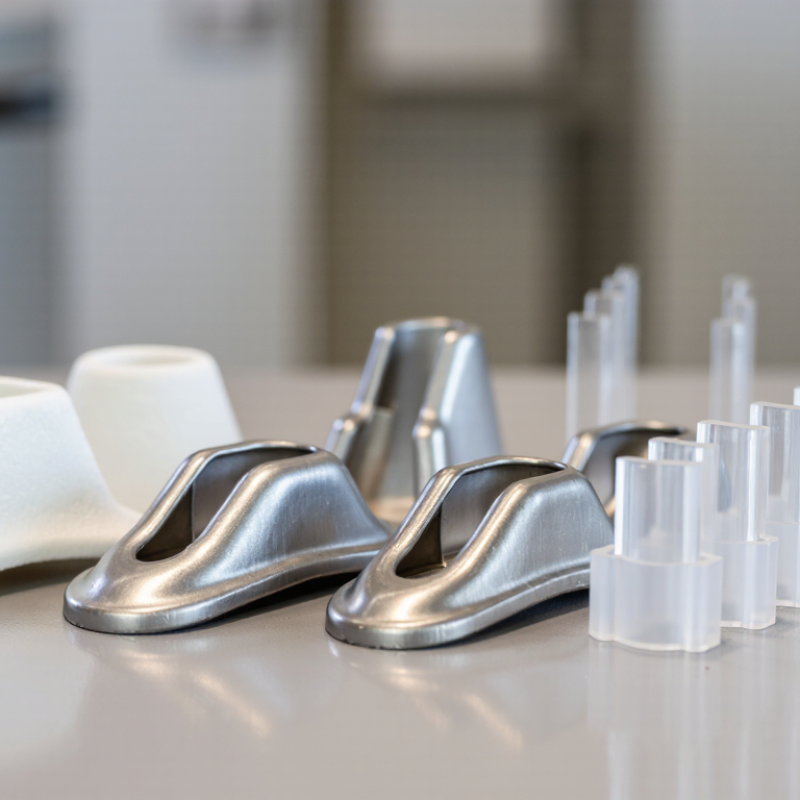
An Intalox saddle is a small, open-shaped packing element placed inside a tower or column. Its curved body and shaped edges create many surfaces for liquid to spread across. The open passages also leave room for vapor to rise. That shape matters. As liquid trickles over the packing, it forms thin films and droplets; vapor moving upward contacts them, allowing heat or mass transfer between the phases. In absorption and distillation, this contact supports the separation process.
Performance depends on more than the saddle itself. Bed depth, liquid distribution, vapor speed, and the properties of the process fluid all affect results. A well-installed bed should have packing spread evenly, without crushed pieces or large gaps. Poor distribution can leave dry areas, even when the packing is suitable. In practice, engineers compare pressure drop, capacity, and separation needs before choosing a size or material. A larger opening may help reduce resistance, but it does not solve every operating problem. There is no magic here. Design estimates also deserve review against actual operating data; calculations can miss fouling or uneven flow. That uncertainty is worth taking seriously.
Intalox saddles are shaped random packings used in columns to promote contact between rising gas and descending liquid. Their open shape helps expose surface area for mass transfer while allowing gas and liquid to flow through the packed bed. The sizes shown are common nominal sizes for random tower packing; actual dimensions and availability vary by packing design and material. Larger packing elements generally create less flow resistance, while smaller elements generally provide more surface area per unit volume.
Intalox saddles use a curved, open shape to create spaces for gas and liquid flow. Their ribs and notched edges help distribute liquid across the packing bed. The open structure can support good contact between phases while limiting resistance to rising gas. That matters. In practice, performance depends on packing size, tower diameter, liquid load, and installation quality. A poorly distributed feed can still leave dry zones, even with well-designed saddles.
Material choice affects service life and operating limits. Ceramic saddles tolerate high temperatures and many corrosive environments, but can chip during handling. Metal versions provide strength and suit demanding mechanical conditions; the alloy must match the process fluid. Plastic saddles are lightweight and resist many chemicals, though temperature and load limits need careful review. No material is best in every tower. Buyers should compare operating temperature, chemical exposure, expected pressure drop, and cleaning needs against verified product data. One detail is easy to overlook: storage and loading practices can damage even sound packing. Selection deserves a second look when process conditions vary.
In refineries, gas-processing units, and chemical plants, Intalox saddle packing supports vapor–liquid contact in absorption, stripping, and distillation columns. Its open, curved passages can help limit liquid holdup and pressure drop, but performance depends on the whole column. The U.S. Department of Energy’s 2015 Bandwidth Study on Energy Use and Potential Energy Saving Opportunities in U.S. Chemical Manufacturing reports that U.S. chemical manufacturing used about 5.4 quadrillion Btu in 2010. That scale underscores why operators monitor reboiler duty and column pressure drop, not packing price alone. Small losses compound.
Before specifying saddles, engineers assess vapor and liquid loads, feed distribution, column diameter, material compatibility, and fouling risk. Poor distribution can leave dry zones; excessive vapor velocity increases pressure drop and may bring a column close to flooding. Compare validated simulations or pilot tests using pressure-drop curves, capacity, and height equivalent to a theoretical plate (HETP). Record the test fluid, temperature, irrigation rate, and packing size. A clean-water test is not a refinery guarantee. Scale-up still involves judgment. The highest-capacity option may also be less forgiving during turndown or dirty service, so check inspection access and cleaning needs before selection.
| Packing Type | Typical Material | Common Applications | Performance Considerations | Key Checks for Buyers |
|---|---|---|---|---|
| Random saddle packing | Ceramic | Absorption, scrubbing, and distillation services where chemical resistance and heat tolerance are important. | Can suit corrosive and high-temperature service, depending on the process chemistry and ceramic grade. Ceramic pieces are comparatively brittle and can be damaged by impact or careless loading. | Confirm chemical compatibility, operating temperature, dimensions, bulk density, and handling requirements. Check that loading procedures limit breakage. |
| Random saddle packing | Metal, such as stainless steel or other specified alloys | Distillation, stripping, and absorption in process columns where mechanical strength and compact packing are required. | Metal packing is generally mechanically robust and can be made in thin-walled geometries. Suitability depends on alloy compatibility, temperature, pressure, liquid distribution, and the column design. | Specify the alloy and applicable material standard; verify corrosion resistance, nominal size, wall thickness, and whether the packing is intended for the operating pressure and service. |
| Random saddle packing | Thermoplastic, such as polypropylene or polyethylene | Gas scrubbing, air pollution control, and selected absorption duties where plastic is compatible with the process fluids. | Low weight can simplify handling. Temperature limits, chemical compatibility, and mechanical properties depend on the particular polymer and operating conditions; plastic is not suitable for every hot process. | Request the polymer grade and supplier-stated service limits. Check temperature, solvent compatibility, fire-safety requirements, and resistance to deformation under load. |
| Smaller nominal packing sizes | Ceramic, metal, or plastic, subject to product availability | Columns with smaller diameters or services where greater packing surface area per unit volume is desired. | Smaller pieces can increase surface area per unit volume, but may also increase pressure drop and make liquid distribution and column hydraulics more demanding. | Assess column diameter, gas and liquid loads, allowable pressure drop, distributor design, and the risk of plugging or fouling. |
| Larger nominal packing sizes | Ceramic, metal, or plastic, subject to product availability | Larger columns and services where lower resistance to gas flow is an important design consideration. | Larger pieces may offer lower pressure drop at a given condition, but mass-transfer performance and wetting depend on the packing geometry, flow rates, and liquid distribution. | Confirm column diameter-to-packing-size suitability, design capacity, pressure-drop limits, and the required distributor and support arrangement. |
| Any saddle packing size or material | As specified for the process | Absorption, stripping, scrubbing, and distillation; final suitability is service-specific. | Capacity, efficiency, pressure drop, and flooding behavior cannot be determined from packing shape alone. They depend on packing dimensions and geometry, fluid properties, operating loads, and column internals. | Request a technical data sheet and, for design decisions, hydraulic or mass-transfer data applicable to the intended service. Confirm dimensions, tolerances, quantity, packaging, and inspection requirements. |
Engineering note: Nominal sizes, material grades, and performance vary by product and manufacturer. Validate chemical compatibility and column performance against the actual process conditions before specifying or replacing packing.
When evaluating an Intalox saddle supplier in China, request more than a catalogue and a polished sample. Ask for material specifications, production tolerances, batch traceability, and test records. Compare saddle dimensions, wall thickness, and weight across several pieces; uneven edges can affect packing and installation. A clean sample photo can still mislead.
Check performance claims against operating conditions. The U.S. EPA’s 2003 Packed-Bed/Packed-Tower Scrubber fact sheet reports typical gas-removal efficiencies of 95–99% for certain applications. This is system-level performance, not a guarantee from the saddles alone. Ask suppliers for application-specific references, pressure-drop data, and test methods, then have a process engineer review the figures. I would not rely on a single laboratory result; real columns vary.
Tips: Request a small trial batch. Measure several pieces with calipers, inspect for cracks, and confirm the material certificate matches the order. Clarify packaging, lead time, and how damaged goods are handled in writing. Supplier answers may be imperfect; note gaps and ask for evidence before comparing quotations.
Selecting an Intalox saddle supplier for global projects takes more than comparing quotations. Ask how each production batch is checked: dimensions, material consistency, and crush strength can affect packing performance. Request inspection records and, where practical, test a sample against your process conditions. Ceramic, plastic, and metal options behave differently under heat, corrosion, and handling loads. The right choice depends on the liquid, gas, operating temperature, and tower design—not a generic claim. Small details matter. Even a careful checklist can miss a mismatch between the drawing and the delivered pieces, so verify actual samples.
Customization should be documented before production begins. Share drawings, target dimensions, material requirements, and packaging preferences, then confirm tolerances in writing. A small change in saddle size may affect bed height or pressure drop, so review design implications with a qualified process engineer. Global shipping needs similar care. Confirm pallet strength, protective wrapping, container loading plans, and shipment tracking. For long routes, ask how the supplier prevents crushing or moisture exposure during storage and transit. Check lead times against installation schedules, and clarify which inspection documents will accompany the order. Shipping estimates can shift; build in some buffer. The paperwork is not exciting, but missing records can delay receiving and inspection.
By continuing to use the site, you agree to the use of cookies. more information
The cookie settings on this website are set to "allow cookies" to give you the best browsing experience possible. If you continue to use this website without changing your cookie settings or you click "Accept" below then you are consenting to this.