
In the world of motor control, the choice of a Soft Starter can make a significant difference. Dr. Emily Chen, a leading expert in motor technology, states, “Using a Soft Starter reduces stress on electric motors and extends their life.” This highlights the essential benefits of integrating a Soft Starter into motor systems.
When starting a motor, inrush currents can be extremely high. These surges can lead to equipment wear and potential failure. Soft Starters mitigate this risk by gradually ramping up motor speed. This controlled acceleration is vital in industrial environments where downtime can be costly.
Choosing the right Soft Starter involves understanding specific needs and applications. It’s more than just a component; it’s a strategic decision that can impact operational efficiency. Reflecting on current motor systems may reveal areas for improvement. The use of a Soft Starter could be that game-changing element.
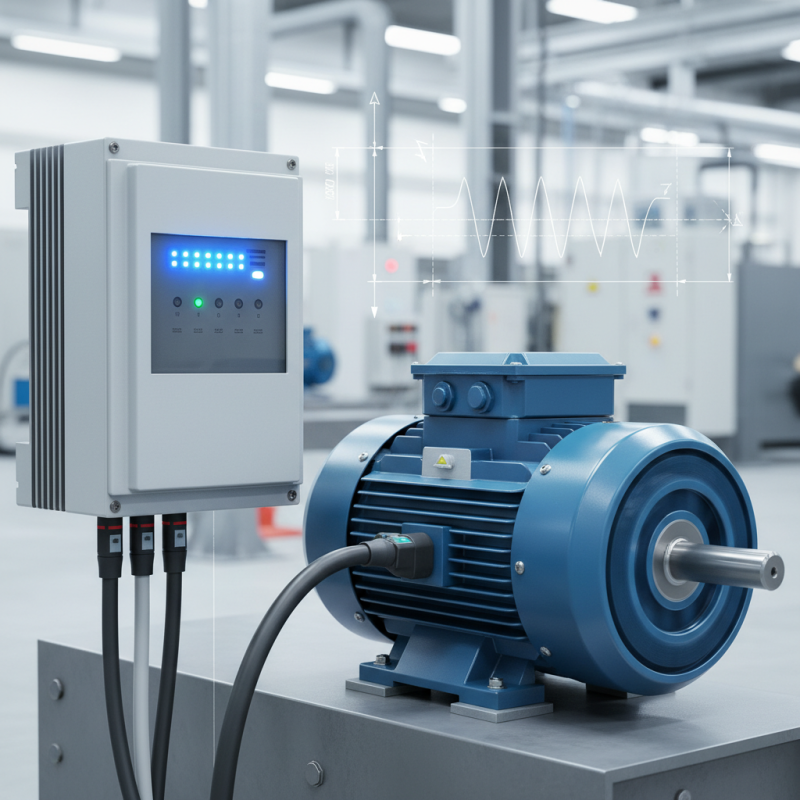
Soft starters are essential in motor applications, providing a smoother start for various equipment. They help manage inrush current, which can be up to six times the normal operating current. This surge can stress electrical components and decrease their lifespan. Studies show that using soft starters can extend motor life by 20% to 50%.
By controlling torque during starting, soft starters reduce mechanical stress on machinery. This becomes critical in industries where downtime is costly. A report from the International Energy Agency indicates that effective motor management can lead to energy savings of 10% to 30%. Such numbers highlight the importance of integrating soft starters into existing systems.
While soft starters are advantageous, they require proper calibration for optimal performance. Misconfiguration can lead to inefficiencies. It's crucial for engineers to understand the specific needs of their motors. A tailored approach ensures both energy efficiency and longevity, balancing initial costs with long-term savings.
| Dimension | Description | Benefits |
|---|---|---|
| Current Control | Soft starters reduce the inrush current when starting a motor. | Minimizes electrical stress on the motor and electrical system. |
| Torque Control | Allows for gradual increase in torque to avoid sudden jerks. | Protects mechanical components from damage. |
| Reduced Noise | Provides a smoother start-up process leading to less noise. | Creates a quieter operational environment. |
| Energy Savings | Can reduce energy consumption during the start-up phase. | Lower utility costs over time. |
| Protection Features | Includes built-in protection against overloads and phase loss. | Increases the lifespan of motors. |
Soft starters are essential for effective motor control. They offer several key benefits that make them a preferred choice in various applications. One major advantage is the reduction of inrush current during motor start-up. This helps protect electrical equipment from potential damage. It also results in less stress on the power supply.
Another benefit is smooth acceleration. When motors start slowly, it minimizes mechanical stress. This prolongs the lifespan of the motor and connected machinery. Smooth operation also enhances the overall efficiency of the system. Users often report fewer maintenance issues with soft starters compared to direct-on-line starters.
Cost savings can also be significant. Reduced wear and tear lead to lower repair costs over time. Energy savings become evident, as soft starters optimize power usage during startup. However, it's crucial to consider installation costs. The initial investment may be higher than traditional methods. Careful evaluation is needed to determine the best approach for specific motor applications.
Soft starters and traditional motor starters serve similar purposes, but they operate differently. Traditional motor starters use direct-on-line or star-delta configurations to start motors. This method can create high inrush currents. These currents can damage motor windings and increase wear on mechanical components. In contrast, soft starters gradually ramp up the voltage, which reduces the initial surge. This gentler approach protects both the motor and the entire system.
When comparing soft starters to their traditional counterparts, efficiency often stands out. Soft starters allow for smoother acceleration and deceleration. This not only enhances equipment lifespan but also leads to lower energy consumption. However, they sometimes lack the comprehensive overload protection found in some traditional systems. It's essential to evaluate specific applications. Industries with high starting torque or those requiring precise control might benefit more from soft starters.
On the other hand, traditional starters can be simpler and more robust in certain situations. They may be a more straightforward solution for smaller motors or less critical applications. Evaluating installation costs, maintenance needs, and operational requirements is crucial. Choosing the right option requires careful consideration and understanding of specific motor needs. Each system has its strengths and weaknesses; the best choice hinges on the unique demands of your project.
Soft starters have become essential in enhancing motor performance and longevity. By gradually ramping up the motor speed, they reduce stress on both the motor and its components. According to industry reports, a soft starter can cut inrush current by as much as 60%, significantly lowering the risk of mechanical wear. This gentle approach leads to longer service life and reduced maintenance costs.
In the long term, extended motor lifespan can translate to significant savings. A study found that regularly using soft starters can increase the operational efficiency of motors by nearly 30%. This not only improves energy consumption but also enhances overall system reliability. Minor cracks or overheating can lead to costly repairs. Preventing these issues at the start can save time and resources.
Tip: Always monitor motor performance metrics. Check for abnormal vibrations or excessive heat early on. Addressing these signs quickly can prevent severe damage. Consider implementing routine maintenance checks to prolong motor health. Another tip is to evaluate load conditions periodically. Adjust your soft starter settings as needed to accommodate changing demands. Adaptability is crucial for optimal performance.
Proper installation and maintenance of soft starters in motors is crucial for their efficient operation. Soft starters help reduce inrush current during startup, preventing motor damage. According to industry studies, using soft starters can decrease energy consumption by up to 40%. However, improper installation can lead to inefficiencies and premature failure.
When installing a soft starter, ensure connections are secure and all specifications are followed. Misalignment or incorrect wiring can cause overheating and damage. Regularly check for dust accumulation and clean the unit, as dirt can hinder performance. Consider using a thermal imaging camera to identify hot spots in the circuit.
For maintenance, schedule routine inspections every six months. Look for signs of wear, corrosion, or other issues. Maintaining a log of operation hours can help predict when a soft starter may need servicing. However, even with care, some failures can still occur unexpectedly. It’s essential to have a plan to address such challenges quickly. This proactive approach enhances reliability and extends the life of your motor system.
By continuing to use the site, you agree to the use of cookies. more information
The cookie settings on this website are set to "allow cookies" to give you the best browsing experience possible. If you continue to use this website without changing your cookie settings or you click "Accept" below then you are consenting to this.