How to Choose the Best 20 Inch Disk Blades for Your Needs?
Choosing the right 20 Inch Disk Blades for agricultural applications is vital for optimal performance. These tools play a crucial role in soil preparation and crop management. According to a recent report by Agrotechnology Insights, over 60% of farmers emphasize blade quality in improving yield efficiency.
Expert John Williams, a recognized authority in agricultural machinery, states, "The selection of disk blades can significantly influence operational success." This highlights the importance of choosing the best fit based on specific needs. Each field presents unique challenges and conditions that may require different blade types.
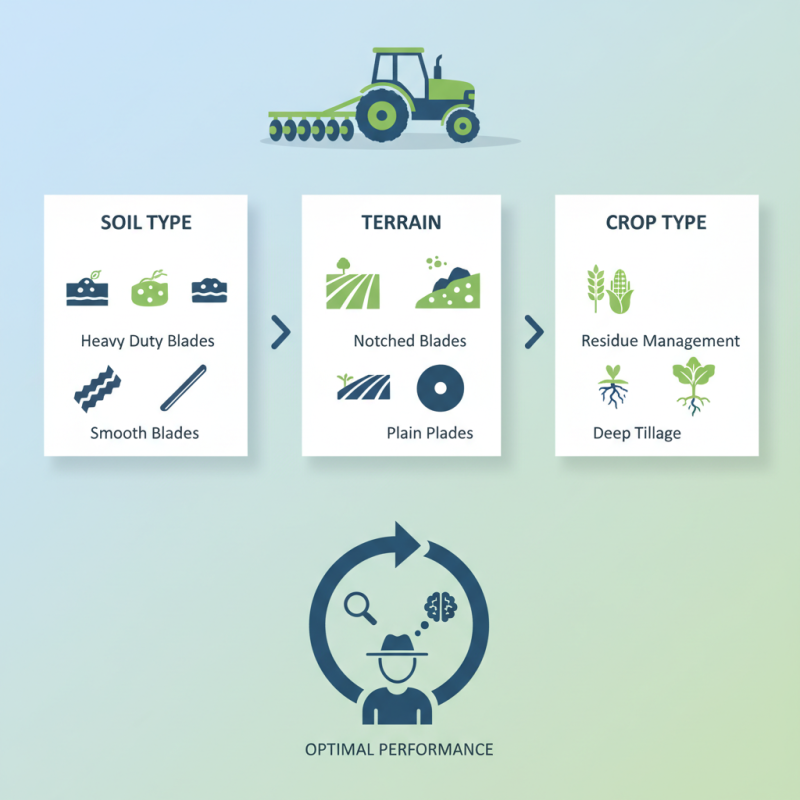
Farmers must consider factors like soil type, terrain, and crop type when selecting 20 Inch Disk Blades. However, many overlook these nuances. The industry's failure to address these details can lead to inefficiencies. Reflecting on this, it's essential to prioritize thorough research over convenience to ensure the best outcomes for farming operations.
Understanding the Purpose and Functionality of 20 Inch Disk Blades
When considering 20-inch disk blades, it's essential to understand their purpose and functionality. Disk blades are primarily used in tillage and soil preparation. They efficiently cut through soil and residue, promoting better seedbed preparation. According to a report by the Agricultural Equipment Manufacturers Association, the right disk blade can improve soil penetration by up to 40%. This efficiency is crucial for farmers seeking optimal crop yields.
The design and material of disk blades significantly influence their performance. High-carbon steel blades tend to be more durable, providing less wear over time. A study by the International Journal of Agricultural Research highlighted that blades with a specific curvature engage soil more effectively, reducing the number of passes needed. However, some users overlook these factors, resulting in inadequate soil management.
Additionally, selecting the proper blade size matters. While 20-inch blades are common, some operators may need larger or smaller options based on their equipment and soil type. An analysis of farming practices revealed that mismatched blade sizes can lead to uneven soil distribution, affecting crop growth. Awareness of these details is imperative for achieving desired farming outcomes.
Assessing Material Types: Steel vs. Tungsten Carbide for Durability
When selecting 20-inch disk blades, durability is a key consideration. Two prevalent materials are steel and tungsten carbide. Each offers distinct advantages and disadvantages that affect performance in various applications.
Steel blades are generally more flexible. They can absorb shock better and withstand impacts from rocky soil. However, they wear down faster. A report by the Agricultural Engineering Research Institute states that high-carbon steel blades typically last between 500 and 800 acres before needing replacement.
On the other hand, tungsten carbide blades are renowned for their hardness. They resist wear much better than steel, allowing them to last up to five times longer. Yet, this comes at a cost—both in terms of financial investment and potential brittleness. As per a study from the International Journal of Agricultural Mechanics, while tungsten carbide blades can perform well in tough conditions, they are more susceptible to breaking when facing very rocky environments. It's essential to evaluate soil conditions and operational needs when choosing a material.
Ultimately, consider the trade-offs between the initial cost and long-term performance. Steel may require more frequent replacements but offers lower upfront expenses. Conversely, tungsten carbide’s longevity can justify its initial investment. Reflect on your specific agricultural demands and conditions to select the right blade material for your needs.
Evaluating Blade Thickness and Design for Optimal Performance
When selecting 20-inch disk blades, understanding blade thickness and design is crucial for ensuring optimal performance. Reports indicate that blade thickness impacts durability and cutting efficiency. Thicker blades often resist bending and wear, making them suitable for tough soil conditions. However, they may also require more power to operate effectively. This trade-off warrants careful evaluation of your specific needs.
Blade design also plays a significant role in performance. Curved or scalloped designs can improve soil flow and reduce drag, increasing overall efficiency. Studies have shown that these designs lead to better soil mixing and less surface disruption. Pay attention to the material used in manufacturing, as high-quality materials can enhance longevity and effectiveness under various conditions.
Tip: Consider testing different blade models on a small plot before full implementation. This hands-on experience allows you to assess their performance firsthand, reducing the risk of a poor investment.
Understanding your working conditions and operational goals can guide you in making informed decisions about blade selection. Keep in mind that what works for one situation may not work for another. Choosing the right blade is a balance of multiple factors rather than a one-size-fits-all solution.
Optimal Performance of 20 Inch Disk Blades: Blade Thickness and Design Comparison
Comparing Brands: Key Industry Leaders and Their Specifications
When it comes to choosing the best 20-inch disk blades, understanding the key players in the market is essential. Several manufacturers offer distinct features and specifications that can influence performance. Each brand focuses on different materials and designs that cater to various needs. Some may emphasize durability, while others prioritize cutting efficiency. Researching these brands helps you pinpoint the right tool for your tasks.
Tips: Pay attention to the blade material. High-quality steel can provide improved longevity and resistance to wear. Also, keep in mind the weight of the blade. Heavier blades may cut deeper but can be more challenging to handle.
Another important aspect is compatibility. Not all disk blades fit every type of machinery or application. Double-check the specifications to ensure a proper fit. Reflect on how you intend to use the blades. If it's for light tasks, a less robust blade can suffice. For heavier jobs, you might need something more durable. This consideration can save you time and money in the long run.
Maintenance Tips to Extend the Lifespan of Disk Blades
Disk blades play a crucial role in farming equipment. Proper maintenance can significantly increase their lifespan. Regular cleaning is essential. After each use, dirt and debris should be removed. This prevents rust and damage. Use a wire brush or pressure washer for effective cleaning.
Storage also impacts durability. Store blades in a dry and cool place. Moisture can lead to corrosion. Hanging them off the ground is a good practice. Inspect the blades regularly for any signs of wear. Look for cracks or excessive dullness. Identifying issues early can save you money on replacements.
Sharpening blades is another important maintenance step. Use a sharpening tool designed for disk blades. Properly sharpened blades cut better and require less power. Failing to sharpen can lead to larger problems. It could cause the blades to wear out faster. Taking care of your disk blades ensures they perform optimally for longer.