
Blog

2026 How to Choose the Best Drip Line Irrigation Hose?

When selecting a Drip Line Irrigation Hose, understanding its impact on efficient water usage is crucial. According to the Irrigation Association, drip irrigation can reduce water usage by up to 60%. However, not all hoses are created equal. Different materials and sizes cater to various needs in agriculture and gardening.

The right drip line can significantly influence plant health and yield. Research indicates that consistent moisture levels improve crop performance and reduce runoff. However, many consumers overlook factors like hose durability and emitter spacing, which are essential for optimal performance.

It's essential to educate oneself about these variables. Many users have reported issues with clogs or uneven watering. Regular maintenance plays a role, but choosing the right Drip Line Irrigation Hose from the start can minimize these challenges. Investing in quality can lead to sustainable benefits both environmentally and financially.
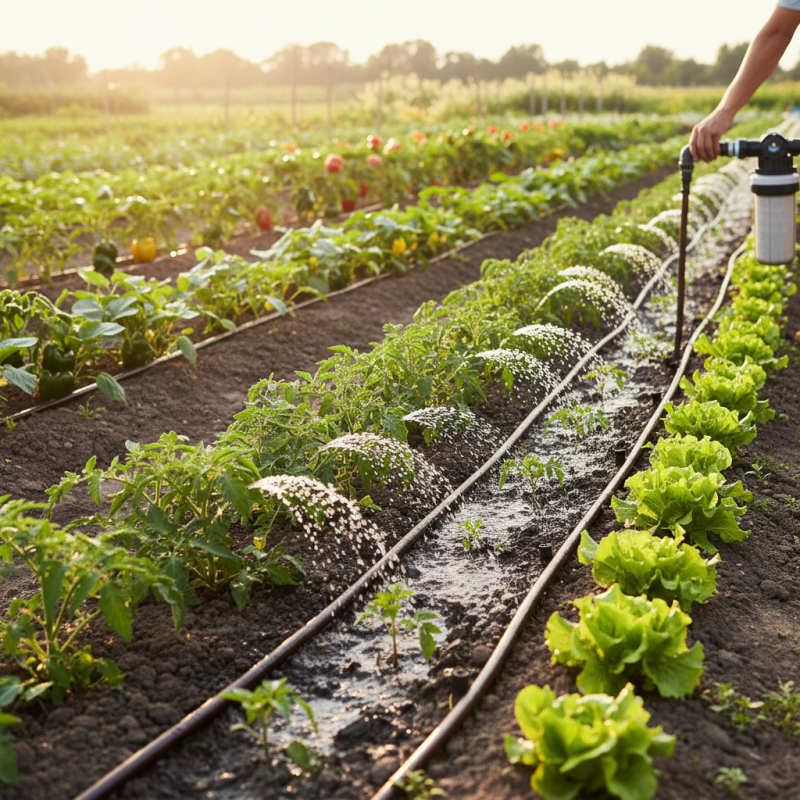
2026 How to Choose the Best Drip Line Irrigation Hose?

Understanding Drip Line Irrigation: Key Concepts and Benefits

Drip line irrigation is an efficient way to nourish plants. It delivers water directly to the root zone. This method minimizes wastage and evaporation. The key concept is precision. Water only flows where it is needed. This saves both water and money.

Understanding the benefits of drip line irrigation is essential for gardeners. It reduces the risk of fungal diseases. Soil remains consistently moist without overwatering. This method encourages deep root growth, promoting healthier plants. Additionally, it is adaptable. Gardeners can adjust water flow according to plant needs. This flexibility can lead to better yields.

While there are strengths, there are also challenges. Installation can be complex for beginners. Choosing the right hose type matters significantly. Some systems may clog over time. Regular maintenance ensures efficiency. Reflecting on these issues can help in future decisions. Drip irrigation, when done right, can transform a garden.

Factors to Consider When Choosing Drip Line Irrigation Hose

When choosing a drip line irrigation hose, consider several vital factors. The hose material significantly impacts durability and functionality. Common options include polyethylene and PVC. Data from the Irrigation Association indicates that durable hoses can increase system longevity by up to 30%. Using a hose that can withstand various environmental conditions is also essential for optimal performance.

Another critical aspect is the hose diameter. A standard diameter ranges from 1/4 inch to 1/2 inch. The right size affects water flow rate and pressure; smaller diameters can lead to higher friction loss. According to research, improper sizing can waste up to 20% of water used in irrigation systems. Flow rate consistency is crucial for even moisture distribution.

Installation ease shouldn’t be overlooked. Some hoses require extensive setup, while others can be easily laid out. Complexity can lead to mistakes and customer frustration. A user-friendly installation process ensures better adoption and maintenance. Reflecting on these aspects can help achieve a more efficient irrigation system.

Types of Drip Line Irrigation Hoses Available on the Market

When selecting a drip line irrigation hose, it's essential to understand the types available on the market. Various materials are used, each offering unique advantages. For example, polyethylene hoses are flexible and easy to install. They work well in garden beds and borders.

Another option includes soaker hoses. These are specifically designed to release water along their length. They provide even moisture to plants while minimizing water waste. However, they may clog over time and require regular maintenance. Choosing the right type depends on your specific gardening needs.

Consider the hose diameter too. Smaller diameters are suitable for home gardens, while larger ones work well for commercial applications. Check the watering capacity and pressure ratings as well. Each option presents its set of pros and cons to consider. It's crucial to refine your choice based on your watering needs and garden layout.

Installation Tips for Effective Drip Line Irrigation Systems

Drip line irrigation systems are a game-changer for efficient water usage in gardening and agriculture. Installing these systems requires attention to detail to ensure effectiveness. Begin by selecting the right dripper spacing. According to a study by the Irrigation Association, proper spacing can increase water efficiency by up to 30%. Too close together may saturate the soil, while too far apart can lead to dry patches.

Before installation, consider your soil type. Sandy soils drain quickly, while clay-rich soils retain water longer. For sandy soils, place emitters about 12 inches apart. In clay soils, spacing can extend to 18 inches. This tailored approach optimizes water distribution and plant health.

Pipe layout is critical too. Using a consistent gradient helps water flow evenly. Ensure that your mainline is slightly elevated, allowing gravity to assist in distribution. Remember, any kinks or leaks in the hose will reduce efficiency. According to research, leaks can waste up to 25% of the water flow, highlighting the importance of regular maintenance checks. This is an often-overlooked aspect that can impact your irrigation system’s overall performance.

2026 Drip Line Irrigation Efficiency Comparison

Maintenance Practices for Longevity of Drip Line Irrigation Hoses

Maintaining drip line irrigation hoses is crucial for ensuring their longevity and efficiency. According to industry reports, proper maintenance can extend hose life by up to 50%. Regular inspections are essential. Check for clogs, leaks, and signs of wear. These issues can lead to uneven watering and reduced crop yields.

Cleaning hoses is another vital practice. Flushing them with clean water removes debris. A mix of vinegar and water can tackle mineral buildup. Research indicates that hoses with regular cleaning perform better, delivering consistent flow rates. However, over-cleaning can damage the material, so it’s important to find a balance.

Storage also plays a key role in hose maintenance. Extreme temperatures can impact hose durability. Ideally, store hoses in a shaded or climate-controlled area. Protecting them from crushing or kinking is important. Even minor damage can lead to significant problems over time. Balancing these maintenance practices is critical for maximizing the lifespan of your irrigation system. Neglect can lead to costly repairs.

By continuing to use the site, you agree to the use of cookies. more information

The cookie settings on this website are set to "allow cookies" to give you the best browsing experience possible. If you continue to use this website without changing your cookie settings or you click "Accept" below then you are consenting to this.

Close