How to Choose the Best Home Textile Fabric for Your Needs?
Choosing the right home textile fabric is essential for creating a comfortable and stylish living space. According to a report by the Home Textile Association, the home textile industry is projected to grow by 5% annually. Selecting the right fabric can significantly impact the overall aesthetic and functionality of your home. Industry expert Emily Chen emphasizes, “The right fabric can transform a house into a home.”
When considering home textile fabric, think about your lifestyle and the specific needs of your household. For instance, families with children might prefer durable and easy-to-clean materials. On the other hand, those who prioritize luxury might explore options like silk or high-quality cotton. There is always a balancing act between style and practicality.
However, many people overlook the importance of texture and longevity. While a fabric might look appealing, it’s crucial to consider how it will wear over time. As you explore the world of home textile fabric, keep in mind that the best choice often requires a deeper reflection on your unique needs.
Understanding Different Types of Home Textile Fabrics
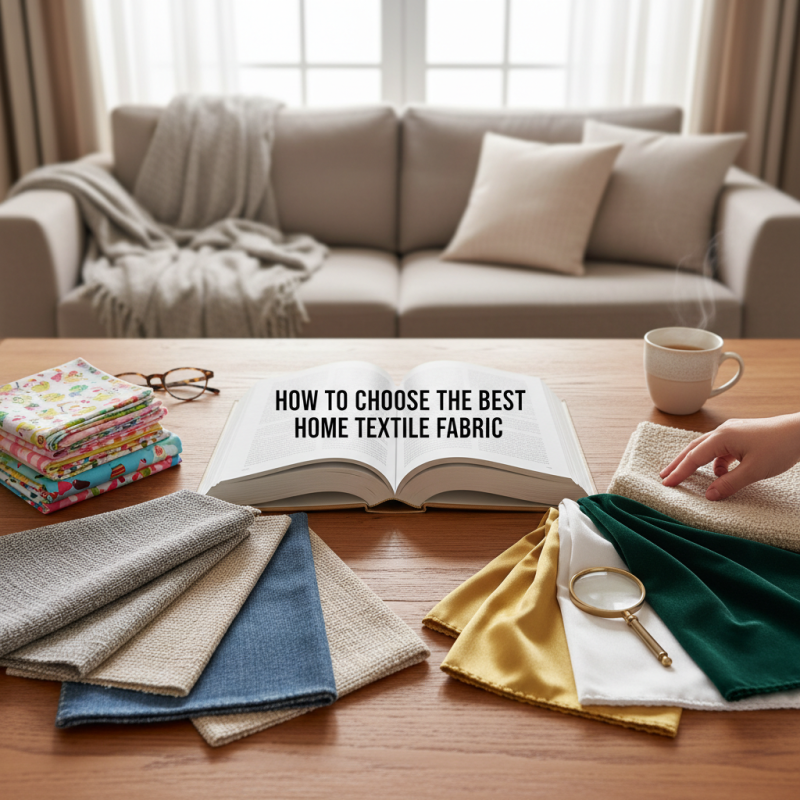
When selecting home textile fabrics, understanding the different types is essential. Various fabrics serve different purposes and enhance the overall aesthetic. Popular choices include cotton, linen, polyester, and velvet. Each fabric varies in texture, durability, and maintenance needs. According to industry reports, cotton remains a top choice for its breathability and comfort, constituting around 40% of the home textile market.
Linen, known for its rich texture, is also gaining popularity, appealing to eco-conscious consumers. However, linen can wrinkle easily and may require more upkeep. Polyester is favored for its resistance to stains and fading. It is important to consider the specific needs of a space when choosing fabric. For example, high-traffic areas should avoid delicate fabrics like silk.
Tips: Consider the fabric weight. Heavier fabrics provide better insulation, while lighter fabrics add a breezy touch. Think about how often you wash these items. Some fabrics, like cotton, are easier to clean than others. Always check the care instructions to avoid potential issues. Reflecting on these aspects can guide you to make the right choice for your home textiles.
Assessing Durability and Maintenance Requirements for Fabrics
When choosing home textile fabrics, durability is crucial. Some fabrics wear out quickly, while others last for years. According to a report by the Association of Home Textile Manufacturers, high-quality polyester can withstand over 15,000 rubs before showing wear. This makes it ideal for furniture and curtains.
Maintenance is another aspect to consider. Some fabrics are easy to clean, while others require special care. For example, microfiber can be wiped clean easily, often requiring just a damp cloth. In contrast, silk may need dry cleaning, increasing long-term maintenance costs.
We often overlook the need for fabric longevity. Many choose appealing designs without considering durability. A beautiful upholstery fabric can fade or fray. It's essential to strike a balance between aesthetics and practicality. Analyze cleaning instructions before purchase. Long-lasting fabrics may require more effort upfront but can save time and money in the long run.
Considering Aesthetics: Color, Pattern, and Texture Choices
When choosing home textile fabrics, aesthetics play a pivotal role. Color choices can dramatically affect mood. Bright tones energize a space, while soft pastels create a calming atmosphere. Consider natural light and room size when making your selection. A small room may feel overwhelming with dark colors.
Patterns also add character to your textiles. Floral designs can evoke a cheerful vibe, while geometric patterns offer a modern touch. However, mixing too many patterns can confuse a space. Opt for one dominant pattern and complement it with solids. This balance is essential for visual harmony.
Texture is another dimension to explore. Soft fabrics like velvet provide a cozy feel. Linen, on the other hand, brings a more casual vibe. Reflect on how you want to feel in each room. Too much texture can feel chaotic. A smooth finish on some items can bring relief to a tactile overload. Finding the right combination requires thought and a willingness to experiment.
Evaluating Comfort and Functionality for Everyday Use
When choosing home textile fabrics, comfort and functionality are essential. Fabrics can affect your daily life. Soft materials can enhance relaxation. Think about the textures against your skin. A cozy blanket or plush cushion can make your space inviting.
Pay attention to durability, too. Not all fabrics withstand wear. Cotton and linen are breathable but may fade over time. Synthetic options often resist stains, but they can feel less natural. It's a balance. For bedroom textiles, consider how they feel while you sleep. Do they support your ideal temperature? Over time, you may find certain fabrics irritate your skin.
Evaluate the maintenance requirements. Some fabrics need special care to look good. If you have pets or kids, stains can become a concern. Easy-to-clean materials could save you time and stress. Ultimately, the best choice meets your comfort needs while fitting your lifestyle. Each decision reflects your personal taste and daily habits.
Budgeting: How to Find Quality Fabrics within Your Price Range
Finding quality home textile fabrics within a budget can be tricky. You want something that looks good and lasts long. Start by researching various materials. Cotton, linen, and blends can offer a good balance of quality and cost. Check local stores and online platforms to compare prices. Sometimes, discounts or seasonal sales are available. Don't forget to read customer reviews. They often highlight fabric durability and comfort.
Consider the type of project you’re working on. A simple cushion cover might not require the same quality as upholstery for a sofa. Focus on the specific needs of each item. Aim for something that matches your style but remains affordable. Sampling can help too. Purchasing small swatches can prevent costly mistakes. It’s easy to get enamored with beautiful fabrics, but remember to factor in your budget.
Set a clear limit for how much you're willing to spend. If you find a fabric that's perfect but too expensive, think twice. Can it be substituted? Will it last? Reflecting on these questions is key. Balancing quality and price is not always easy. It requires patience and careful consideration.
Home Textile Fabric Quality vs. Price