
Selecting the right 1 Pole Circuit Breaker is crucial for any electrical system. A well-chosen circuit breaker protects your home and devices from overcurrent and short circuits. Yet, many people find this task daunting.
When considering a 1 Pole Circuit Breaker, examine your electrical load requirements. Each circuit serves specific appliances, lighting, or equipment. You must match the breaker’s capacity to the load. This connection is vital. Misjudgment can lead to circuit failures or potential hazards.
Consider the environment as well. A circuit breaker must withstand certain conditions, like humidity or temperature fluctuations. Not all products suit every situation. Reflecting on your unique needs helps avoid unnecessary risks and additional costs. Ultimately, the right choice can enhance safety and function in your electrical system.
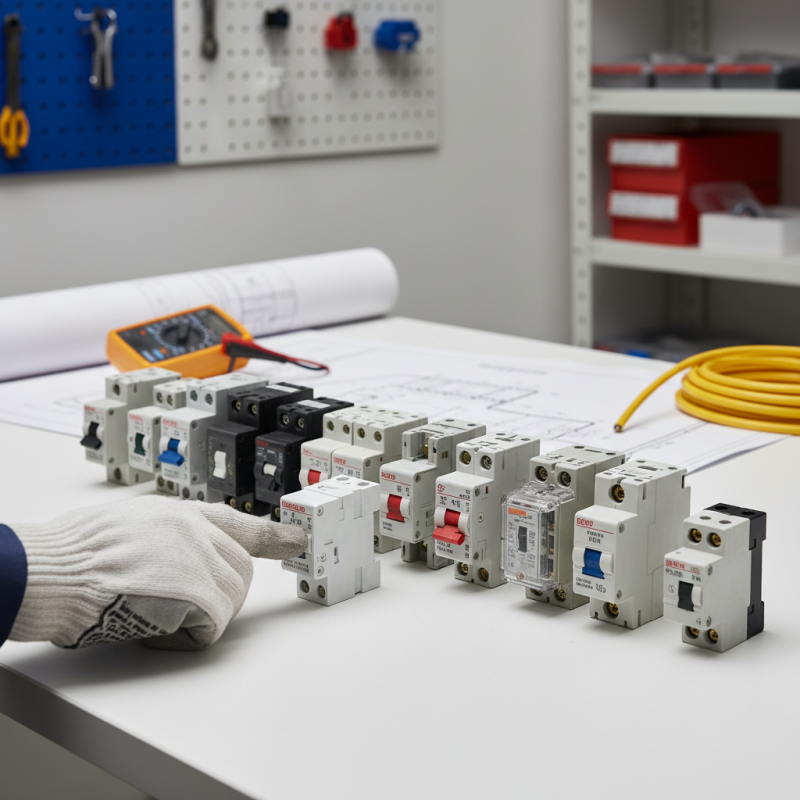
A one-pole circuit breaker is essential for protecting your electrical circuits. It acts as a switch that automatically shuts off the power when there is an overload or short circuit. By doing so, it helps prevent damage to your appliances and reduces the risk of fire. Understanding its functionality is key to making the right choice for your needs.
When selecting a one-pole circuit breaker, consider the load it will handle. Different circuit breakers are rated for various amperages. A common mistake is underestimating the required amperage. This can lead to frequent tripping or failure to protect adequately. Another detail to ponder is compatibility with your existing electrical panel. Not all breakers fit all panels.
Installation often appears straightforward, but it can be tricky. Improper installation may cause malfunctions. Therefore, whether you do it yourself or hire an expert, ensure it’s done correctly. Additionally, think about the environment where the breaker will be used. Wet or humid areas may require specific types to ensure safety.
Choosing the right 1 pole circuit breaker begins with understanding your electrical needs. A report by the National Electrical Manufacturers Association (NEMA) notes that most residential circuits operate at 15 or 20 amps. Knowing this helps you match the breaker to your home’s requirements. Overestimating or underestimating can lead to hazards or inefficiencies.
Consider the appliances and systems in use. For example, kitchen appliances may need a higher amp rating. If your microwave demands 1,200 watts, you'll need a circuit rated for 15 amps or more. Misjudging these requirements often leads to nuisance tripping or equipment damage.
Moreover, voltage considerations are essential. Most homes use 120-volt systems. Yet, if you're in a unique setup, different voltage ratings may apply. A misstep here can create compatibility issues. Many users overlook this detail. Understanding voltage ensures you select a circuit breaker that functions well with your home’s systems. Be meticulous; even small oversights can have significant impacts.
Choosing the right 1 pole circuit breaker requires careful consideration of ampacity and voltage ratings. Ampacity refers to the maximum current a breaker can handle. For a safe installation, you need to match the breaker’s rating with your system's requirements. It’s crucial to not underestimate this aspect. Overloading a circuit breaker could lead to premature failure.
Voltage ratings indicate the maximum voltage the breaker can handle safely. A mismatch here can be dangerous. Always check the voltage level in your electrical system. A breaker rated for a lower voltage may fail under high demand.
Remember, it’s important to account for peak loads. Many users overlook this, leading to insufficient protection. The environment where the breaker operates also matters. Some settings may require different ratings or features. Always stay informed about your specific needs for a reliable circuit breaker choice.
When selecting a 1 pole circuit breaker, assessing features and safety standards is crucial. Start by understanding the current rating. This determines how much current the breaker can handle before tripping. A breaker's capacity should match your electrical load. Underestimating this can lead to frequent trips, causing inconvenience. Overestimating it can pose dangers of overheating.
Safety standards play a vital role too. Look for certifications that ensure the breaker meets industry guidelines. Devices with UL or IEC markings are generally more trustworthy. These standards indicate that the breaker has undergone rigorous testing for performance and safety. Additionally, consider the breaking capacity, which indicates the highest short-circuit current a breaker can handle before failing. This is essential for protecting your home from electrical faults.
Moreover, assess installation ease. Some breakers are designed for simpler setups, while others may require a professional's help. Reflect on your skills before deciding. It’s okay to seek assistance if you're unsure. Choosing the right breaker is important, but don’t rush the process. Reviewing all features carefully can save costs and enhance safety in the long run.
| Feature | Description | Safety Standard | Current Rating (A) | Price Range ($) |
|---|---|---|---|---|
| Trip Mechanism | Electromechanical or Thermal Magnetic | UL 489 | 10 - 50 | 15 - 60 |
| Mounting Type | DIN Rail or Panel Mount | IEC 60898 | 10 - 40 | 20 - 80 |
| Voltage Rating | 240V or 120V options | CSA C22.2 | 15 - 60 | 25 - 100 |
| Additional Features | LED Indicator, Remote Control, Smart Functionality | IEC 60947 | 10 - 100 | 30 - 150 |
When choosing a 1 pole circuit breaker, understanding costs and brands is crucial. A recent report from the National Electrical Manufacturers Association indicates that prices can vary significantly based on features. Basic models may cost around $10, while advanced models can exceed $50. This price difference often reflects quality and durability.
One tip is to pay attention to the specifications. Look for breakers that comply with the latest safety standards. It’s wise to consider your specific needs. A common mistake is opting for the cheapest option without assessing the installation environment. Cheaper models may not handle certain loads effectively.
Another aspect to consider is energy efficiency. According to analysis from the Electrical Engineers' Association, choosing energy-efficient breakers can lead to savings on utility bills. These models might have a higher upfront cost but can save more in the long run. Don't overlook the brand reputation either. Researching customer reviews can unveil hidden flaws or outstanding features.
Take time to analyze different offers. Compare not only prices but also warranties and support services. This can make a significant impact on your satisfaction with the purchase. Keep track of your specific requirements to make an informed decision on the right circuit breaker for your needs.
By continuing to use the site, you agree to the use of cookies. more information
The cookie settings on this website are set to "allow cookies" to give you the best browsing experience possible. If you continue to use this website without changing your cookie settings or you click "Accept" below then you are consenting to this.