How to Choose the Best High Current PCB Terminal for Your Project?
Selecting the right High Current PCB Terminal is crucial for any engineering project. This component plays a major role in ensuring efficient power distribution. According to the latest industry report by Electronics Weekly, the demand for high current terminals is projected to grow by 15% annually. This increase comes from emerging technologies that require reliable connectivity in compact designs.
John Smith, a leading expert in PCB design, emphasizes, "Choosing the right terminal can dramatically impact performance." His insight highlights the significance of understanding specifications like current ratings, material types, and size. Engineers often overlook these details, which can lead to performance issues and project delays.
High Current PCB Terminals are vital for applications in automotive, aerospace, and industrial sectors. Selecting the improper terminal may lead to overheating or failures, necessitating a careful approach. With the rise of electric vehicles and renewable energy systems, the implications of terminal selection have never been more critical.
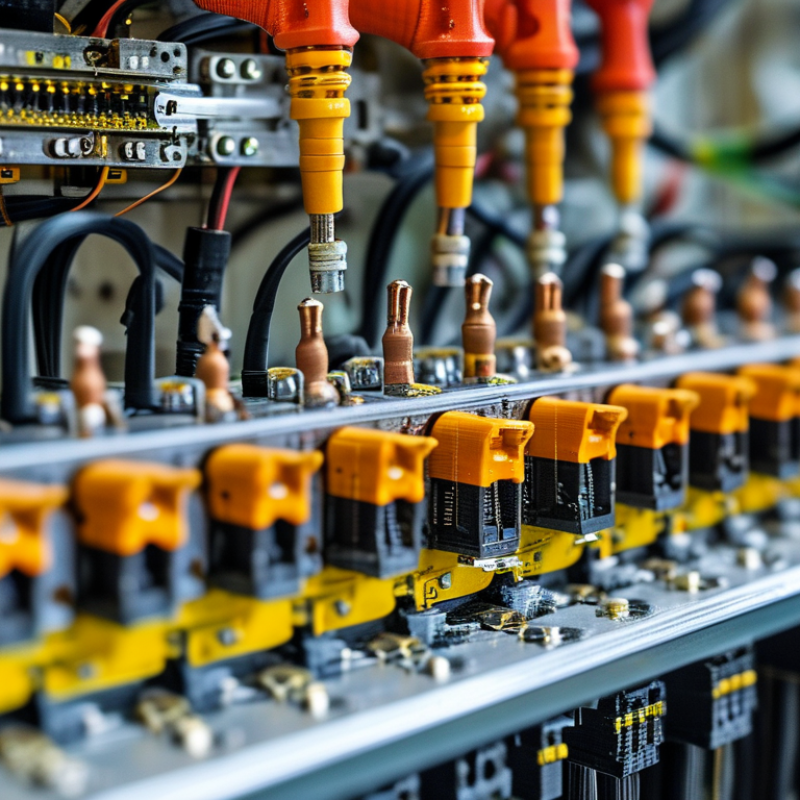
Factors to Consider When Selecting High Current PCB Terminals
When selecting high current PCB terminals, several crucial factors should be thoroughly evaluated. One key consideration is the current rating. Terminals should align with the specific needs of your project. According to industry data, terminals rated for 20A to 100A are commonly used in high power applications. However, using a terminal with a higher rating than necessary may lead to increased costs and unnecessary bulk.
Another factor to examine is the material used in the terminal construction. Copper is a popular choice due to its excellent conductivity. Yet, aluminum may be used for lightweight applications. Each material has advantages and trade-offs. Factors like thermal resistance and corrosion resistance significantly impact the terminal’s performance over time. Data indicates that over 30% of premature failures in electrical connections are due to poor material selection.
Furthermore, terminal design and footprint are vital considerations. Make sure the dimension of the terminal fits your PCB layout. A mismatch could lead to assembly challenges. Users often overlook the cable entry and orientation. Improper orientation can restrict airflow, leading to overheating. Understanding these elements will ensure reliable and efficient current handling in your project.
Types of High Current PCB Terminals Available in the Market
When it comes to high current PCB terminals, understanding the types available is essential for your project. The market offers several choices, including screw terminals, spring terminals, and blade connectors. Each type has its own unique features and applications. Screw terminals provide a strong and reliable connection, ideal for higher power requirements. Spring terminals are excellent for quick connections, offering ease of use. Blade connectors are suitable for situations where space is limited and provide a reliable mating connection.
In selecting the right type, consider the specific needs of your project. Voltage and current ratings are critical factors. Ensure the terminal can handle the maximum load your application demands. Additionally, think about the environment where the PCB will be used. High humidity or extreme temperatures may require certain terminal types with better environmental resistance. The choice can be overwhelming, but understanding these elements can guide you.
Reflect on your project’s requirements before making a decision. Sometimes, the best option isn't the most popular one. Testing different terminal types in your design can reveal unexpected benefits or challenges. Exploring these nuances will lead to a more robust and effective final product.
Understanding Current Ratings and Their Importance in Terminals
When selecting a high current PCB terminal, understanding current ratings is vital. Current ratings indicate the maximum amperage a terminal can handle safely. Exceeding this limit can lead to overheating or damage. Therefore, knowing your project's requirements will guide you in making the right choice.
Different applications demand varying current ratings. Consider factors like the operating environment and expected loads. Are you working with high voltages or sensitive electronics? This knowledge will allow for better decision-making. Pay close attention to the specifications. An overestimated rating may result in failure during crucial moments.
Evaluate your project's unique needs carefully. It’s important to account for future expansions or unexpected surges. A terminal that seems perfect today may fall short tomorrow. Check the manufacturer's guidelines and reliability records. It’s advisable to seek terminals backed by solid engineering practices.
A reliable terminal can significantly enhance the overall performance of your circuit. Test your components in the actual working environment before final decisions. Sometimes, practical experiences reveal insights that specifications may not cover. Don't rush the selection process; the right terminal can make all the difference.
How to Choose the Best High Current PCB Terminal for Your Project?
| Terminal Type | Current Rating (A) | Voltage Rating (V) | Wire Gauge | Material | Mounting Style |
| Screw Terminal | 30 | 600 | 16 - 12 AWG | Copper | Through Hole |
| Spring Clamp Terminal | 20 | 500 | 18 - 14 AWG | Brass | Snap-In |
| PCB Edge Connector | 25 | 300 | 20 - 16 AWG | Nickel-Plated Copper | Surface Mount |
| Male/Female Header | 15 | 250 | 22 - 20 AWG | Gold-Plated | Through Hole |
| Terminal Block | 40 | 750 | 14 - 10 AWG | Tin-Plated Copper | Screw Terminal |
How to Evaluate Compatibility with PCB Design and Layout
When selecting a high current PCB terminal, evaluating compatibility with your PCB design and layout is crucial. The terminal must fit seamlessly into the overall design. Start by reviewing the dimensions and spacing in your layout. A terminal that doesn't match these specifications can lead to issues like improper connections.
Consider the current rating as well. High current applications demand terminals that can handle the load without overheating. Look at the material used for the terminal. Copper is common due to its conductivity, but finish matters too. A reliable surface can enhance durability and performance.
Reflect on the mounting method as well. Some terminals require different techniques, like through-hole or surface mount. Choose a method that aligns with your PCB design for easier assembly. Compatibility isn't just about how things fit; it's about ensuring the entire assembly operates reliably under load. Each decision contributes to a robust design.
Best Practices for Installation and Maintenance of PCB Terminals
When installing PCB terminals, pay close attention to the layout. Ensure that components have enough clearance. This helps prevent overheating and short-circuiting. Proper spacing allows for cooling and easier maintenance. Use appropriate tools for tightening screws. Avoid over-tightening, as this can damage both the terminal and the PCB.
Regular maintenance is crucial for the longevity of your terminals. Inspect connections periodically for signs of wear or corrosion. Clean the terminals with isopropyl alcohol to remove dirt or oxidation. It’s important to avoid harsh chemicals that can damage the materials.
Here are a few pointers: choose quality materials for connections. Opt for gold or silver-plated terminals to enhance conductivity. Make sure connectors match your current load requirements. Testing connections during setup can save time later. Frequent checks during your project will help ensure reliability and performance.
High Current PCB Terminal Selection Criteria
This bar chart illustrates the importance of various criteria when selecting high current PCB terminals for a project. The criteria include current rating, temperature range, voltage rating, size, and mounting type, with current rating being the most important factor.