How to Choose the Best Welding Protection Gear for Safety?
Welding is a skilled trade that involves various hazards, making safety paramount. Choosing the right Welding Protection gear can significantly reduce the risk of injury. Many welders overlook this crucial aspect. Ignoring proper safety equipment can lead to serious consequences.
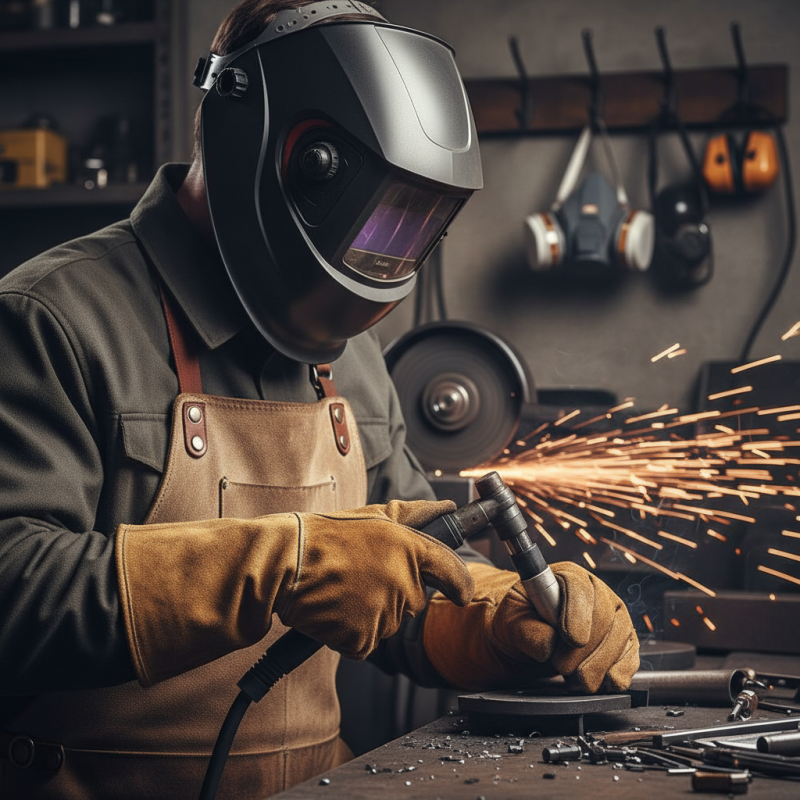
Welding protection includes helmets, gloves, and protective clothing. These items defend against burns, sparks, and harmful rays. A good helmet should fit well and provide clear visibility. Protective gloves must be heat-resistant and durable. However, some welders may choose gear based on price, not quality. This can be a risky mistake.
Balancing comfort and protection is not easy. Some welders feel restricted by heavy gear. This discomfort can lead to improper usage. Reflecting on your choices is essential. Investing time in selecting the right welding protection gear can enhance safety and performance.
Understanding the Importance of Welding Protection Gear
Welding protection gear is crucial for ensuring safety in the workplace. The welding process involves intense heat, bright light, and harmful fumes. According to the American National Standards Institute (ANSI), over 50% of welders report experiencing eye injuries due to inadequate protection. This highlights the importance of choosing the right gear for optimal safety.
In addition to eye protection, proper clothing is vital. Flame-resistant clothing can prevent severe burns. A study by the Occupational Safety and Health Administration (OSHA) found that around 30% of welding injuries are due to improper attire. Many welders overlook this aspect. They might wear regular clothing, thinking it’s sufficient. However, this can expose them to significant risks. Choosing the right gloves also matters. They should provide dexterity while protecting against heat and sparks.
Despite these recommendations, many in the industry tend to underestimate the risks. It’s easy to become complacent with safety gear. Some may even believe they're invulnerable. Yet, workplace statistics reveal that injuries can happen to anyone. It's a sobering reminder. Prioritizing safety gear can mean the difference between a minor mishap and a major injury. Being thoughtful about protection gear is not just smart; it’s essential.
Essential Types of Welding Protection Equipment to Consider
Choosing the right welding protection gear is critical for safety. The essential welding protection equipment includes helmets, gloves, protective clothing, and respiratory gear. Each piece plays a vital role in safeguarding welders from hazards.
Welding helmets are fundamental. They protect the eyes and face from sparks and harmful radiation. Look for helmets with auto-darkening features. This technology allows for quick adjustments to varying light conditions. Studies suggest that nearly 50% of welding injuries involve eye damage.
Gloves should offer flexibility, heat resistance, and durability. Welding gloves come in various materials. Leather is common for its sturdiness. Some gloves have heat-resistant features that safeguard against burns. Reportedly, 30% of workplace injuries occur from improper hand protection.
Tip: Regularly inspect your gear for wear and tear. Safety equipment loses effectiveness over time. Don't wait for visible damage.
Replace worn items promptly. Protective clothing is equally important. It must cover the entire body to reduce exposure to sparks and heat.
Fabrics like cotton blended with flame-resistant materials offer excellent protection. A report indicated that
25% of burn injuries in welding are due to inadequate protective clothing.
Tip: Always choose the right size for your gear.
Ill-fitting clothing can lead to accidents. Make sure your protective gear allows for
comfortable movement while preventing exposure.
Evaluating the Safety Ratings and Standards for Gear
When selecting welding protection gear, safety ratings and standards are crucial. Different geographies have varying regulations. Finding local standards can be daunting. Yet, understanding these is essential for safety.
Look for gear that meets established safety certifications. These ratings often reflect the gear's ability to withstand heat, sparks, and other hazards. Higher ratings usually mean better protection. Manufacturers sometimes complicate their claims with confusing terminology. Don't get lost in jargon; focus on what it means for your safety.
Consider the specific threats you’ll face. For instance, if working with MIG welding, look for gear designed for it. Materials should resist sparks and abrasions effectively. Don’t forget about comfort and visibility. Hot gear can lead to fatigue. Often, people overlook the importance of regular maintenance. Simply washing or inspecting gear can prolong its life and enhance safety. Make sure to assess your gear frequently. Always be ready to replace it when standards drop.
Tips for Selecting the Right Size and Fit for Comfort
When selecting welding protection gear, comfort is key. A proper fit can make a big difference. Ill-fitting gear can be restrictive and can cause distractions during work. Take the time to choose wisely.
Begin by measuring your body accurately. Consider using a tape measure for this task. Make sure to measure key areas like the chest and waist. Try on different sizes to find the best one. Remember, sizes can vary between designs. A size that fits in one gear may not fit in another.
Look for adjustable features such as straps and cuffs. They can enhance the fit significantly. Pay attention to the length of sleeves and pants. You want coverage without restriction. If something feels off, it’s okay to re-evaluate your choices. Your comfort should not be underestimated. An ideal fit boosts morale and productivity. Ensuring the right size can prevent fatigue and irritation during tasks.
Maintaining and Caring for Your Welding Protection Gear
Welding protection gear is essential for safety. However, it requires careful maintenance to ensure it lasts. Regular inspections are a must. Check for rips or tears in gloves and aprons. A small hole can turn into a serious hazard.
Cleaning your gear is equally important. Dust and debris can accumulate, affecting its protective qualities. Use mild soap and water to clean your equipment. Avoid harsh chemicals, as they can damage materials. After cleaning, allow your gear to air dry completely. This process helps prevent molds and odors.
Storing your gear properly is crucial too. A tangled mess in a corner won't keep it safe. Use a designated storage space that is cool and dry. Avoid high humidity areas. Regularly replacing worn-out items can feel tedious. Still, outdated gear won’t offer the protection you need. Regular maintenance and care will keep your welding gear in good shape, maximizing its lifespan and safety features.