How to Choose Heavy Duty Magnet Clips for Global Sourcing?
Global sourcing of heavy duty magnet clips requires more than comparing unit prices. Buyers must assess holding force, coating quality, dimensions, packaging, and supplier consistency. A clip that holds 5 kilograms in a laboratory may perform differently on a painted steel cabinet. Real-world contact matters.
The global magnet supply chain also deserves careful attention. The U.S. Geological Survey’s Mineral Commodity Summaries 2024 identifies China as the leading producer of rare earth materials, including inputs used in some high-performance magnets. This concentration can affect lead times, pricing, and supply continuity. Meanwhile, UNCTAD’s Review of Maritime Transport 2023 highlights continuing exposure to freight disruption and route volatility. Therefore, a responsible sourcing plan should verify material origin, production capacity, export documentation, and backup logistics.
Performance must be measured, not assumed. Request pull-force testing, salt-spray results, temperature limits, and sample photos before approving a factory. For neodymium models, confirm the grade, nickel-copper-nickel coating, magnet orientation, and protective housing. Ferrite options may cost less and resist corrosion better, but they usually provide lower force for the same size. Small details matter.
The search phrase “Magnet Clipsheavy Duty” may attract broad results, yet it does not define a technical specification. That is a weakness worth recognizing. Buyers should convert the phrase into measurable requirements, such as a 50-millimeter clip width and a verified 10-kilogram holding force. Reports from Grand View Research on magnetic materials can support market benchmarking, but supplier test evidence remains more decisive. Experienced sourcing teams should compare at least three audited suppliers, inspect production samples, and review failure data before making a global purchase. Mistakes happen. Strong documentation makes them easier to detect.
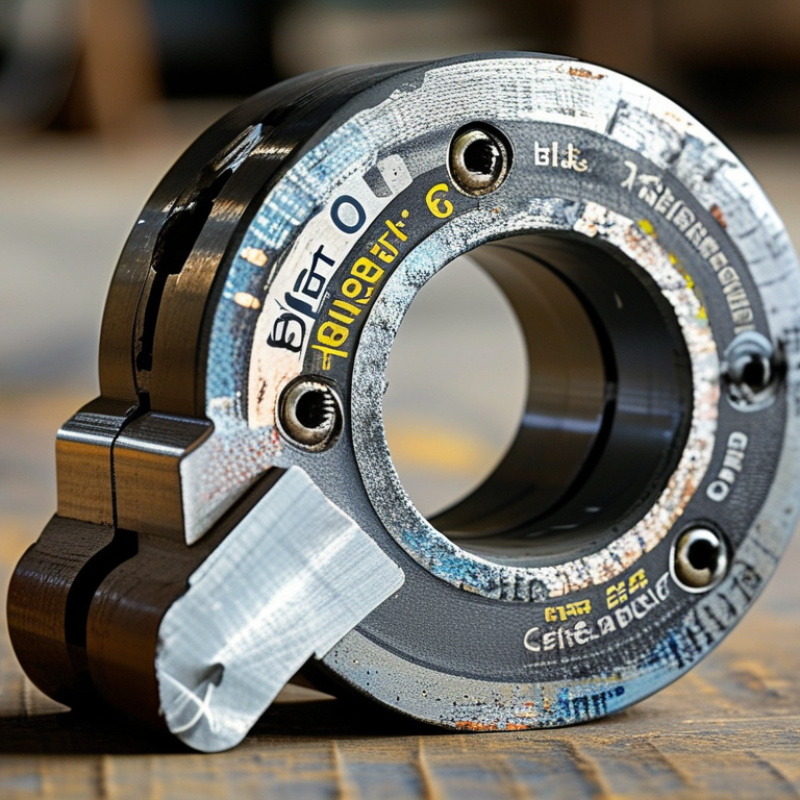
Define Heavy Duty Magnet Clip Types and Their Applications
Heavy duty magnet clips are not one universal product. Their type determines holding strength, corrosion resistance, and handling safety. Neodymium pot clips suit steel cabinets, warehouse labels, fixtures, and compact display systems. Ferrite clips offer lower cost and better temperature stability for noticeboards or light-duty storage. Rubber-coated versions protect painted surfaces and reduce sliding on smooth panels.
Clip geometry matters as much as magnet grade. A hinged clip supports repeated opening, while a spring clamp grips paper bundles or cables. Multi-pole designs can improve contact on thin steel sheets. Pot magnets concentrate force through a steel cup, but their rated pull often assumes a clean, flat surface. Real assemblies rarely meet that condition. Test the real assembly. Dust, paint thickness, air gaps, and sideways loads can reduce performance sharply.
Sourcing decisions should also consider material availability. The U.S. Geological Survey reported approximately 390,000 metric tons of global rare-earth oxide mine production in 2024, compared with about 350,000 tons in 2023. Growth does not remove supply risk. The U.S. Department of Energy’s 2023 Critical Materials Assessment also identifies rare-earth elements as important for many advanced technologies. Ask suppliers for magnet grade, coating data, working temperature, pull-force test conditions, and batch consistency. Small parts, serious loads. I still see buyers selecting clips by advertised force alone; that is convenient, but not reliable enough for global procurement.
Compare Materials, Coatings, Sizes, and Structural Designs
When sourcing heavy-duty magnet clips, start with the working environment, not the catalog photograph. Steel bodies resist impact, while stainless steel handles humid storage areas more reliably. Neodymium magnets offer strong holding force in compact clips, but ferrite can suit larger, cost-sensitive assemblies. Ask suppliers for magnet grade, surface treatment, and measured pull data. Strong is not a specification. Include temperature limits, too. A clip near machinery may lose performance when heat rises.
Coatings deserve a practical test. Zinc plating can protect ordinary steel during indoor use, while epoxy or nickel finishes may better resist moisture and handling marks. Salt-spray data helps, but it does not perfectly reproduce your warehouse. I prefer samples exposed to condensation, dust, and repeated opening. Small scratches matter. They often become rust points. I once accepted a visually clean clip before checking its coating thickness. That was a poor decision and a useful reminder.
Size should match both load and grip geometry. Measure the magnet face, clip opening, wire diameter, and available clearance. Pot-style housings usually shield the magnet and concentrate force against flat steel. Enclosed designs protect the magnet from side impacts, while rubber pads reduce sliding on painted surfaces. Check whether the clip holds vertically, overhead, and during vibration. Request tolerance drawings, batch inspection records, and a repeatable load test. Advertised capacity may assume ideal steel contact. Real cabinets have paint, gaps, and uneven panels. A pilot order is wiser than trusting one impressive sample.
Check Safety Standards, Durability, and Environmental Resistance
How to Choose Heavy Duty Magnet Clips for Global Sourcing?
Heavy duty magnet clips should be evaluated beyond their advertised holding force. Request clear test reports for the target market and application. Check material declarations, coating safety, and relevant electrical or chemical restrictions. A clip used near machinery needs stable magnetic performance and secure housing. Exposed magnets may create pinch hazards or damage sensitive equipment. Ask whether the stated load applies to a clean steel surface, not painted or uneven metal.
Durability depends on more than thick metal. Review pull-force testing, repeated-use cycles, joint strength, and corrosion results. For outdoor or coastal use, request salt-spray and humidity data. Temperature changes can weaken adhesives and distort plastic parts. I have seen attractive samples fail after repeated opening because the hinge was overlooked. A factory inspection helps, but one inspection cannot replace ongoing quality checks. That limitation deserves honest attention.
Tips: Order samples from different production batches. Test them on your actual panels, at real angles, and with expected loads. Check performance after vibration, moisture exposure, and repeated handling. Ask suppliers for traceable reports, inspection records, and corrective-action details. Do not rely on a single laboratory number. Confirm packaging protects the clips from scratches and magnetic contact during transport. Small details matter.
Assess Suppliers, Customization Options, Pricing, and Logistics
Choosing heavy duty magnet clips starts with supplier evidence, not catalog photos. Ask for material grades, magnet dimensions, tested pull force, and coating details. A reliable supplier shares batch records, inspection methods, and clear tolerance ranges. Request samples from the intended production line. Test them on painted steel, uneven surfaces, and refrigerated doors. Measure holding force after repeated opening and closing. Small differences matter. A clip that holds well in a showroom may slip during transport.
Customization should match the real application. Confirm clip color, jaw shape, magnet grade, corrosion-resistant finish, and packaging style. Ask about minimum order quantities, tooling fees, sample charges, lead times, and payment terms. Compare landed cost, not only unit price. Include packaging, freight, insurance, and import charges. The first quote may look attractive. I once chose a cheaper option, then paid more for thicker protective packaging after damaged samples arrived. That decision needed better planning.
Logistics requires written checkpoints. Confirm carton dimensions, gross weight, pallet requirements, export documents, and product classification. Ask how magnets are protected during air or ocean transport. Moisture barriers and separators can prevent scratches and surface corrosion. Set inspection dates before production, packing, and shipment. Leave a buffer for port delays and seasonal congestion. My planning is not perfect. A detailed delivery schedule still cannot remove every risk, but it makes supplier conversations more honest and useful.