Why Choose Hotel Key Cards for Your Business Needs?
In today's competitive hospitality industry, the choice of a proper access solution is crucial. Hotel key cards are becoming increasingly popular for managing guest access. A recent report by Hospitality Technology indicates that 73% of hoteliers recognize the importance of security in enhancing guest experiences. This underscores the value of hotel key cards, which provide both convenience and safety.
Hotel key cards are more than just access tools; they symbolize a modern hotel experience. The market for these cards is projected to grow significantly, by 12% annually by 2025, according to a study by Research And Markets. This growth reflects their adaptability to various business needs. However, challenges such as malfunctioning cards and inconsistent guest instructions can affect user satisfaction.
Implementing hotel key cards requires careful consideration. Understanding guest preferences and technology can enhance security and personalization. While choosing hotel key cards may seem straightforward, businesses must reflect on their specific requirements and potential pitfalls. A strategic approach will ultimately offer the best results for both management and guests.
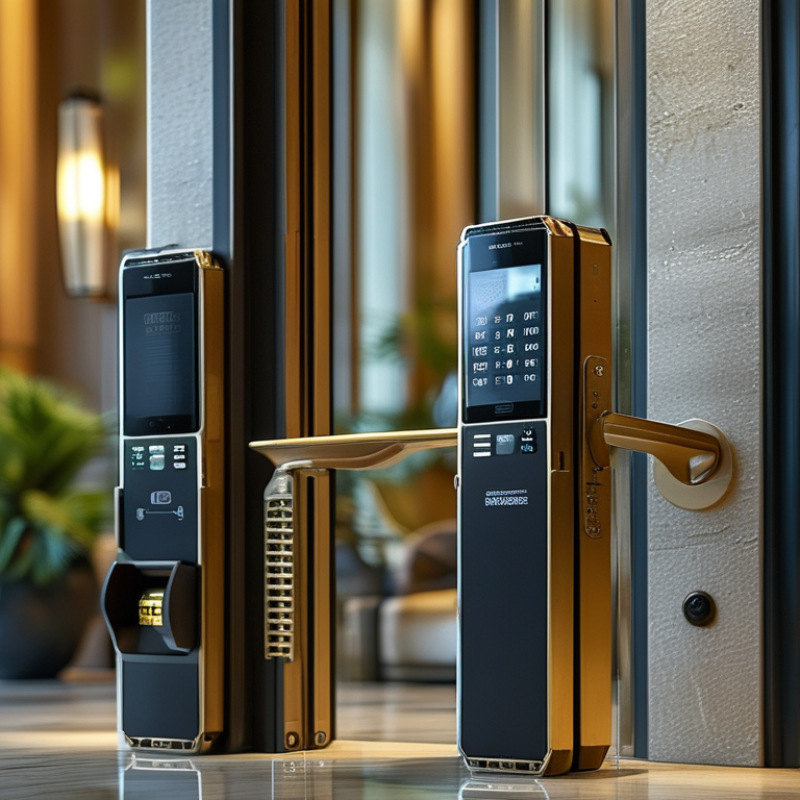
Benefits of Using Hotel Key Cards in Modern Business Operations
In today's fast-paced business environment, hotel key cards offer several advantages. They provide seamless access control to various areas within a facility. Guests and employees appreciate the convenience of not carrying traditional keys. This technology also enhances security. Lost or stolen cards can be deactivated quickly, minimizing risks.
One effective tip is to incorporate customizable key cards. Businesses can use these cards for branding purposes. This small step can increase visibility and create a professional atmosphere. Additionally, consider using cards with embedded technology. Such features can track who accesses specific areas and at what times. This data helps in understanding traffic patterns and improving operations.
As businesses embrace hotel key cards, it's essential to address potential drawbacks. Some users may find technology confusing. Proper training can mitigate this. Always seek feedback. Listening to user experiences can uncover areas for improvement. Balancing technology with human touch remains vital. Emphasizing both benefits and challenges ensures a smoother transition to key card systems.
Types of Hotel Key Cards and Their Functionality
When selecting hotel key cards, it’s essential to understand the various types available and their unique functionalities. Magnetic stripe cards are among the most common. They work like traditional credit cards. This simple technology is easy to use but can wear out or get demagnetized over time. Users may face frustration when trying to access their rooms.
Another option is RFID key cards. These cards use radio frequency to unlock doors. They are more durable and often more secure than magnetic cards. Guests can keep them in their wallets without worry. However, RFID technology can be costlier to implement.
There are also smart cards, which combine multiple functions. They can serve as payment methods and access cards. While they offer great versatility, the complexity can lead to user challenges. Some guests may struggle to understand how to use these cards effectively. Choosing the right type of hotel key card requires weighing the benefits against potential drawbacks. Balancing usability and cost is crucial for any establishment.
Cost-Effectiveness of Hotel Key Card Systems for Businesses
When it comes to managing a hotel or hospitality business, cost-effectiveness is crucial. Hotel key card systems offer an economical solution. They reduce costs associated with traditional lock and key systems. This modern approach minimizes the need for frequent replacements and locksmith services.
Implementing a key card system can streamline operations. Staff can easily monitor room access. This saves time and reduces the likelihood of loss or theft. Additionally, the initial investment in key card technology can quickly pay off through its efficiency.
Tips: Consider investing in energy-efficient systems. Use key cards to control lighting and heating in guests' rooms. This not only cuts costs but enhances the guest experience too. You may face challenges during setup. A thorough training process for your staff can alleviate this.
Regular reviews of access logs can help identify trends. Monitoring usage can lead to further refinements in your operations. A flexible approach allows for constant improvement in managing costs and guest satisfaction.
Enhancing Security with Hotel Key Cards: A Comprehensive Overview
Hotel key cards are essential for enhancing security in today's hospitality industry. According to a report by the Global Hotel Security Trends, over 60% of hoteliers identified key card systems as crucial for safeguarding guest information. These cards replace traditional keys, making unauthorized access more challenging. Unlike standard keys, hotel key cards can be easily deactivated if lost or stolen, significantly reducing security risks.
Moreover, modern key card systems often include advanced encryption technologies. A study from the International Hotel Technology Association revealed that 80% of hotels using encrypted key cards reported fewer incidents of unauthorized access compared to those using traditional systems. This encryption not only protects against physical breaches but also secures electronic data, adding another layer of protection for guests.
Despite these benefits, not all hotels have upgraded their security measures. Approximately 30% of hotels still rely on outdated locking systems, increasing the risk of unauthorized entry. Regular audits and updates are necessary to ensure that a hotel's security measures align with contemporary standards. A proactive approach in adopting advanced key card technology can bolster a hotel's reputation and enhance guest trust.
Integrating Hotel Key Cards with Smart Technology Solutions
Smart technology solutions have transformed the hospitality industry. Integrating hotel key cards with these advancements enhances both guest experience and security. A report by the International Hotel Association indicates that 75% of hotels now use smart key systems. These systems are sleek, efficient, and convenient for guests.
Key cards can easily connect with mobile applications. Guests can manage their bookings and unlock their rooms using their smartphones. This integration offers a seamless experience and reduces the need for physical contact. Data security is enhanced as well, making it easier for hotels to protect guest information.
Tip: Ensure compatibility between your existing systems and new technology. This will prevent operational disruptions.
Another consideration is energy management. Smart key cards can sync with energy systems. They automatically control lighting and climate when guests enter or leave rooms. This feature contributes to sustainability initiatives within the hospitality sector.
Tip: Regularly update software to maintain security standards. Outdated applications can leave your systems vulnerable.