Top Tips for Choosing Industrial Hand Gloves for Safety
Choosing the right Industrial Hand Gloves is crucial for workplace safety. Many industries rely on these gloves to protect their employees. According to Dr. Sarah Thompson, a safety expert with over 15 years of experience, "The right gloves can prevent serious injuries and improve overall productivity."
In manufacturing, construction, and warehousing, the risks are high. Workers face hazards like cuts, burns, and chemical exposure daily. Selecting gloves that provide adequate protection without sacrificing dexterity is a challenge. Many workers underestimate the importance of proper glove choice. A wrong fit or inadequate material can lead to severe consequences.
Investing time in understanding the types of Industrial Hand Gloves is essential. Decisions should consider material, fit, and specific safety standards. Not all gloves are suitable for every task. Workers must be trained on proper usage and maintenance. It’s not just about compliance; it’s about creating a culture of safety.
Understanding the Importance of Industrial Hand Gloves for Safety
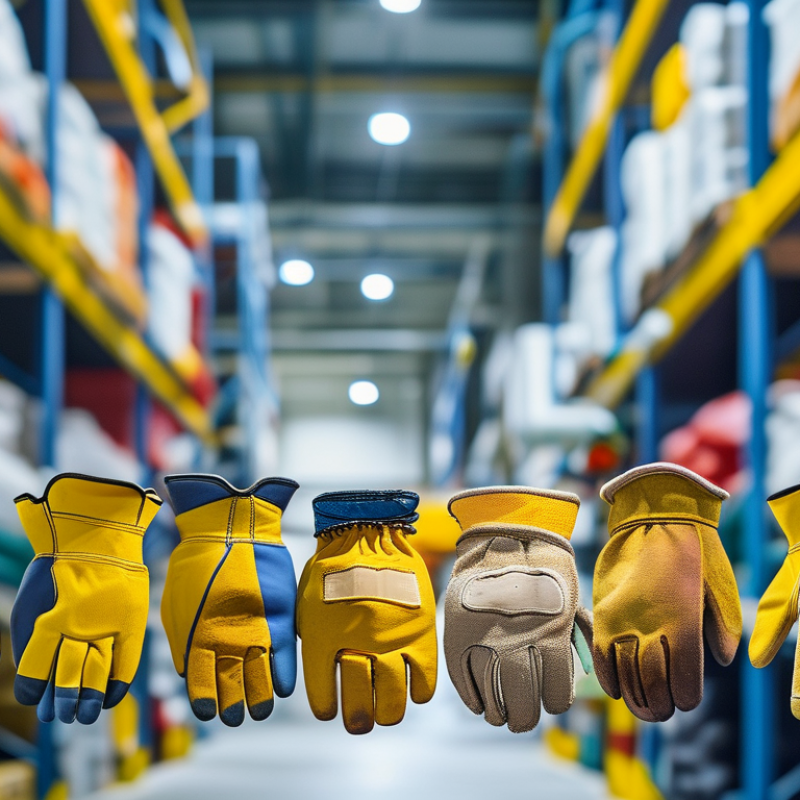
Industrial hand gloves play a critical role in ensuring safety across various work environments. These gloves protect workers from cuts, abrasions, and exposure to hazardous materials. Understanding the importance of selecting the right gloves is essential for preventing injuries.
When choosing gloves, consider the material. Nitrile, leather, and Kevlar offer different levels of protection. Nitrile is excellent for chemical resistance, while leather provides durability.
Evaluate the specific risks in your workplace.
Fit is another key factor. Gloves should fit snugly but not restrict movement. A loose glove can easily get caught in machinery, leading to accidents. Try on multiple sizes to find the right one.
Don’t overlook maintenance. Regularly inspect gloves for signs of wear and tear. Damaged gloves can compromise safety. Keep a log of when gloves were used and replaced to ensure compliance with safety standards.
Types of Industrial Hand Gloves and Their Specific Uses
Industrial hand gloves come in various types, each tailored to specific tasks and environments. For instance, cut-resistant gloves are essential in industries like construction and manufacturing. These gloves are made from high-performance materials, providing protection against sharp objects. This is vital for workers handling blades or glass.
Another type is chemical-resistant gloves. They are crucial for workers in laboratories and chemical processing plants. These gloves can withstand exposure to hazardous substances. However, not all gloves offer broad-spectrum protection, making it important to select gloves based on the specific chemicals involved.
Finally, there are insulated gloves. These are necessary for tasks involving extreme temperatures, whether hot or cold. They keep hands safe from burns and frostbite. While these gloves offer great protection, they might reduce dexterity. Workers should consider comfort and grip when choosing insulated options.
Choosing the right gloves requires careful thought. Safety is pivotal, and the wrong gloves can lead to injuries.
Key Factors to Consider When Selecting Hand Gloves for Protection
Choosing the right industrial hand gloves is essential for safety. Various factors come into play when selecting gloves for protection. The type of material is crucial. Leather, rubber, and synthetic options each serve unique purposes. For instance, leather offers good abrasion resistance, while rubber provides excellent chemical protection. Knowing the specific tasks you’ll perform helps narrow your choices.
The fit of the gloves is another important aspect. Ill-fitting gloves can lead to accidents or injuries. They may slip off or restrict movement. Proper sizing ensures that you can work efficiently. Look for gloves with adjustable features for a better fit. Ensure that your fingertips can still feel the necessary textures.
Consider the level of dexterity required. Some tasks demand precise hand movement. Thicker gloves may impede this. However, ultra-thin gloves might not provide adequate safety. Finding a balance is key. Reflect on your specific needs and challenges. It’s worth testing different options to identify what feels right. Listening to feedback from coworkers can also guide your decision-making process. The right gloves should protect while still allowing you to perform your tasks with confidence.
Top Tips for Choosing Industrial Hand Gloves for Safety
This chart illustrates the effectiveness of various glove materials in providing protection against different hazards. Selecting the right type of glove is crucial for ensuring worker safety.
Best Practices for Maintaining and Inspecting Safety Gloves
Maintaining and inspecting safety gloves is crucial in any industrial setting. Research from the National Safety Council indicates that proper glove maintenance can reduce hand injuries by up to 40%. Regular inspections help identify wear and tear. This proactive approach ensures that gloves remain effective in protecting workers from hazards.
When inspecting gloves, focus on key areas like punctures, tears, and degradation. A study highlighted that over 30% of hand injuries occur due to the use of compromised gloves. It’s essential to check for proper fit as well. Ill-fitting gloves can lead to decreased dexterity and increased accidents. Workers should be trained to recognize signs of damage.
Storage practices matter too. Gloves should be kept in a clean, dry environment away from direct sunlight. Recent data suggest that improper storage can decrease glove lifespan by 50%. Regular training on glove care and inspection can foster a culture of safety. Engaging workers in the inspection process increases awareness and promotes better practices. It’s a collective responsibility for safety in the workplace.
Regulations and Standards for Industrial Hand Gloves in the Workplace
When selecting industrial hand gloves, understanding regulations and standards is crucial. These rules ensure that gloves provide adequate protection against workplace hazards. Many industries follow guidelines set by organizations like OSHA and ANSI. These standards help employers choose gloves based on specific tasks and risks. Compliance not only enhances safety but also minimizes potential liabilities.
Choosing the right gloves can be tricky. Different materials offer various levels of protection. For example, cut-resistant gloves are vital in manufacturing settings. In contrast, chemical-resistant gloves are necessary for labs. It’s vital to assess the risks associated with specific jobs. Regularly reviewing the effectiveness of chosen gloves is essential. Employers should maintain an open dialogue with workers about their experiences.
While standards exist, the application may vary. Not all gloves are suitable for every task, leading to potential safety gaps. Employees sometimes use gloves that don't meet their specific needs. Training is key to ensuring the appropriate gloves are used effectively. Employers should prioritize ongoing education about regulatory updates and safety practices. The focus should always be on creating a safer work environment.