
Blog

How to Choose Restroom Stall Walls for Your Space?

When planning a restroom, choosing the right Restroom Stall Walls is crucial. These walls define privacy and comfort. They also impact the overall design and functionality of the space. With various materials available, it's essential to consider your needs and those of the users.

Durability is a key factor. For high-traffic areas, materials like plastic laminate or solid plastic work well. They resist wear and tear. However, aesthetic appeal is also important. Colors and textures can enhance the ambiance. Still, striking the right balance between practicality and style can be challenging.

Moreover, don't underestimate the importance of maintenance. Some materials require more upkeep than others. It's worth reflecting on how often your stalls will be cleaned. If your maintenance staff is limited, opt for easier-to-clean choices. Remember, restroom stall walls should serve their purpose while contributing positively to the experience of every user.
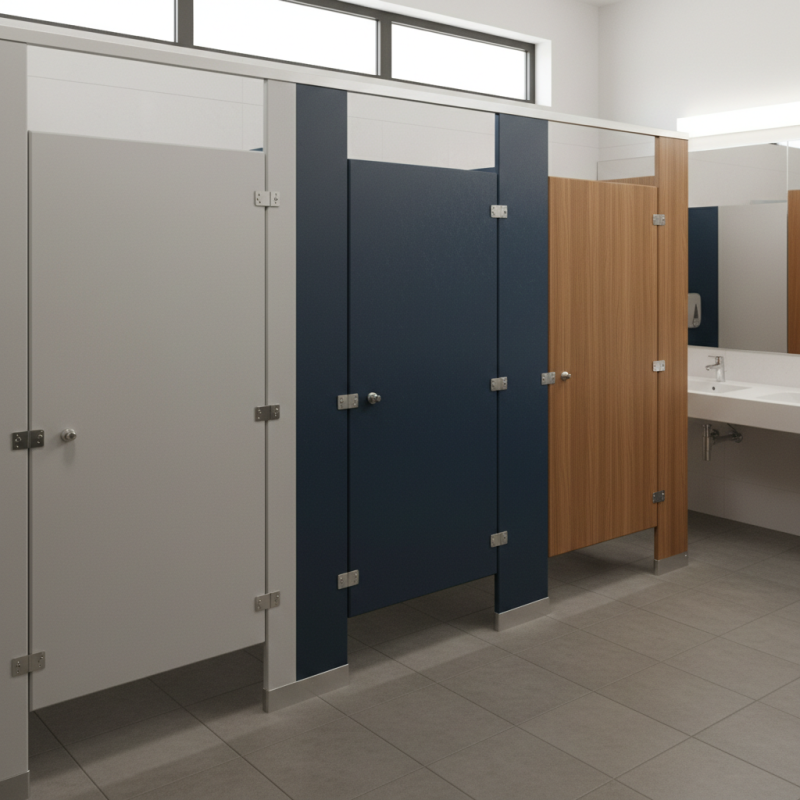
How to Choose Restroom Stall Walls for Your Space?

Understanding the Different Types of Restroom Stall Wall Materials

Choosing restroom stall wall materials is crucial. Different materials offer various benefits. Each type has its challenges. Understanding these can help you make the best choice for your space.

Metal partitions are durable and easy to clean. They resist moisture and graffiti. However, they can dent easily. This may require maintenance over time. You should consider this factor if your restroom will see heavy use.

Fiberglass-reinforced plastic (FRP) is another option. It is lightweight, resistant to corrosion, and can withstand impact. But, it tends to discolor over time. This can affect the overall appearance of your restroom.

Tips: Think about your restroom traffic. High-traffic areas need sturdier materials. Pay attention to maintenance needs. Some materials require more upkeep than others. This can add to your costs.

Finally, consider the aesthetic. Are you aiming for modern or classic designs? Your choice of materials will greatly influence the overall look. Choosing the right wall material is a balancing act between function and design.

Assessing Durability and Maintenance Requirements for Stall Walls

When selecting restroom stall walls, it’s crucial to consider durability and maintenance. According to industry reports, materials like stainless steel and high-pressure laminates are increasingly popular due to their resistance to wear and tear. Stainless steel, for example, can withstand harsh conditions and is easy to clean. In contrast, while wood looks appealing, it often requires more maintenance and may not hold up as well over time.

Choosing a stall wall material also impacts maintenance costs. A study published by the Facility Management Journal noted that the total cost of ownership, including maintenance, is significantly lower for non-porous materials. This factor can save facilities a considerable amount in the long run, especially in high-traffic areas.

Tips: Opt for materials that can resist staining and moisture, like solid plastic. Regular cleaning with appropriate solutions can extend the life of stall walls. Consider the environment; some materials may not be sustainable, leading to future regret. Reflect on what your space truly needs, rather than following trends blindly.

Evaluating Privacy Features and Design Aesthetics

When selecting restroom stall walls, privacy features are crucial. According to a recent survey, 75% of users prioritize privacy when using public restrooms. The materials you choose can significantly impact perception. Solid plastic and laminated systems provide better acoustics compared to steel. However, steel offers durability, which can be appealing in high-traffic areas.

Design aesthetics also play a significant role. Attractive restroom environments can enhance user satisfaction. Reports indicate that well-designed restrooms can increase customer retention by 30%. Incorporating colors and textures that reflect your brand can create a more inviting space. However, balance is key. Overly busy designs can detract from the sense of privacy.

Consider your audience when making choices. Families may want different features than professionals. Additionally, the layout can influence how private each stall feels. Inadequate spacing can lead to discomfort. Think about how materials and designs come together to create not just functional, but also aesthetically pleasing stalls. Reflect on your offerings. Are they meeting the needs of your users effectively?

Considering Cost and Budget for Restroom Stall Walls

When considering restroom stall walls, cost and budget are crucial factors. According to the 2021 Restroom Design Report, nearly 45% of facility managers cite budget constraints as their top concern. The material chosen impacts both upfront costs and longevity. For example, plastic laminate walls can be less expensive initially but may require more frequent replacements, adding long-term costs.

Budgeting is not just about initial purchase price. Maintenance expenses also play a significant role. Studies indicate that metal stall walls may cost 20% more upfront but can last twice as long as lower-cost materials. Operators often overlook this when planning budgets. It leads to unexpected expenses, forcing facilities to reconsider their choices.

Be mindful of installation costs, too. Some materials may have higher labor expenses due to their installation complexity. This added cost can inflate the budget significantly. Industry experts recommend assessing the total cost of ownership for restroom stall walls, not just the sticker price. Balancing immediate budget constraints with long-term usability is a key challenge in restroom design. Unforeseen expenses can derail even the best-laid plans.

Cost Analysis for Restroom Stall Walls

Compliance with Building Codes and Accessibility Standards

Selecting restroom stall walls requires careful attention to compliance with building codes and accessibility standards. These regulations are crucial for ensuring that facilities meet the needs of all users. According to the U.S. Access Board, 2010 Standards for Accessible Design dictate specific dimensions and configurations for restrooms. For instance, stalls must allow a minimum width of 60 inches to accommodate individuals using mobility aids.

Moreover, any restroom design should adhere to local building codes. These codes vary, but many require at least one accessible stall in public restrooms. Studies show that about 20% of the population lives with some form of disability, highlighting the necessity of accessibility. While many facilities make an effort, some still fall short, leading to frustration for users.

Choosing stall materials is also vital. Non-porous surfaces are ideal as they allow for easier cleaning and sanitation. However, even with the best materials, restrooms can still suffer from poor maintenance. Insufficient cleaning routines can reveal the stark reality of hygiene issues, counteracting the purpose of compliance. Addressing these challenges requires ongoing training for custodial staff and regular audits of restroom conditions.

By continuing to use the site, you agree to the use of cookies. more information

The cookie settings on this website are set to "allow cookies" to give you the best browsing experience possible. If you continue to use this website without changing your cookie settings or you click "Accept" below then you are consenting to this.

Close