How to Choose the Best Bamboo Toilet Roll for Eco-Friendly Living?
In recent years, eco-friendly products have gained much attention. One such product is the Bamboo Toilet Roll. This sustainable option offers a green alternative to traditional toilet paper. Bamboo grows quickly, making it a renewable resource. Choosing the right Bamboo Toilet Roll can significantly impact your environmental footprint.
When selecting a Bamboo Toilet Roll, consider its manufacturing process. Some brands use harsh chemicals, which can negate their eco-friendly claims. Look for products marked as organic or sustainably sourced. Also, think about the packaging. Biodegradable options reduce waste and pollution.
In your search, quality matters. Softness and durability are crucial, as poor-quality rolls can lead to more waste. Yet, finding a balance can be challenging. Some eco-friendly brands might sacrifice comfort for sustainability. This creates a dilemma for consumers who want the best of both worlds. By carefully researching your options, you can make a well-informed choice that supports both your comfort and the planet.
Understanding the Environmental Benefits of Bamboo Toilet Paper
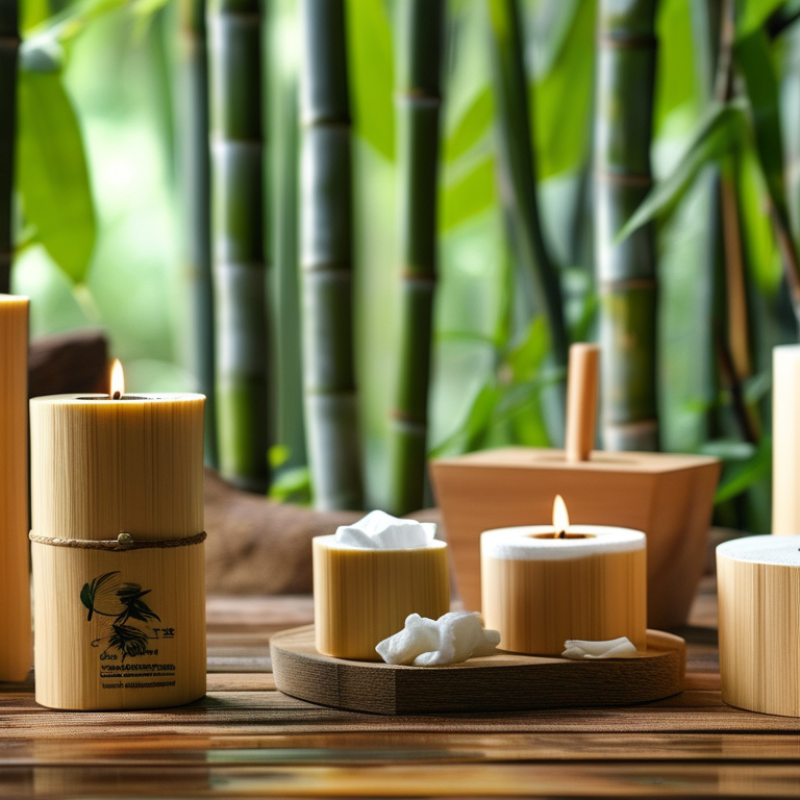
Bamboo toilet paper offers significant environmental advantages over traditional options. Bamboo grows incredibly fast, reaching maturity in just three to five years. In contrast, trees used for conventional toilet paper can take decades to mature. Data from the World Wildlife Fund indicates that over 27,000 trees are cut down each day for paper products. By switching to bamboo, we can lessen the demand for trees and help preserve forests.
The production of bamboo toilet paper is also more sustainable. Bamboo absorbs more carbon dioxide than hardwoods and can produce 30% more oxygen. According to the Journal of Cleaner Production, the carbon footprint of bamboo paper is up to 65% lower than that of regular paper. Additionally, bamboo farming typically requires less water and fewer pesticides. This means that using bamboo paper contributes to less chemical runoff in our ecosystems, benefiting local wildlife.
However, not all bamboo toilet paper is created equal. Some brands may still use harmful bleaching agents. Additionally, packaging can be a concern, as some may use plastic. Consumers need to consider these factors when making a switch. Overall, bamboo toilet paper presents a viable alternative, but buyers should look for environmentally friendly certification to ensure their choice truly benefits the planet.
Identifying Key Features to Look for in Bamboo Toilet Rolls
When choosing bamboo toilet rolls, consider the source and sustainability. Look for brands that source bamboo from responsibly managed forests. This ensures that the product is eco-friendly and contributes to conservation efforts. Additionally, check if the bamboo is biodegradable. This feature is vital for minimizing waste in landfills.
Another key feature is the softness and durability of the rolls. Some bamboo toilet papers may feel rough or break easily. It’s important to find a balance between comfort and strength. Reading user reviews can provide insights into the product’s texture and performance in real-life use.
Lastly, packaging plays a role in the overall eco-friendliness. Opt for rolls that come in recyclable or compostable packaging. Some products may even use soy-based inks, which are a better alternative. Reflect on the entire lifecycle of the product, from material sourcing to disposal. This awareness can enhance your eco-friendly living experience.
How to Choose the Best Bamboo Toilet Roll for Eco-Friendly Living?
| Feature | Description | Importance |
| Material Certification | Look for certifications like FSC or USDA Organic to ensure responsible sourcing. | High |
| Eco-Friendly Packaging | Check if the packaging is recyclable or compostable to reduce waste. | Medium |
| Ply Count | Higher ply count indicates a thicker and stronger roll that may require less usage. | Medium |
| Sustainability Practices | Evaluate the brand’s overall sustainability practices, including manufacturing processes. | High |
| Softness | Consider the softness for comfort, often a key factor for consumer preference. | High |
| Price | Compare the price with other eco-friendly options to ensure it fits your budget. | Medium |
Comparing Bamboo Toilet Rolls with Conventional Options
When comparing bamboo toilet rolls with conventional options, several key factors emerge. Bamboo is a highly renewable resource, growing rapidly without the need for pesticides. In contrast, traditional toilet paper often comes from trees, requiring years to mature. This distinction alone highlights the environmental benefits of choosing bamboo. Bamboo rolls typically come wrapped in biodegradable packaging, further reducing waste. Many conventional rolls are wrapped in plastic, which contributes to landfill issues.
The softness and strength of bamboo paper are noteworthy. Users often report a comfortable experience. This contrasts with some conventional options that may feel rough and weak. While not all bamboo toilet rolls are the same, many offer a balance of durability and gentleness. However, there can be a price difference. Bamboo rolls tend to be more costly than conventional ones. This cost can be a hurdle for many consumers. Still, the long-term benefits to the planet make the investment worthwhile.
Environmental impact isn't the only consideration. Some people might have sensitive skin. Choosing the right product requires testing a few types. The transition to bamboo isn't without challenges. Users may need time to adjust to the texture and feel. Keeping an open mind will help in the exploration of eco-friendly choices.
Evaluating Brands: How to Choose Quality Eco-Friendly Products
When exploring eco-friendly toilet roll options, evaluating brands is crucial. Look for products made from sustainable bamboo. Quality materials ensure that your choice has minimal environmental impact. Many brands claim eco-friendliness, but not all deliver. Researching their sourcing practices can reveal their true commitment to the planet.
Consider certifications that indicate responsible production. Brands that prioritize sustainability often have certifications like FSC or similar. These symbols communicate a dedication to sustainable forestry. However, not every brand with a certification guarantees high quality. Customer reviews can provide insights into the product's performance. Reliable reviews can shed light on softness and strength.
It's important to question marketing claims. Some brands may exaggerate their eco-friendly nature. Transparency in manufacturing processes is a good sign. Investigate how they manage waste and energy consumption. Products that arrive in minimal or biodegradable packaging contribute to sustainability as well. Reflecting on these aspects can guide you toward a better choice for both your bathroom and the environment.
Tips for Sustainable Use and Disposal of Bamboo Toilet Paper
When considering bamboo toilet paper, the process of sustainable use and disposal is crucial. The World Wildlife Fund emphasizes that bamboo can grow up to 91 centimeters in just one day. This rapid growth makes it a more sustainable alternative compared to traditional wood pulp papers. Choosing bamboo toilet paper can help reduce deforestation and carbon footprints, but using it wisely also matters.
Regarding disposal, it's essential to remember that not all bamboo paper is created equally. Some brands may use bleaching processes that diminish the overall eco-friendliness. Checking for certifications can ensure that the bamboo toilet paper you choose stays true to its sustainable promises. A report from EcoWarrior indicates that around 2.4 billion rolls of toilet paper are thrown away every year in the U.S. alone, contributing to a substantial environmental issue.
Using bamboo toilet paper responsibly means composting or recycling it when possible. Though it might not be perfect, adopting more eco-friendly practices can greatly diminish waste over time. The issue lies in how we adapt our habits and ensure that bamboo products are made with integrity. Reflecting on our choices is a step towards sustainable living.