How to Choose the Best Millet Color Sorter for Your Business?
Choosing the right Millet color sorter for your business can be challenging. With various models available, understanding their features is crucial. A millet color sorter enhances product quality by separating good grains from defective ones. This not only improves market value but also ensures customer satisfaction.
The experience of many businesses highlights the importance of selecting the best machinery. High-quality equipment can make a significant difference. Features like sorting accuracy, speed, and durability should be considered carefully. It's essential to reflect on whether the chosen model meets your specific requirements.
Moreover, investing in advanced technology might seem daunting. However, the long-term benefits often outweigh initial costs. Businesses that embrace innovation typically see improved efficiency and profitability. Evaluating both your needs and the available options will lead to informed decisions.
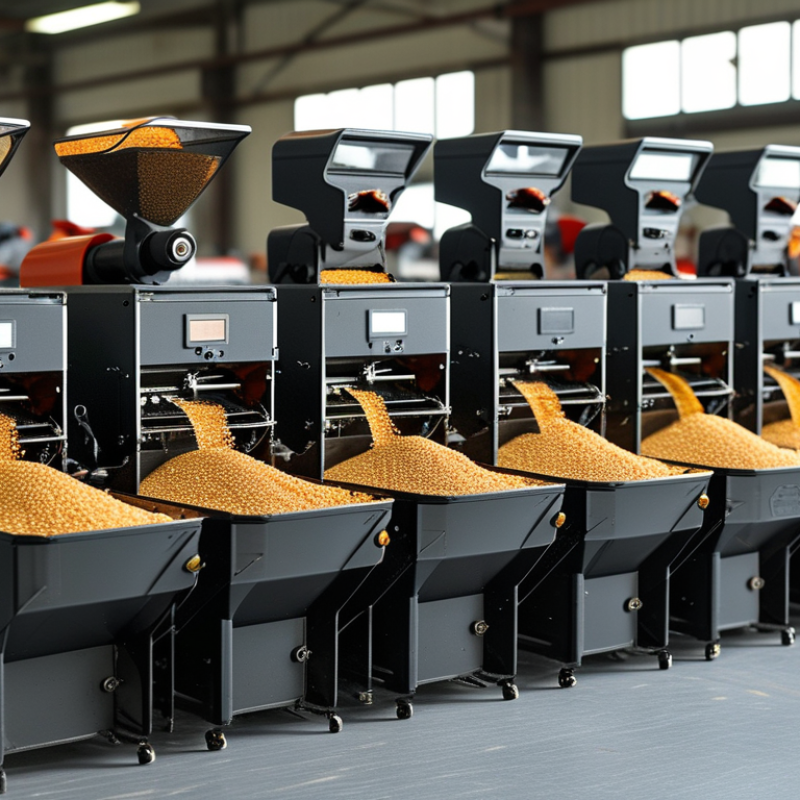
Factors to Consider When Selecting a Millet Color Sorter for Your Business
When choosing the right millet color sorter for your business, several crucial factors merit consideration. First, the sorting technology is essential. Common technologies include traditional CCD cameras and advanced multispectral systems. Studies indicate that multispectral systems can achieve a sorting accuracy rate of up to 98%. This precision can minimize product loss and enhance quality.
Next, evaluate the sorter’s capacity and speed. A high-capacity sorter can significantly improve your processing efficiency. The best models can sort up to 2 tons of millet per hour. This capacity is vital for businesses aiming to meet high demand without sacrificing quality. Consideration should also be given to the machine's flexibility. A versatile machine can handle different grain types, providing long-term utility.
Additionally, machine maintenance and support are often overlooked but critical. Frequent breakdowns can lead to substantial downtime. Data shows that unexpected maintenance can cost businesses up to 5% of their annual revenue. Understanding warranty terms and technical support options can thus impact overall profitability. As you weigh these factors, be mindful that the best choice is one that aligns with your specific operational needs and growth goals.
Understanding Different Types of Millet Color Sorters Available on the Market
When considering millet color sorters, understanding their types is crucial. Different machines serve various needs across the industry. There are primarily three types: camera-based, laser-based, and combined systems. Camera-based sorters detect color differences with high precision. They are excellent for removing discolored grains. Laser-based sorters use light to evaluate size and shape. They can be efficient for sorting mixed materials. Combined systems leverage the best of both technologies, ensuring thorough sorting.
Tips: Assess your business volume. Higher volumes may benefit from advanced combined systems. Examine the types of millets you process. Every type may need a different emphasis in sorting.
It's important to reflect on the technology that fits your operation. Not every sorter suits every business. Consider your budget and operational capacity. Investing in a more complex machine doesn’t always yield better results. Focus on your specific needs and scale. You may discover a simple solution works best for you.
Key Performance Metrics: Efficiency and Accuracy in Color Sorting Technology
When selecting a millet color sorter for your business, efficiency and accuracy take center stage. Efficiency refers to how quickly the machine can process a batch. A machine that sorts 1,500 kilograms per hour may seem ideal. However, if it compromises accuracy, it might not yield the best results. Efficiency is crucial, but it should not come at the expense of sorting precision.
Accuracy, on the other hand, determines how well the sorter distinguishes between different colors. This metric influences the quality of your product. A sorter that misses even a small percentage of defects can lead to dissatisfied customers. In the end, striking a balance is essential. It’s worth noting that some machines may appear fast but struggle with smaller, subtler color variations. This can result in significant waste and reduced product quality.
Evaluating machine performance metrics requires careful attention. Look into user reviews and real-world results from similar businesses. Industry forums can provide insights into different machines’ efficiency and accuracy. The ideal choice should align with your particular goals while ensuring reliability and consistency in output. Always question if a machine meets your needs and reflects industry standards.
Impact of Color Sorter Technology on Millet Quality and Marketability
Color sorting technology plays a crucial role in enhancing the quality and marketability of millet. A well-functioning color sorter can effectively remove impurities, such as discolored grains and foreign materials, that may lower product quality. By ensuring uniformity in color, the sorter adds to the visual appeal, making the millet more attractive to consumers.
When investing in a color sorter, consider its sensitivity to various color shades. This is vital for achieving precise separation. The advanced sensing technology can detect minuscule color differences, ensuring only the best millet grains make it to the final product. Another aspect to evaluate is the processing speed. High throughput can significantly reduce production time, thus meeting market demands efficiently.
Tips: Always test the sorter with your specific millet variety. Different grains may respond differently to the same technology. Monitor the output regularly for quality assurance. Even the best sorter needs adjustment to maintain peak performance. Inadequate calibration can lead to loss of good grains, impacting overall yield.
Cost-Benefit Analysis: Investing in a Millet Color Sorter for Profit Maximization
Investing in a millet color sorter can boost your profit margins significantly. Recent industry reports indicate that proper sorting leads to a 20-30% increase in product quality. Higher quality often means higher prices. A well-sorted millet can fetch up to 15% more in the market. This is a substantial increase that businesses can't afford to overlook.
However, the initial investment in a color sorter can be daunting. Small businesses, in particular, might hesitate. Nonetheless, the return on investment (ROI) justifies this decision. Research shows that businesses see ROI within two years. This is based on increased sales and reduced waste. Innovative sorting technology minimizes labor costs too. Labor savings can range from 10-15%, making it easier to allocate resources elsewhere.
While the benefits are clear, some sorting techniques may not meet all needs. Businesses should assess their specific requirements carefully. Choosing the wrong machine may lead to inefficiencies or dissatisfaction. Regularly reviewing performance is essential for maximizing profit potential. Recognizing these aspects can be a game-changer in a competitive market.