How to Choose the Right UV Flatbed Printer for Your Business?
The selection of the right UV Flatbed Printer is essential for businesses seeking innovation and efficiency. The global UV printing market is projected to reach $5.2 billion by 2028, demonstrating robust growth. This trend highlights the increasing demand for versatile printing solutions across various industries. By investing wisely, businesses can gain a competitive edge.
Choosing a UV Flatbed Printer requires careful consideration of specific needs. Different materials and applications necessitate tailored solutions. For instance, a printer that excels on rigid surfaces may not perform equally well on flexible materials. Hence, understanding these nuances is crucial for maximizing productivity.
Despite advancements, challenges remain. Not all printers deliver consistent quality. Research indicates that 30% of businesses face issues with color accuracy and durability. These imperfections can lead to unmet expectations and financial losses. Thus, it's vital to evaluate equipment thoroughly and align it with long-term business goals.
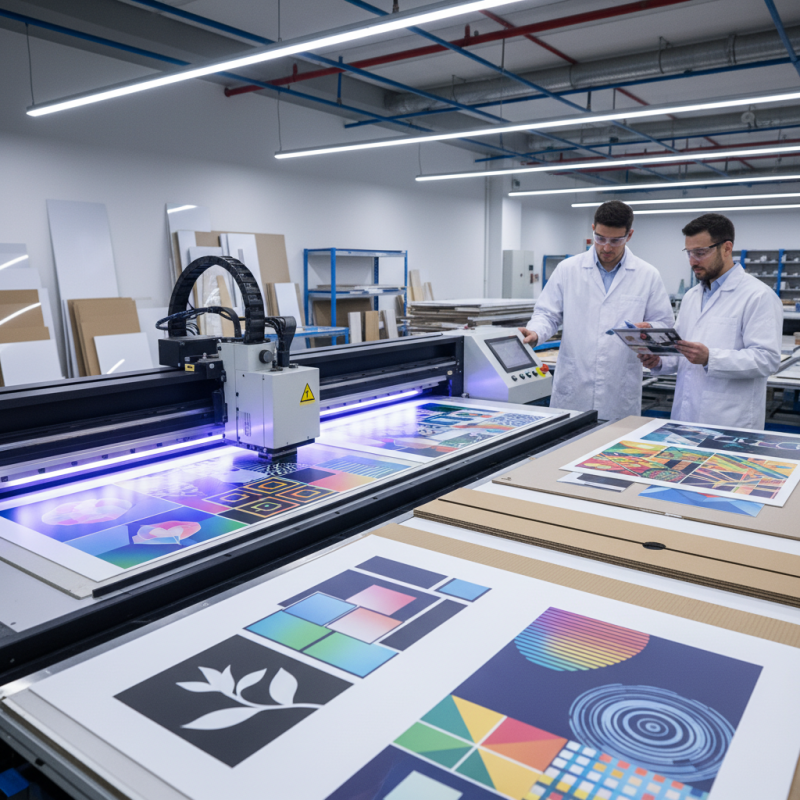
Factors to Consider When Selecting a UV Flatbed Printer for Business
When selecting a UV flatbed printer for your business, several critical factors come into play. The printer's size and capacity are vital, as they determine the types of products you can create. Larger printing areas allow for bigger projects, which may suit a diverse clientele. According to recent market reports, businesses with larger printers see up to a 30% increase in order variety. However, consider the space available in your workshop before committing to large formats.
The printer's resolution and speed are equally important. A higher resolution leads to better print quality, which is invaluable for detailed designs. Industry data shows that printers with approximately 1200 dpi can yield superior results for intricate graphics. However, speed doesn’t need to be sacrificed. Some printers can produce images at a rate of 50 square meters per hour while maintaining quality. Balancing these features is essential, yet achieving both high speed and resolution may sometimes require further investment or compromise. Evaluate your project needs carefully.
Operational costs play a decisive role too. Ink types, maintenance, and energy consumption impact long-term profitability. Research suggests that UV inks can cost more upfront but may last longer and offer better durability. Many users find unexpected maintenance costs emerge over time. This underscores the importance of understanding both initial and ongoing costs associated with your choice. Investing time to analyze operational workflows can lead to more informed decisions.
Understanding the Printing Technologies: UV vs. Solvent and Eco-Solvent
When considering UV flatbed printers, understanding different printing technologies is essential. UV printing uses ultraviolet light to cure or dry the ink as it is printed. This method allows for vibrant colors and fine details. The ink adheres quickly to a variety of surfaces, offering versatility in materials. However, some users report issues with ink rigidity on flexible substrates.
In contrast, solvent and eco-solvent printing do not cure through UV light. Instead, they use solvents to create a bond with the substrate. Solvent printers are often more economical, yet they can produce stronger odors and more volatile emissions. Eco-solvent inks are a safer alternative, but they may not achieve the same vibrancy as UV inks. It’s crucial to assess the environmental impact and health considerations of these inks, especially in enclosed spaces. Each technology comes with its pros and cons, highlighting the need for careful evaluation based on business needs and goals.
Comparison of Printing Technologies: UV vs. Solvent and Eco-Solvent
Evaluating Print Speed and Productivity for Business Needs
When selecting a UV flatbed printer, assessing print speed and productivity is crucial for business success. According to industry reports, the average print speed for UV printers ranges from 80 to 150 square feet per hour. This variance often stems from machine specifications and ink types. Understanding your operational demand is vital. If your workload includes high-volume printing, opt for machines with higher speed capabilities.
Consider a case where a business underestimated its output needs. The decision to choose a slower model resulted in missed deadlines and dissatisfied clients. Evaluating print speed against daily tasks can mitigate such risks. Aim for printers that offer quick turnaround times while maintaining quality.
Tips: Always review production rate data in relation to your capacity needs. Also, keep in mind that speed should not compromise quality. Running regular maintenance checks can enhance performance longevity. With the right approach, your printer can significantly boost productivity without sacrificing output excellence.
Cost Analysis: Initial Investment vs. Long-term Operational Costs
When choosing a UV flatbed printer, cost analysis plays a significant role. The initial investment is a critical consideration. High-quality printers often come with a hefty price tag. However, a lower-cost option might lack essential features, leading to higher operational costs. Striking a balance between upfront costs and overall value is vital for business sustainability.
Consider the long-term operational costs next. Maintenance, ink, and material expenses accumulate quickly. Regular maintenance can prevent costly repairs down the road. It is wise to factor in these costs as part of the overall budget. Sometimes, seemingly affordable models become expensive over time due to high ink consumption or frequent breakdowns.
Lastly, reflect on the actual usage and production needs. A printer that excels in versatility might require a larger initial investment. However, it could save you money in the long run by allowing you to take on diverse projects. Think carefully about your business goals and production volume. This decision is not merely about price; it’s about strategic planning for growth.
Assessing Print Quality and Color Accuracy in UV Flatbed Printers
When selecting a UV flatbed printer, print quality and color accuracy should be top priorities. High-resolution printing is essential for sharp details. Assessing the printer’s capabilities often requires hands-on testing. Look for samples that showcase fine lines and intricate designs. This step can reveal a lot about the machine's performance.
Color accuracy is another critical factor. A printer that fails to reproduce colors accurately can affect the final output significantly. Check if the printer supports a wide color gamut. This can ensure vibrant and true-to-life colors in your projects. It’s beneficial to utilize color calibration tools. They can help maintain consistency between different prints.
It’s important to remember that not all UV printers are created equal. Users often overlook the settings for color profiles and ink types, which greatly influence results. Ideal settings may vary with different materials as well. Therefore, you may need to experiment. Sometimes, the differences can be subtle yet impactful enough to require adjustments. The need for ongoing calibration highlights the importance of having a reliable workflow.
How to Choose the Right UV Flatbed Printer for Your Business? - Assessing Print Quality and Color Accuracy in UV Flatbed Printers
| Feature | Description | Importance | Rating (1-10) |
| Print Resolution | The clarity and detail of the printed image | High resolution is crucial for sharp images | 9 |
| Color Accuracy | The printer's ability to produce colors that match the original design | Essential for brand consistency | 8 |
| Print Speed | The time taken to complete a print job | Important for meeting tight deadlines | 7 |
| Media Compatibility | The range of materials the printer can handle | Versatility can expand business opportunities | 8 |
| Maintenance Requirements | How easy it is to maintain and service the printer | Lower maintenance can reduce operational costs | 6 |
| Cost of Ownership | Total cost including purchase, inks, and maintenance | Critical for budgeting and ROI analysis | 7 |