
Blog

2026 How to Choose Type C Conductive FIBC for Global Sourcing?

Choosing the right Type C Conductive FIBC (Flexible Intermediate Bulk Container) for global sourcing involves various considerations. These bags are crucial for transporting flammable materials safely. Their design helps prevent static electricity buildup, which can lead to hazardous situations. Understanding the specific requirements of Type C Conductive FIBC is essential for businesses aiming to mitigate risks.

When sourcing these bags, it's vital to assess material quality and compliance with industry standards. Factors like fabric weight, seam strength, and conductive thread play a significant role. Often, manufacturers provide certifications, but not all guarantee performance in every condition. Conduct thorough research and ensure the suppliers have a proven track record in producing quality Type C Conductive FIBC.

It’s important to reflect on potential logistical challenges too. Sourcing from different regions can lead to variations in availability and cost. Fluctuating prices might tempt buyers to compromise on quality. Ultimately, investing in reliable Type C Conductive FIBC can enhance safety and efficiency, but it requires careful evaluation and strategic planning. The right choice can protect both people and products during transportation.
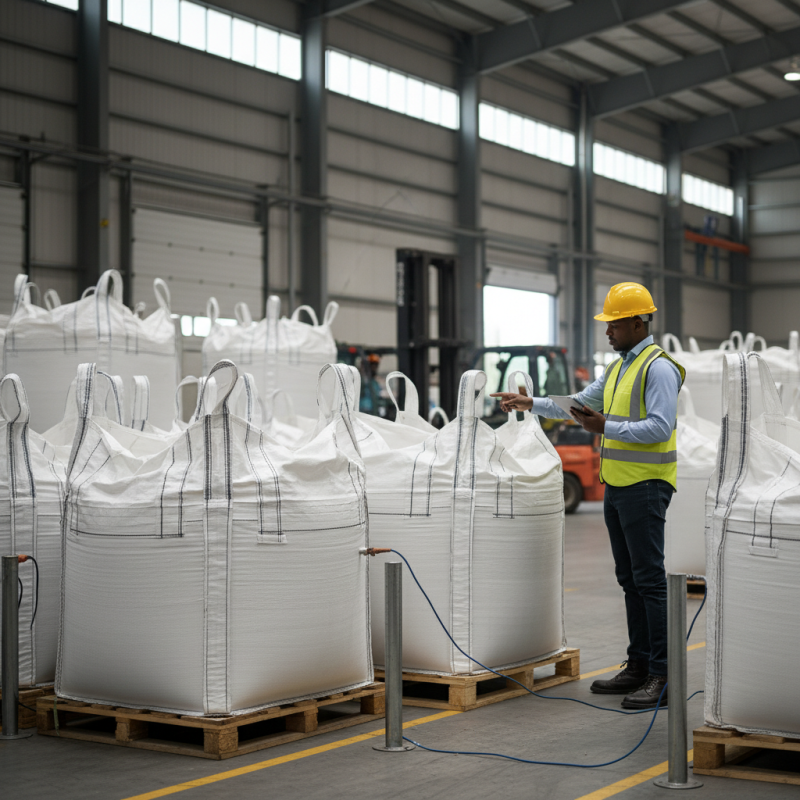
2026 How to Choose Type C Conductive FIBC for Global Sourcing?

Understanding Type C Conductive FIBC Basics

Type C conductive FIBCs are designed to safely handle flammable materials. They offer static control, making them essential in high-risk environments. Understanding their basics can help businesses prioritize safety and efficiency.

These bags are made with conductive yarns woven into the fabric. This unique construction allows for the dissipation of static electricity. Unlike non-conductive FIBCs, Type C bags require proper earthing. It's a vital step often overlooked. Regular inspection of the grounding systems is essential for maintaining performance.

Consider potential challenges when sourcing these bags. Not all Type C FIBCs meet the same standards. Verification of compliance is crucial. Ask suppliers for detailed specifications. Ensure they understand your specific requirements. Reflecting on these aspects can lead to better decision-making in sourcing conductive solutions.

2026 How to Choose Type C Conductive FIBC for Global Sourcing? - Understanding Type C Conductive FIBC Basics

Attribute Description Importance Considerations
Material Polypropylene with conductive additives to prevent static charge High Ensure compliance with regulatory standards for conductivity
Size Various dimensions available depending on the load capacity Medium Product dimensions should match shipping and storage requirements
Weight Capacity Typically ranges from 500 kg to 2000 kg High Select based on the weight of the contents being shipped
Static Control Designed to dissipate static electricity safely Critical Assess the risk of static discharge for your materials
Closure Type Various options including top fill spouts and discharge valves Medium Choose based on filling and discharging processes
Custom Features Ability to include logos, warnings, and tags Low Consider if branding or compliance information is needed

Assessing Quality Standards for Type C Conductive FIBC

When sourcing Type C conductive Flexible Intermediate Bulk Containers (FIBCs), quality standards are crucial. According to the International Electrotechnical Commission (IEC), these bags must meet stringent requirements for static electricity management. The key factor is the conductive materials integrated into the fabric, which help in dissipating static charge. A study by the Institute of Packaging Professionals indicates that improper materials can lead to product hazards and safety risks.

To ensure proper selection, one must assess certification standards. Look for FIBCs marked with relevant compliance certificates. The ASTM standards provide guidelines for evaluating materials and construction integrity. More than 70% of FIBC failures occur due to inadequate testing. Therefore, demand proof of testing for tensile strength and electrostatic discharge capability.

Tip: Always request test reports from manufacturers. This practice can save costs in the long run.

It's important to understand the limitations of Type C FIBCs as well. They perform best under specific humidity levels and in environments free of conductive particles. Discussing usage conditions with suppliers before purchasing is advisable. This could prevent future operational mishaps leading to potential losses.

Tip: Engage with quality assurance teams to evaluate supplier credentials. Doing so enhances procurement outcomes significantly.

Evaluating Supplier Capabilities in Global Sourcing

When sourcing Type C conductive Flexible Intermediate Bulk Containers (FIBCs) globally, evaluating supplier capabilities is crucial. Suppliers should have proven experience in manufacturing and distributing conductive FIBCs. It’s essential to assess their ability to meet international standards for quality and safety. Look for suppliers who provide clear documentation and certifications regarding their products. This ensures accountability and builds trust.

Consider the technology used in production. Suppliers should employ advanced manufacturing techniques and quality control processes. Their staff should be knowledgeable about conductivity requirements and material properties. A reliable supplier will readily share their expertise, indicating confidence in their products. Look for transparency in communication and responsiveness to inquiries.

Don’t overlook past performance. Investigate the supplier’s track record with previous clients. Reviews and testimonials are valuable but can be biased. Verifying references can offer deeper insights into their reliability. Be open to learning from potential missteps in your sourcing process. Each choice shapes your supply chain. Prioritize finding a partner who aligns with your operational needs and safety standards.

Key Factors in Selecting Type C Conductive FIBC

When selecting Type C conductive Flexible Intermediate Bulk Containers (FIBCs), there are several key factors to consider. Conductivity is essential for preventing electrostatic discharge. The materials used must be of high quality, ensuring durability and safety. In addition, the design of the bag plays a crucial role. Regularly check the seams and closures to ensure they maintain their integrity.

Another important consideration is the environment where the FIBC will be used. Understanding the material being handled can help assess the necessary protective features. A bag used in a dry environment may require different specifications than one used in a humid setting. Factor in the weight capacity as well. Underestimating the necessary strength can lead to failures, which could be costly and dangerous.

Supplier reliability is also vital. Research the manufacturer’s reputation and experience. Look for certifications that demonstrate adherence to industry standards. Transparency is crucial when evaluating potential suppliers. Obtain references and reviews from previous customers, providing you with insight into their quality and service. Each of these factors contributes to the overall performance and safety of Type C conductive FIBCs.

Cost Considerations and Budgeting for FIBC Sourcing

When sourcing Type C conductive flexible intermediate bulk containers (FIBCs), cost considerations are crucial. The global FIBC market is expected to grow by over 4% annually, indicating rising demand. Understanding the pricing structure can significantly impact budgeting. An industry report shows that conductive FIBCs can cost between $5 and $15 per unit, depending on material quality and design complexity.

When budgeting for FIBCs, consider not just the purchase price but also additional costs. Shipping and handling can add 10-20% to the overall expenditure. Ensure to factor in any customization needs, as tailored solutions may incur further expenses. It's essential to align your budget with the anticipated return on investment.

Tips: Always request multiple quotes from suppliers. This can provide a more comprehensive view of market rates. Research potential suppliers’ manufacturing practices to avoid hidden costs. Understanding the quality guarantees related to thickness and load capacity can lead to better spending decisions. Failing to assess these factors may lead to overspending or subpar products.

By continuing to use the site, you agree to the use of cookies. more information

The cookie settings on this website are set to "allow cookies" to give you the best browsing experience possible. If you continue to use this website without changing your cookie settings or you click "Accept" below then you are consenting to this.

Close