
Blog

How to Choose Vacuum Hydrocarbon Machine Manufacturers in 2026?

Choosing a vacuum hydrocarbon cleaning machine manufacturer in 2026 takes more than comparing prices or polished brochures. The right partner should understand your parts, contamination levels, production volume, and required cleanliness. A small precision component and a heavy-machinery part rarely need the same cleaning cycle. Ask how the proposed system handles each item, from loading baskets to drying and final inspection.

Look for Vacuum Hydrocarbon Cleaning Machine Manufacturers that can explain their process with clear, testable details. Request cycle data, equipment specifications, and references from facilities with similar applications. Ask about vacuum performance, solvent recovery, filtration, temperature control, and safeguards designed for the selected cleaning process. These details matter on the factory floor. A machine may look impressive in a showroom, yet perform differently with your actual parts and workload. Request a sample trial when practical, and agree on measurable acceptance criteria before purchase.

After-sales support deserves equal attention. Confirm commissioning, operator training, spare-parts availability, maintenance intervals, and response times. Check whether the manufacturer can adapt basket dimensions, automation, or monitoring features without making routine service difficult. Ask how system performance is documented and what support remains available after installation. Seek evidence, not promises. Be willing to challenge assumptions, including your own: a familiar specification may not fit a new production mix. The strongest choice is usually the one backed by relevant experience, transparent technical answers, and dependable service—not the longest feature list. A careful review now can reduce avoidable downtime and help ensure the machine fits both present needs and planned growth.
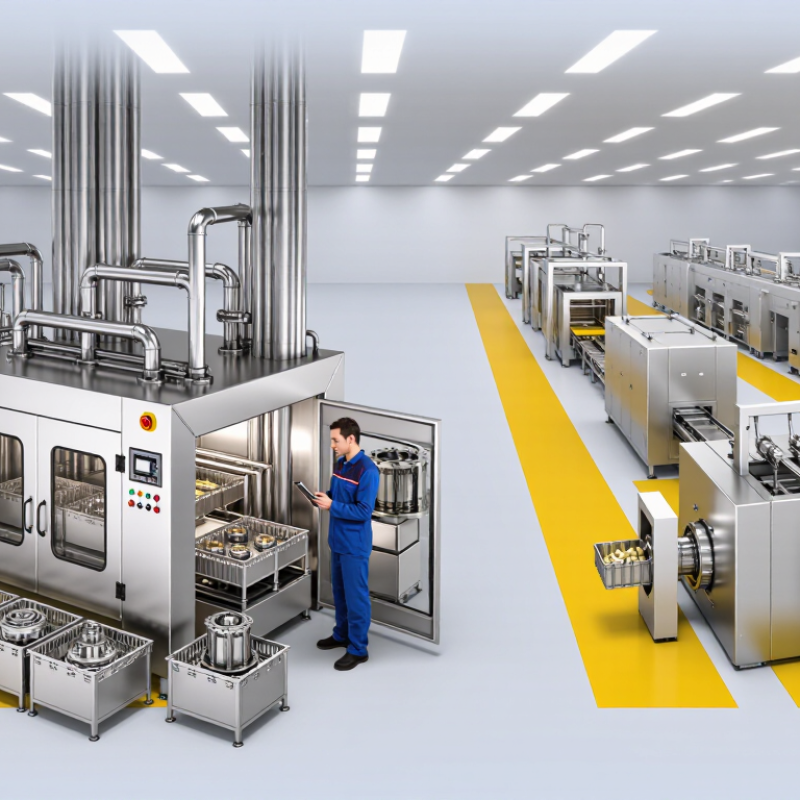
How to Choose Vacuum Hydrocarbon Machine Manufacturers in 2026?

Define Your Vacuum Hydrocarbon Machine Requirements

Start with the job, not the catalogue. Define what the machine must clean or process, the parts’ dimensions, and the materials involved. A small batch of steel components has different needs from large aluminum housings or delicate assemblies. Record typical load weight, daily cycles, and the dirtiest realistic condition—not only the ideal case.

Then set measurable operating targets. Specify chamber volume, usable basket size, vacuum range, operating temperatures, cycle time, and required drying level. Ask how the system handles fluid recovery, filtration, and residue removal, and request test data using representative parts. Check seals, pumps, sensors, and wetted materials for compatibility with the intended hydrocarbon fluid. Safety matters in routine use: look for leak detection, ventilation connections, emergency stops, and clear maintenance procedures. Details matter.

Do not choose capacity from peak demand alone. An oversized machine may waste energy and floor space; an undersized one can create a queue. Compare service access, spare-part availability, training, and documented acceptance tests. Leave room for uncertainty. Your first estimate may be wrong, so confirm it with sample loads and a written process specification before requesting quotations.

Assess Manufacturer Expertise and Engineering Capabilities

In 2026, choosing a vacuum hydrocarbon machine manufacturer starts with evidence, not polished claims. Ask how the engineering team has handled your feedstock, operating temperatures, and target vacuum range. Experienced engineers should explain pump selection, seal materials, vapor handling, and heat control in plain language. Request drawings, performance curves, and test records from comparable installations. A machine can look impressive in a brochure. The details matter more.

Tips: Share process data before comparing proposals. Ask for a design review that explains pressure stages and material choices. Watch the details. Do the stated capacities match your actual operating range? If answers stay vague, note what remains unverified. That is not proof of weak capability, but it is a reason to ask more.

Assess whether the manufacturer can support commissioning, operator training, and troubleshooting after delivery. Ask how the team investigates leaks, unstable vacuum, or unexpected temperature changes. Clear procedures and realistic response times are useful evidence. Custom engineering may help, but changes should come with documented calculations and testing. No supplier can predict every site condition; a thoughtful team will say where assumptions remain. That honesty is worth weighing.

How to Choose Vacuum Hydrocarbon Machine Manufacturers in 2026? – Assess Manufacturer Expertise and Engineering Capabilities

Assessment dimension What to assess Evidence to request Suggested weight Strong evaluation signals
Hydrocarbon-vacuum process expertise Experience with the specific hydrocarbon, process steps, operating conditions, and product requirements in your application. Anonymized project references, process descriptions, operating ranges, and examples of comparable applications. 20% The team asks about feedstock properties, throughput, product quality, and operating cycle before recommending a configuration.
Process and mechanical engineering Ability to develop a process design and equipment layout suited to the required duty, materials, and site constraints. Process flow diagrams, equipment specifications, design assumptions, and documented design-review procedures. 20% Design choices and limitations are explained clearly, with interfaces and customer-supplied utilities identified.
Vacuum-system sizing and performance Selection and sizing of vacuum pumps, condensers, piping, seals, and instrumentation for the stated process load. Vacuum-system calculations, pump curves where applicable, operating-pressure assumptions, and a defined performance test plan. 15% Performance claims state the test conditions, measurement points, and acceptance criteria rather than relying on a single headline figure.
Materials and chemical compatibility Suitability of wetted materials, seals, gaskets, and coatings for the actual fluid composition, temperature, and operating environment. Materials list, compatibility rationale, applicable material certificates, and seal or gasket specifications. 10% Material selections are tied to documented process conditions and identified chemical-compatibility risks.
Safety and risk engineering Approach to hazards associated with flammable hydrocarbons, hot surfaces, pressure or vacuum, and relevant site requirements. Risk assessment documentation, safeguarding philosophy, control-system description, and a clear list of applicable codes and standards. 15% The supplier distinguishes mandatory requirements from project-specific options and coordinates safety interfaces with the buyer.
Controls, instrumentation, and integration Control sequence, alarms, instrumentation, data access, and compatibility with the plant’s electrical and control systems. Instrument list, control narrative, input/output interface details, and sample operating or alarm documentation. 10% The proposed controls, operator responsibilities, and integration boundaries are documented before detailed design.
Testing, commissioning, and lifecycle support Factory and site testing, installation support, training, maintenance planning, and access to replacement parts. Inspection and test plan, commissioning scope, operating manuals, recommended spares list, and support-response terms. 10% Acceptance tests are measurable, responsibilities are assigned, and ongoing support arrangements are stated in writing.
Total suggested weighting 100% Adjust weights to match project risk and purchasing priorities.

Scoring method: Rate each dimension from 1 (limited evidence) to 5 (strong, relevant evidence). Calculate the weighted score by multiplying each rating by its weight, then summing the results. Treat this as a comparison framework, not a substitute for technical review, site-specific risk assessment, or verification of applicable codes and standards.

Verify Safety Standards and Environmental Compliance

A vacuum hydrocarbon machine can combine heated surfaces, moving parts, electrical systems, and flammable vapors. That mix makes safety evidence more important than polished sales language. Ask each manufacturer to identify the standards and codes applicable to the machine’s intended location and process. Request current certificates, test reports, and the exact model or configuration they cover. A certificate for a related unit is not enough. Check safeguards through a detailed demonstration: emergency stops, interlocks, pressure and temperature limits, grounding, and leak detection. If the process requires classified-area equipment, confirm its ratings with a qualified engineer. Paperwork is only a start.

Environmental claims need the same scrutiny. Ask how the system contains vapor, detects leaks, and manages recovered hydrocarbons, spent filters, and contaminated condensate. Request measured emissions data, test conditions, and maintenance intervals, not just phrases such as “low emission.” Review energy use and the disposal route for routine service waste. A supplier should explain what operators inspect daily and what requires specialist service. During a factory visit, look for labeled lines, accessible shutoff valves, and records that match the installed equipment. No checklist catches every issue. I would still question answers that sound too tidy; real processes have operating limits and imperfect measurements.

Compare Product Quality, Service, and Total Ownership Costs

How to Choose Vacuum Hydrocarbon Machine Manufacturers in 2026?

Compare quality through measurable results, not polished brochures. Ask manufacturers for chamber temperature-uniformity data, vacuum leak-test results, and documented cleaning trials using representative parts. Check solvent recovery performance and compatibility with your materials. A useful acceptance test uses your actual component geometry and soil load. Numbers need context.

Service quality shows up after installation. Request a written commissioning plan, operator training, spare-parts availability, and clear response-time commitments. Ask who handles troubleshooting and whether technicians can support your site remotely. A low purchase price can lose its appeal when a small replacement part stops production for days.

Calculate total ownership costs across the machine’s expected service life. Include electricity, solvent consumption, filters, maintenance labor, and downtime—not just the quote. The U.S. Department of Energy’s Improving Pumping System Performance: A Sourcebook for Industry notes that energy can represent up to 90% of a pump system’s life-cycle cost. That figure is a pump-system benchmark, not a guaranteed share for every cleaning machine. Use your operating hours and supplier data to build a realistic estimate. Then compare the assumptions. Some estimates will be imperfect; revise them after a production trial.

Evaluate References, Delivery Terms, and Long-Term Support

Choosing a vacuum hydrocarbon machine manufacturer in 2026 takes more than comparing price sheets. Ask for references from facilities with similar materials, throughput, and operating hours. Speak with maintenance staff, not only sales contacts. Request details about commissioning, service response, and spare-part availability. A polished case study can hide a difficult handover. Verify what happened after installation.

Delivery terms should specify inspection points, packaging, shipment milestones, and what happens if a component arrives damaged. Confirm who handles installation, operator training, and acceptance testing. Get the schedule and responsibilities in writing. Then check whether promised lead times match recent customer experiences. Delays happen. A supplier’s response matters as much as the original estimate. I would also ask how technical support works after the warranty ends; vague answers are a warning, though not proof of poor service.

Tips

Ask for two recent references and a sample service report. Clarify which wear parts should be kept on site. Compare response-time commitments, not just warranty length. If a detail seems obvious, write it down anyway. Small omissions can become expensive.

By continuing to use the site, you agree to the use of cookies. more information

The cookie settings on this website are set to "allow cookies" to give you the best browsing experience possible. If you continue to use this website without changing your cookie settings or you click "Accept" below then you are consenting to this.

Close