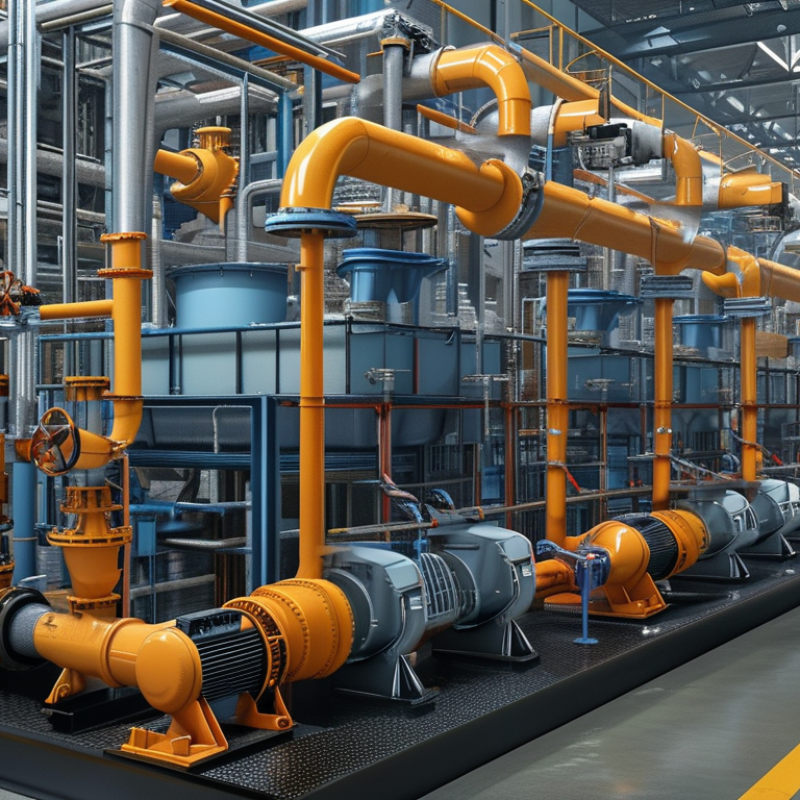
What is a Cooling Water Pump and How Does It Work?
A Cooling Water Pump plays a crucial role in many industrial processes. It circulates water to absorb heat from equipment, ensuring optimal performance. When temperatures rise, efficiency drops. This pump helps maintain stable conditions. Without it, systems can overheat and fail.
Modern cooling systems rely on this technology. They help prevent damage in factories, power plants, and HVAC systems. The design varies, but the core function remains the same: move water effectively. Users often overlook maintenance. Neglecting this aspect can lead to failures.
In understanding the Cooling Water Pump, we uncover the importance of reliability. Users should recognize signs of wear or decline. Awareness can save costs and extend the lifespan of equipment. Each pump type has unique features, and knowing these can enhance performance.
What is a Cooling Water Pump?
A cooling water pump is crucial in various industrial applications. It circulates water to control temperature and ensure efficient operations in machinery and processes. Research indicates that improper cooling can lead to a 20% decrease in operational efficiency. This highlights the pump's significance in maintaining the optimal functioning of equipment.
These pumps work by drawing in water from a reservoir. They then push the water through systems where heat exchange occurs. The design can vary significantly, with centrifugal pumps being the most common. Data show that these pumps can achieve flow rates exceeding 100,000 gallons per minute, essential for heavy industrial use. Yet, pump efficiency can decline if not routinely maintained.
Regular inspections are recommended to prevent issues like cavitation or excessive vibration. Neglecting pump maintenance can lead to unexpected downtimes and costly repairs. Industry reports estimate that unplanned maintenance can inflate operational costs by up to 30%. Understanding the workings and importance of cooling water pumps is vital for industries relying on temperature control.
Cooling Water Pump Performance Data
The Functionality of a Cooling Water Pump
Cooling water pumps play a critical role in various industrial applications. These pumps circulate water to remove heat from equipment, ensuring optimal performance and efficiency. According to a report by the International Journal of Thermal Sciences, improper cooling can lead to a 20% decrease in machinery efficiency over time.
The functionality of a cooling water pump revolves around its ability to maintain consistent temperatures. This involves moving water through heat exchangers, condensers, and other components. A study published by the American Society of Mechanical Engineers found that inadequate cooling can result in overheating, which could cause substantial equipment damage. In many cases, facilities cannot afford downtime, making reliable pump performance essential.
Yet, challenges persist. Many plants experience issues like pump wear and inefficient energy usage. For example, the Department of Energy highlights that cooling systems account for nearly 25% of a facility's total energy use. Regular maintenance and monitoring are necessary to address these inefficiencies, as neglect can lead to costly repairs. Understanding the intricacies of cooling water pumps is vital for sustaining optimal operational conditions.
What is a Cooling Water Pump and How Does It Work? - The Functionality of a Cooling Water Pump
| Feature | Description | Functionality |
| Pump Type | Centrifugal Pump | Uses rotational energy to move water. |
| Applications | Industrial cooling systems, HVAC systems | Provides necessary cooling for machinery and processes. |
| Operating Principle | Converts input mechanical energy into hydraulic energy | Increases the pressure and velocity of the water flow. |
| Components | Impeller, motor, diffuser, and casing | Work together to facilitate water movement. |
| Efficiency | Depends on the design and operating conditions | Higher efficiency leads to lower operational costs. |
Components of a Cooling Water Pump
A cooling water pump plays a crucial role in maintaining system temperature. Understanding its components can enhance efficiency and durability. The main parts include the pump casing, impeller, motor, and bearings. Each component works together to circulate water efficiently.
The pump casing is designed for strength and durability. It withstands high pressure and prevents leakage. The impeller, typically made of metal or plastic, focuses energy on the water, moving it through the system. Motors provide the necessary torque for operation. They often come in different sizes to meet various cooling demands.
Tip: Regular maintenance is essential. Check seals and gaskets for wear and tear. Replace them promptly to avoid leaks.
Bearings support the rotating shaft and minimize friction. If they wear down, it can lead to pump failure. Regularly listen for unusual noises during operation. They can indicate that something is wrong.
Tip: Schedule periodic inspections. Look for signs of corrosion or debris buildup.
Addressing these issues early can save time and money later. The Working Principle of a Cooling Water Pump
A cooling water pump plays a vital role in various industrial applications. Its primary function is to circulate water to dissipate heat, ensuring systems operate efficiently. The working principle revolves around a basic process of drawing in water, increasing its pressure, and then expelling it through a network of pipes. This continuous flow helps maintain optimal temperature levels in machinery and equipment.
Understanding how this pump works can help in troubleshooting and maintenance. Typically, the pump utilizes an impeller driven by a motor. When water enters the pump, the impeller spins rapidly. This motion generates centrifugal force, pushing the water out at high pressure. The pressure difference created allows for effective heat transfer, as the water absorbs heat from the system before being pumped back to a cooling area, like a cooling tower.
Visualizing this process reveals its importance in real-world applications. In power plants, for instance, inefficient pumps can lead to overheating and costly downtimes. However, pumps may wear out or clog over time. Regular checks and cleaning can improve reliability but require diligence. Being aware of these potential issues is crucial for effective operation and maintenance of cooling water systems.
Applications and Importance of Cooling Water Pumps
Cooling water pumps play a crucial role in various industries. They are vital for managing heat in systems like power plants, refineries, and manufacturing facilities. These pumps circulate water to absorb excess heat, ensuring that equipment operates efficiently and safely.
According to industry reports, nearly 70% of industrial processes require effective cooling systems. Cooling water pumps help maintain optimal temperatures and prevent overheating. In power generation, they increase efficiency by up to 20% in certain applications when properly maintained. This efficiency translates to significant cost savings over time.
Tip: Regular inspections of cooling water pumps can help avoid unexpected downtime. Keep an eye on flow rates and pump performance metrics. Monitoring parameters often reveals early signs of wear or inefficiency.
In marine applications, cooling pumps ensure that engines and machinery operate within safe temperature ranges. However, system design flaws can lead to insufficient cooling. An inadequate pump can result in reduced performance and increased energy costs.
Tip: Conduct a thorough review of pump specifications before installation. This can prevent costly mistakes and ensure the right pump is selected for the desired application. Identifying potential issues early can lead to improved reliability and longer pump life.