What is a Disposable Pressure Transducer and How It Works?
Disposable Pressure Transducers are becoming essential in various industries, especially in healthcare and environmental monitoring. According to a recent report by MarketsandMarkets, the global pressure transducer market is projected to reach $6.57 billion by 2024, highlighting the growing demand for reliable measurement technologies. A disposable pressure transducer is designed for single-use applications, ensuring both accuracy and safety. This innovation minimizes cross-contamination risks, particularly in medical settings, making them vital for patient care.
The technology functions by converting pressure into an electrical signal, allowing for real-time monitoring. Typically, these devices exhibit a high degree of accuracy, often within 0.5% of the reading, which is crucial in critical applications. Data indicates that the disposable version reduces costs related to sterilization and maintenance. However, challenges remain, such as ensuring quality control in manufacturing processes. As the market expands, companies must focus on maintaining performance standards while addressing environmental concerns related to disposable products. This ongoing evolution emphasizes the need for continued innovation within the industry.
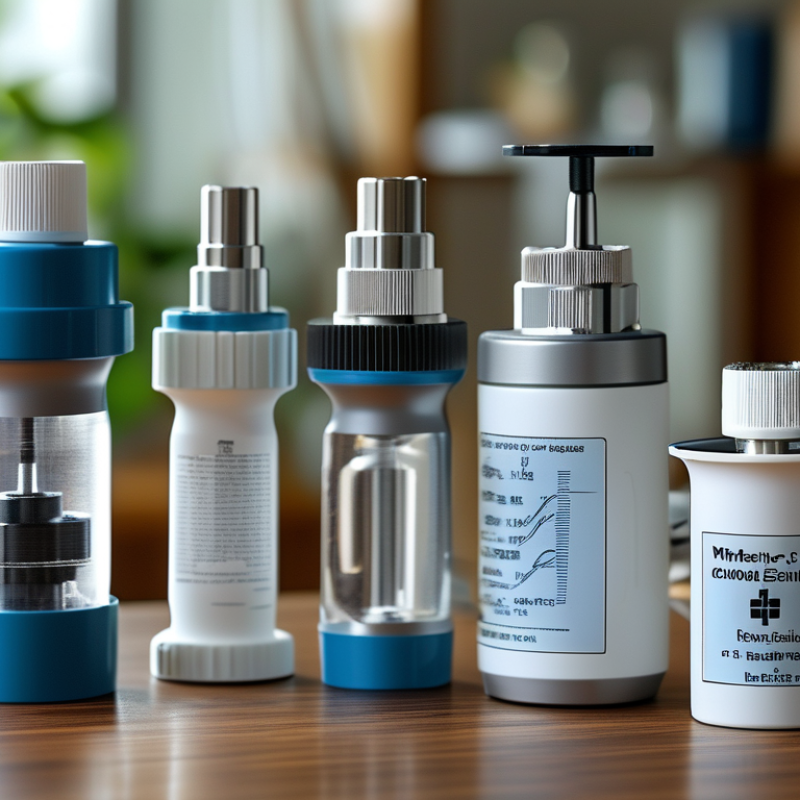
What is a Disposable Pressure Transducer?
A disposable pressure transducer is a specialized device used to measure pressure in various applications. Unlike traditional pressure sensors, these transducers are designed for single-use. This feature significantly reduces the risk of contamination and cross-infection in medical settings. In industries where hygiene is critical, their use is increasingly common.
The device is composed of a pressure sensing element, often made from silicon or piezoresistive materials. This design allows for accurate and reliable pressure readings. Generally, disposable pressure transducers are lightweight and easily integrated into existing systems. They function by converting pressure into an electrical signal, which can be displayed or recorded for analysis.
However, not all disposable pressure transducers are created equal. Some may struggle with accuracy over time or under extreme conditions. Users should carefully evaluate the specifications of each device. It’s essential to consider factors like calibration and operating temperature range. Making informed choices can help ensure optimal performance while minimizing potential issues.
Disposable Pressure Transducer Data Analysis
This chart displays the pressure readings from different disposable pressure transducers. The readings show the variance in performance across multiple units, providing insights into their reliability and efficiency.
Key Features of Disposable Pressure Transducers
Disposable pressure transducers are essential in various medical and industrial applications. They offer a unique combination of precision and convenience. One of their key features is their ability to provide real-time pressure measurements. This is crucial during surgeries or in critical care settings. Additionally, their lightweight design ensures easy handling, reducing the risk of user fatigue.
These transducers are usually single-use, minimizing the risk of cross-contamination. This feature is particularly important in a medical context, where hygiene is vital. The sensors are often made from biocompatible materials, ensuring patient safety. Another notable aspect is their quick response time. This allows for accurate monitoring during rapidly changing pressure conditions.
However, some may find the cost of disposable transducers to be a drawback. They might choose reusable options despite the potential for contamination. The reliance on disposable sensors also raises questions about environmental impact. Exploring alternatives that balance safety and sustainability is essential for future developments in this field.
Working Principle of Disposable Pressure Transducers
Disposable pressure transducers are key tools in various industries, measuring pressure in real-time. They are designed for single-use applications, ensuring hygiene and preventing cross-contamination. Their working principle involves transforming pressure into an electrical signal, allowing easy monitoring and analysis.
These transducers typically use a diaphragm that flexes under pressure. This flexing generates a voltage signal proportional to the applied pressure. A microprocessor then converts this signal into meaningful data, making it easy to interpret. The simplicity of this design provides reliable readings, which are crucial in many medical and industrial contexts.
**Tip:** Always calibrate your transducer before use. This step improves accuracy and ensures consistent performance.
While disposable pressure transducers offer many advantages, challenges exist. Issues like sensor drift and environmental factors can alter readings. Regular monitoring and validation are essential for maintaining data integrity and reliability.
**Tip:** Choose transducers that fit specific application needs for optimal results. The right choice can minimize errors and improve response times.
What is a Disposable Pressure Transducer and How It Works? - Working Principle of Disposable Pressure Transducers
| Feature | Description |
| Type | Disposable Pressure Transducer |
| Application | Used in medical settings for monitoring pressure in various systems |
| Operating Principle | Measures pressure by converting it into an electrical signal |
| Key Components | Sensing element, signal processing circuitry, and disposable housing |
| Benefits | Reduces risk of cross-contamination, convenient for single-use applications |
| Limitations | Not suitable for long-term monitoring, can be more expensive per unit |
| Common Uses | Invasive blood pressure monitoring, anesthesia applications, and critical care |
| Calibration | Usually pre-calibrated at the factory for immediate use |
Applications of Disposable Pressure Transducers
Disposable pressure transducers play a vital role in various industries. Their design allows for single-use applications, minimizing the risk of cross-contamination. They are particularly useful in medical and pharmaceutical settings where maintaining hygiene is crucial. For instance, in patient monitoring, disposable transducers provide critical, real-time pressure measurements.
In the field of medical devices, these sensors are often used in anesthesia machines and infusion pumps. They offer reliable measurements without the need for cleaning or sterilization after each use. This not only saves time but also enhances workflow efficiency in hospitals. Moreover, they find applications in clinical trials where precise data collection is necessary. However, the environmental impact of single-use devices is a concern, prompting discussions on sustainability practices.
Another area of application is in the food and beverage industry. Disposable transducers help monitor pressure during processes like pasteurization. Here, accuracy is essential to ensure food safety and quality. Yet, it’s important for companies to consider the trade-off between convenience and environmental sustainability. Overall, disposable pressure transducers are useful tools, but users must reflect on their broader implications and strive for solutions that balance efficiency and responsibility.
Advantages and Limitations of Using Disposable Pressure Transducers
Disposable pressure transducers have gained popularity in various medical and industrial applications. Their usage brings several advantages. They offer real-time pressure monitoring, which enhances patient safety during procedures. According to recent industry reports, these devices can reduce the risk of cross-contamination, especially in sterile environments. More importantly, disposable transducers can significantly lower costs related to cleaning and reusing standard sensors.
However, there are limitations to consider. Disposable transducers typically lack the robustness of reusables, affecting performance in demanding conditions. Their sensitivity to temperature changes might influence readings. A study published in the Journal of Biomedical Engineering noted that inaccurate readings occurred in about 15% of tested disposable devices under stress conditions. This inconsistency could lead to clinical challenges, demanding careful evaluation of their usage.
Tips: Regularly calibrate your devices to ensure accuracy. Always check compatibility with the system in use. Investing in training for staff on proper handling can mitigate some risks associated with disposable sensors. These measures can enhance the reliability of the data collected, promoting better outcomes.