What is Door Access Control Systems and How They Work?
Door Access Control Systems have become essential in enhancing security across various sectors. According to a report by Markets and Markets, the global access control market is projected to reach $12.5 billion by 2025. This growth highlights the increasing need for reliable security solutions in both commercial and residential environments.
Dr. Sarah Mitchell, a leading expert in security technology, emphasizes the significance of access control systems, stating, "Effective door access control not only protects physical assets but also safeguards personal information." These systems enable organizations to monitor and restrict access to sensitive areas, ensuring that only authorized personnel can enter.
Yet, many businesses overlook the importance of updating their systems. A recent survey indicates that 30% of companies still use outdated access control methods. This raises concerns regarding vulnerabilities and potential security breaches. As technology evolves, so must our approach to security. Adaptation in Door Access Control Systems is not just beneficial; it’s necessary for robust protection.
What is Door Access Control Systems?
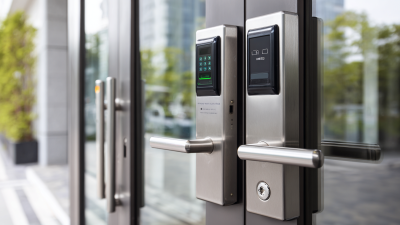
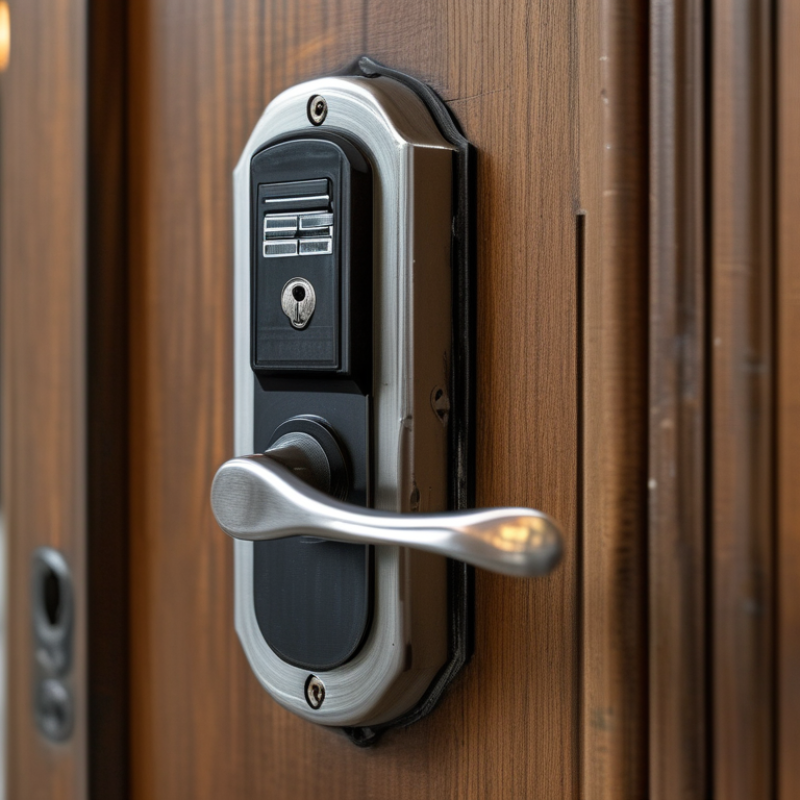
Door access control systems are essential for managing entry to buildings and restricted areas. They use electronic components to enhance security. Typically, these systems consist of locks, readers, and management software. Users gain access through keys, cards, or biometric data. This technology helps to keep unwanted visitors out.
The primary benefit is improved security. However, implementation can be complex. Setting up the right infrastructure is crucial. Each component must work seamlessly together. Additionally, user training is often required. Improper use can compromise security. Organizations sometimes overlook the importance of regular maintenance, which can lead to failures in access control.
Understanding the technology behind these systems offers insight into their effectiveness. Knowing how data is stored and processed can help in selecting the right solution. It's also vital to consider privacy implications. Balancing security with user convenience is always a challenge. A system that is too restrictive may frustrate users, while one that is too lenient can increase risks. Thoughtful consideration of these factors aids in creating a reliable solution.
Key Components of Door Access Control Systems
Door access control systems are essential for securing buildings and facilities. Their key components work together to ensure only authorized individuals can enter specific areas. The most common elements include access control panels, card readers, and locking mechanisms.
Access control panels serve as the system's brain. They manage permissions and track access events. These panels often connect with other security systems, like alarms and CCTV. By analyzing data, they help identify patterns and potential breaches. Card readers are vital for granting entry. They can read various forms of authentication, such as cards, biometrics, or mobile devices. Each reader must be strategically placed for optimized access control.
Locking mechanisms enforce the actual entry restrictions. Magnetic locks and electronic strikes provide different levels of security. Magnetic locks are strong but require a continuous power supply. Electronic strikes can be integrated with standard locks. Each component must work seamlessly together, but errors can occur. For instance, if a card reader malfunctions, it disrupts access. Regular maintenance is crucial for preventing issues and ensuring effectiveness.
Types of Door Access Control Technologies
Door access control systems play a crucial role in enhancing security. They utilize various technologies to manage and monitor access to buildings or specific areas. Understanding different types of door access control technologies can help in making informed decisions.
One common type is keycard systems. These systems require users to swipe a card to gain entry. They are easy to implement and can be used in many settings. Another type is biometric systems, which scan unique user traits, like fingerprints. Biometric systems provide high security, but they may be more costly to install and maintain.
When choosing a system, consider the specific needs of your environment. Ask yourself: what level of security is required? Think about scalability for future needs. Tips: always conduct regular updates on software to keep systems efficient. Engage with users to gather feedback; it helps in improving security measures. Balancing cost and effectiveness is essential, so weigh options carefully.
What is Door Access Control Systems and How They Work? - Types of Door Access Control Technologies
| Technology Type |
Description |
Benefits |
Typical Use Cases |
| Keypad Entry |
A numeric keypad allows users to enter a code for entry. |
Cost-effective and straightforward implementation. |
Residential buildings, small offices. |
| Card Access Systems |
Uses smart cards or RFID tags for access. |
Ease of use and revoking access quickly. |
Corporate offices, government buildings. |
| Biometrics |
Identifies users based on unique biometric features. |
High level of security and fraud prevention. |
Data centers, high-security areas. |
| Mobile Access |
Uses smartphones for access control through apps or NFC. |
Convenience and flexibility for users. |
Hotels, residential complexes. |
| Cloud-Based Systems |
Web-based access control management and monitoring. |
Scalability and remote management. |
Large enterprises, multi-site operations. |
How Door Access Control Systems Function
Door access control systems are essential for modern security management. These systems function by regulating who can enter specific locations. They often use keycards, biometric scanners, or even mobile credentials. When a user attempts to gain access, the system verifies their credentials. If successful, it unlocks the door, allowing entry.
These systems provide a clear record of who enters and exits. This becomes invaluable for monitoring and auditing. Facilities often rely on this data for security reviews. However, some may overlook the importance of regular maintenance. Neglected systems can become less reliable over time.
Tips: Always ensure devices are updated. Regularly test the system to catch any issues early. Training staff on proper use can prevent unauthorized access. Remember, a security system is only as effective as its management. Balancing convenience and security can be challenging. Maintain ongoing assessments to adapt to evolving needs.
Distribution of Access Control Technologies
Benefits of Implementing Door Access Control Systems
Door access control systems enhance security by regulating who can enter specific areas. These systems use various technologies, such as key cards, biometric scanners, and mobile access. Their implementation provides numerous benefits for businesses and organizations.
One major benefit is improved security. By controlling access points, organizations reduce the risk of unauthorized entry. This leads to a safer environment for employees and assets. Additionally, these systems can track entry and exit times. This data is valuable for monitoring attendance and ensuring compliance with safety protocols.
Tips: Regularly review access permissions. Remove access for individuals who no longer require it. Also, consider dual authentication methods for sensitive areas.
Another advantage is convenience. Users no longer need to carry multiple keys. A single card or mobile app can grant access to various doors. This ease of use can enhance the overall experience and efficiency for employees.
However, it’s essential to continuously evaluate the system's effectiveness. Security technology evolves rapidly. Staying updated is crucial to maintaining a reliable access control system.
Tips: Schedule routine system audits. Look for vulnerabilities and areas for improvement. Employee feedback can also reveal insights into the system’s user-friendliness.