
Blog

7 Earth Bar Buying Tips for Global Buyers

An Earth Bar may look like a simple strip of copper, yet its performance can affect the safety and reliability of an entire electrical installation. Global buyers must compare more than price. Material grade, dimensions, hole spacing, plating, fault-current capacity, and test records all deserve attention. A bar that fits one drawing may not fit the next panel. Details matter.

The International Energy Agency’s Electricity 2024 report projects average global electricity-demand growth of 3.4% per year from 2024 to 2026. That forecast points to continued investment in power systems, but it does not measure Earth Bar demand directly. Buyers should treat it as context, not a product-market forecast. This guide explains seven practical checks: define the application, verify material and dimensions, review electrical ratings, request inspection documents, confirm applicable destination-market standards, assess supplier consistency, and plan packaging and delivery. Ask for drawings and traceable test evidence before approving production. A polished quotation can still leave one practical question unanswered: will the delivered bar match the installation and its technical requirements? Requirements vary by project and market, so qualified engineering review remains essential.
7 Earth Bar Buying Tips for Global Buyers

What Earth Bars Are and How They Are Used

7 Earth Bar Buying Tips for Global Buyers
What Earth Bars Are and How They Are Used

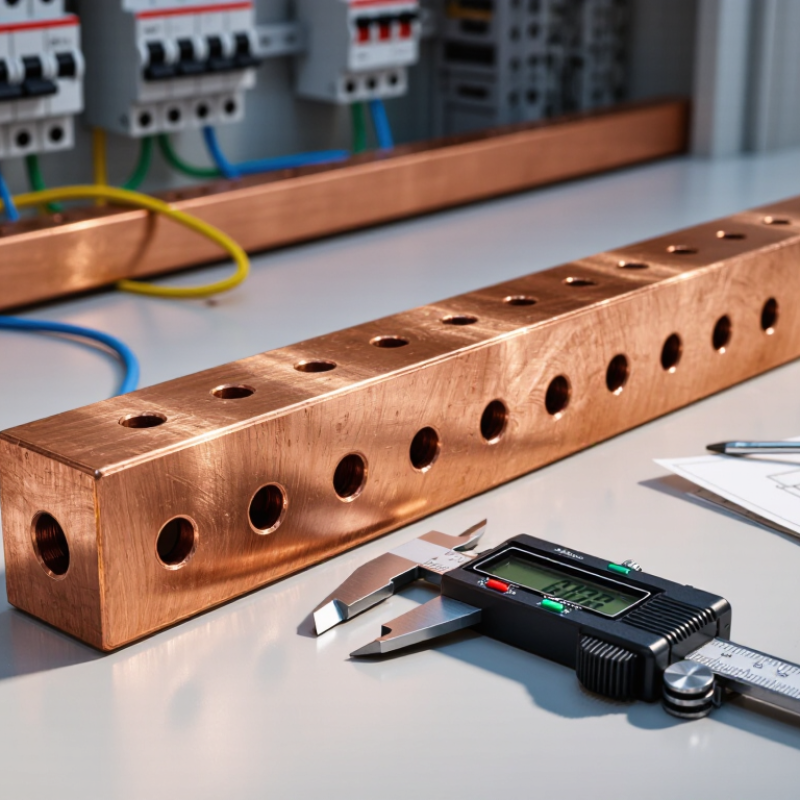
An earth bar is a conductive strip, usually copper or plated copper, that gathers protective conductors and bonds exposed metalwork. It creates an organized connection point in buildings, control panels, substations, and renewable-energy systems. During an electrical fault, it helps provide a path for fault current so protective devices can operate. It is not a substitute for the grounding electrode. IEC 60364-5-54 covers earthing arrangements and protective conductors, making local design requirements essential. The IEA’s Electricity 2024 report notes that global electricity demand grew 2.2% in 2023 and forecasts average annual growth of 3.4% for 2024–2026. More electrical infrastructure means grounding details deserve careful attention.

Tips: Check the required current capacity and bar dimensions with a qualified electrical designer. Match hole spacing and terminal sizes to the actual cables; a drawing can miss awkward site clearances. Compare copper grade, plating, insulation supports, and corrosion exposure. Ask for test documents and traceable material specifications, not just a product photograph.

For global purchasing, confirm that the bar suits the destination’s installation standards and enclosure conditions. A humid coastal cabinet may need different protection from a dry indoor panel. Consider expansion space, accessible labeling, and whether installers can tighten each connection with ordinary tools. Small details matter. I would also question unusually low prices: savings on metal thickness or finish may be hard to spot until installation or inspection. Check the final design with a qualified professional before ordering.

Which Earth Bar Specifications Match Your Application

Choosing an earth bar starts with the fault-current duty and the conductors it must connect. Check the specified short-circuit current and duration with the project engineer; copper size alone does not prove suitability. A 25 x 5 mm bar may fit a compact panel, but its capacity depends on the full design and installation. Small details matter.

Match material and finish to the environment. Bare copper suits many indoor assemblies. Tin plating may help limit surface oxidation, but it is not a cure-all. Confirm width, thickness, hole diameter, spacing, and edge clearance against the actual cable lugs. A few millimeters of pitch mismatch can mean awkward cable bends or rework. Check the enclosure layout, too.

Map every lug position before ordering. Leave room for torque tools and cable bends; a bar that fits on paper may still be difficult to tighten inside a crowded enclosure. Specify mounting holes, supports, labels, and any required test links. Verify the drawing, project requirements, and technical data together. I would still double-check the details: assumptions are easy to miss.

7 Earth Bar Buying Tips for Global Buyers — Which Earth Bar Specifications Match Your Application?

Buying Tip Typical Application Specifications to Compare Buyer Checks
1. Match the bar size to the design Small electrical panels, equipment bonding, or building main earthing points. Common catalogue examples include copper bars around 25 × 3 mm, 25 × 6 mm, and 50 × 6 mm. These are examples, not universal minimum sizes. Confirm fault-current duty, protective-device clearing time, installation conditions, and local code requirements with the project engineer.
2. Choose the material and finish Indoor switchboards, telecommunications rooms, and installations exposed to moisture or corrosive conditions. Compare copper grade and any surface coating. Bare copper is common indoors; tinned copper may be specified where the design calls for a coated contact surface. Request material and coating details. Check compatibility with connected conductors and terminals, especially where dissimilar metals may contact.
3. Plan the connection holes Bars connecting cable lugs, bonding conductors, equipment frames, or test links. Specify hole diameter, spacing, edge distance, and whether holes are threaded or plain. Hole patterns should suit the selected terminal hardware. Share the lug or terminal drawings and fastener sizes. Do not assume that a standard hole pattern will fit every supplier’s equipment.
4. Check connection capacity and layout Distribution boards with multiple protective-earth or bonding conductors. Compare the number and arrangement of connection points, available bar length, and clearance for lugs, washers, and tools. Allow space for the actual cable lugs and required tightening access. Confirm that each connection can be identified and inspected after installation.
5. Specify supports and insulation Bars mounted inside enclosures or on electrical panels. State the required stand-off height, support material, mounting-hole layout, and whether the bar is to be insulated from its mounting surface. Check the enclosure layout, voltage and installation requirements, mechanical loading, and the project’s earthing arrangement before selecting supports.
6. Consider the site environment Coastal, industrial, humid, dusty, or outdoor installations. Review the bar finish, support materials, protective enclosure, and the manufacturer’s stated environmental limitations. Assess corrosion exposure and condensation risk at the actual location. A coating alone does not replace suitable enclosure and installation design.
7. Verify drawings and documentation International projects, replacement work, and installations requiring inspection or traceability. Request a dimensioned drawing, material information, hole pattern, finish details, and applicable test or compliance documents. Check the specified national rules and project requirements. Confirm that the delivered bar matches the approved drawing before installation.

Selection note: Earth-bar dimensions and connection details must be verified against the project design, applicable electrical rules, and the required fault-current performance. The size examples above are indicative catalogue formats, not design recommendations.

How to Evaluate Materials, Quality, and Compliance

An earth bar’s material should match its environment and electrical design. Copper offers strong conductivity and is common in grounding assemblies. Tin plating can help limit surface corrosion, especially in damp or coastal locations. Check the specified alloy, dimensions, and plating thickness against the project drawings. A bright finish alone proves little.

Small details matter. Inspect hole spacing, edge burrs, flatness, and thread quality. Rough edges can complicate cable-lug installation; uneven plating may expose base metal. Ask for material certificates, inspection records, and test reports tied to the actual production batch. Confirm the bar’s rated current and short-circuit withstand capacity suit the system. If the supplier cannot explain those ratings, pause.

Compliance depends on the destination, installation type, and project specification. Request the applicable standard references and documentation, then verify them with the project engineer or qualified local reviewer. Check that certificates describe the exact product, not merely a similar family. Packaging matters too: sealed protection helps prevent scratches and contamination during shipping. It is easy to overvalue low price or polished appearance. I might still miss something on a first inspection, so record questions and resolve them before approving the order.

How to Verify Suppliers and Product Documentation

7 Earth Bar Buying Tips for Global Buyers
How to Verify Suppliers and Product Documentation

For an earth bar, verify the factory and the paperwork together. Ask for the supplier’s registered business details, manufacturing address, and a recent production record. Make sure they match across quotations, invoices, and test reports. Request a material certificate stating copper grade, plus drawings showing bar dimensions, hole spacing, and finish. Check that the quoted current rating and test conditions match your specification.

Small details matter. The ISO Survey 2022 recorded more than 1.2 million ISO 9001 certificates worldwide. That shows the standard’s broad use, not that any specific earth bar meets your requirements. Check the certificate’s scope, issuing body, expiry date, and covered site. Ask for batch traceability and test results tied to the exact product model. A polished scan can still be incomplete; verify report numbers with the issuing laboratory where practical.

For international orders, compare packing lists, labels, and shipping documents against the approved product description. The World Bank’s Logistics Performance Index 2023 assessed 139 economies, including tracking and tracing. Clear lot codes help buyers follow goods through the supply chain. Keep a signed drawing and approved sample on file. If plating thickness or hole positions are unclear, pause and ask for written confirmation. It can feel slower, but assumptions here are easy to regret.

Gold Bar Fineness: Key Specifications for Global Buyers

Common gold bar specifications include 995‰, 999‰, and 999.9‰ fineness. Before buying, match the stated fineness to the bar’s assay certificate and product markings, and confirm that the documentation applies to the specific bar. These specifications are examples, not universal requirements.

How to Compare Costs, Shipping, and Import Requirements

An earth bar is a safety component, so compare engineering details before comparing unit prices. Check copper or brass grade, dimensions, hole spacing, plating, and rated fault-current performance. Request drawings and test reports against the applicable IEC requirements, such as IEC 60364 for electrical installations. A low quote may omit drilling, protective coating, or export packing. That difference matters.

Shipping can change the real price. UNCTAD reports that maritime transport carries over 80% of world merchandise trade by volume. The World Bank’s 2023 Logistics Performance Index analysis found an average 44 days for shipments to travel from entry point to destination. Ask suppliers for packed dimensions, gross weight, pallet details, and Incoterms. Compare door-to-door quotes, not just ocean freight. A small bar can still incur high handling fees.

Tip: Confirm the destination country’s tariff classification, duty rate, marking rules, and required conformity documents with its customs authority or a qualified broker. Request a sample and inspect its finish, dimensions, and labels before approving production. Keep the supplier’s test records with the shipment documents. Still, paperwork can be easy to overlook. I would verify it twice.

By continuing to use the site, you agree to the use of cookies. more information

The cookie settings on this website are set to "allow cookies" to give you the best browsing experience possible. If you continue to use this website without changing your cookie settings or you click "Accept" below then you are consenting to this.

Close