How to Effectively Purify Syngas for Industrial Use?
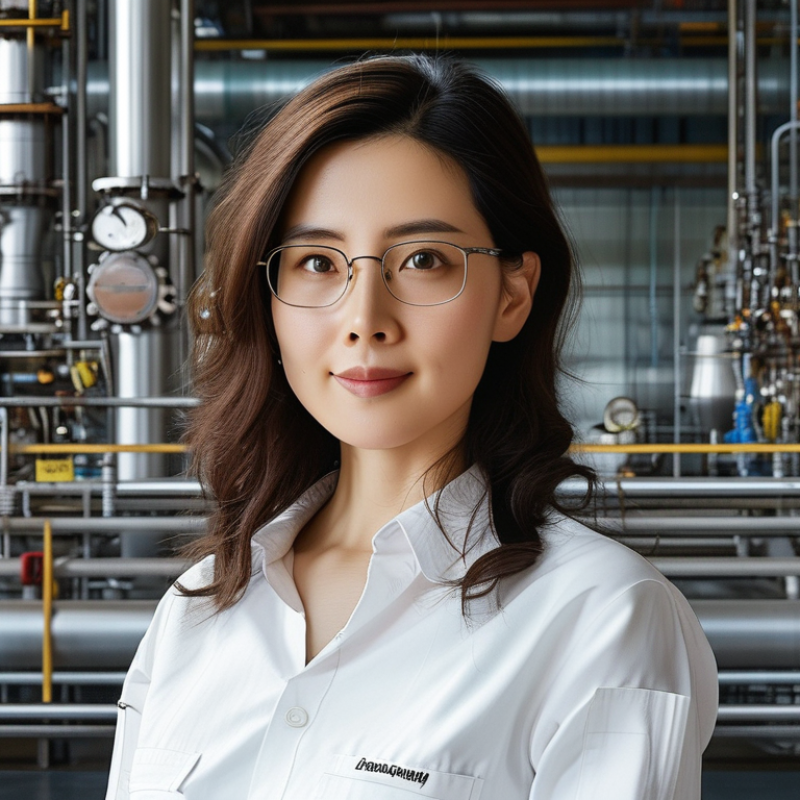
In the rapidly evolving field of alternative energy, Syngas Purification stands as a crucial process for industrial applications. Dr. Emily Chen, a leading expert in gas processing technologies, emphasizes the importance of this stage. She states, "Effective purification is the key to unlocking the true potential of syngas." This underscores a fundamental truth in the industry: without proper purification, the efficacy of syngas diminishes significantly.
Purifying syngas involves multiple techniques to remove impurities like sulfur compounds and particulates. Each method has its advantages, yet there is no one-size-fits-all solution. The challenge lies in balancing efficiency, cost, and environmental considerations. Industry leaders constantly seek innovative approaches, presenting both opportunities and uncertainties. Assessing the effectiveness of different purification technologies can be complex, often revealing gaps in understanding.
As we delve deeper into Syngas Purification, it's essential to recognize the continual advancements in this field. No technology is perfect, and there remains room for improvement. Acknowledging past mistakes in purification processes can inform future practices. This reflection is vital for developing reliable and efficient purification methods that meet stringent industrial standards.
Overview of Syngas and Its Applications in Industry
Syngas, or synthesis gas, is a crucial intermediate in many industrial processes. It is primarily composed of hydrogen, carbon monoxide, and some carbon dioxide. This mixture is produced from carbon-containing materials like coal, natural gas, or biomass through gasification. An estimated 20% of the world's hydrogen is derived from syngas, underscoring its significance in energy production, chemical synthesis, and fuel generation.
The applications of syngas are extensive. In the chemical industry, syngas is utilized to manufacture ammonia, methanol, and various hydrocarbons. The International Energy Agency (IEA) reports that the demand for syngas-based chemicals is projected to grow by 3.5% annually. This growth is linked to the increasing need for sustainable and efficient fuel alternatives. Furthermore, syngas can be converted into liquid fuels through Fischer-Tropsch synthesis, offering a pathway to replace traditional fossil fuels. Despite its advantages, the purification process remains a challenge. Contaminants can affect the quality and efficiency of downstream products, necessitating advanced purification techniques.
The extraction of syngas poses some environmental concerns too. Emissions from gasification can contribute to air pollution, showing the need for cleaner technologies. Additionally, some purification methods can be cost-intensive, highlighting the balance needed between efficiency and environmental impact. Addressing these obstacles is essential for realizing the full potential of syngas in a sustainable industrial future.
Key Contaminants in Syngas and Their Impacts on Industrial Processes
Syngas, or synthesis gas, is a crucial intermediate in various industrial processes. However, it often contains contaminants that can hinder efficiency. Key contaminants include sulfur compounds, ammonia, and particulates. These impurities can lead to equipment corrosion, catalyst poisoning, and reduced overall system performance. Understanding their impacts helps in crafting effective purification strategies.
It's essential to identify the primary pollutants in your specific application. For instance, sulfur compounds are notorious for damaging catalysts in Fischer-Tropsch synthesis. Ammonia can lead to undesirable reactions in gas reforming. Not adequately addressing these contaminants might result in costly downtimes and maintenance issues.
Tips: Regularly monitor syngas composition to detect emerging contaminants early. Implementing a multi-stage purification process can significantly enhance syngas quality. For example, using adsorbents for specific contaminants can improve efficiency and reduce operational risks. Evaluate your current purification methods critically; refining them may yield better results.
How to Effectively Purify Syngas for Industrial Use?
| Contaminant | Source | Impact on Industrial Processes | Purification Method |
| Particulates | Coal gasification | Clogs equipment, reduces efficiency | Filtration, Cyclones |
| Sulfur Compounds | Fuels, Biomass | Corrosion of equipment, poisoning catalysts | Absorption, Hydrolysis |
| Ammonia | Fertilizer production | Affects combustion efficiency | Scrubbing, Condensation |
| Carbon Dioxide | Incomplete combustion | Reduces calorific value | Separation, Membrane Technologies |
| Water Vapor | Gasification processes | Leads to environmental compliance issues | Cooling, Condensation |
Methods for Purifying Syngas: Technologies and Techniques
Purifying syngas is crucial for various industrial applications. The mixture often contains impurities like sulfur compounds, carbon dioxide, and particulates. Effective purification methods include physical, chemical, and biological technologies. Each method has its strengths and challenges.
Physical filtration techniques remove solid particulates using membranes or cyclones. They are effective but may require frequent maintenance. Chemical processes, such as absorption and adsorption, target gaseous impurities. These methods often involve solvents and specialized materials.
Biological purification utilizes microorganisms to degrade certain contaminants. While promising, scaling up these methods remains a challenge.
Tips: Monitor the temperature and pressure closely during the purification process. Small variations can impact efficiency. Always analyze the content of syngas before choosing a purification method. Not all methods suit every type of syngas.
The choice of technology depends on the specific impurities present. Consider the costs and environmental impacts of each technique. Regular evaluation can help optimize the purification process. Aim for a sustainable approach while maintaining efficiency. Continuous improvement is essential in this field.
Post-Purification Treatment: Ensuring Consistent Quality of Syngas
Post-purification treatment is essential for ensuring the consistent quality of syngas in industrial applications. Syngas, primarily composed of hydrogen and carbon monoxide, can come with impurities such as sulfur compounds, particulates, and water vapor. These impurities can negatively impact downstream processes. A report from the U.S. Department of Energy states that even small concentrations of sulfur compounds can poison catalysts used in methanol synthesis, affecting overall yields.
Effective purification techniques are crucial to mitigate these issues. For example, methods like adsorption, scrubbing, and membrane separation have proven effective. In a study by the International Energy Agency, it was shown that using a combination of these methods can reduce sulfur content to less than 10 parts per million. However, achieving such low levels requires meticulous attention to detail and may increase operational costs and complexity.
Operators should also consider regular testing of syngas quality. Inconsistent gas quality can lead to inefficient combustion and reduced energy output. According to industry data, around 20% of operational inefficiencies can be traced back to poor gas quality. This highlights the need for continuous monitoring and potential modifications in purification processes. Addressing these challenges is vital for enhancing the reliability of syngas as a clean energy source.
Economic and Environmental Considerations in Syngas Purification
The purification of syngas is crucial for its industrial applications. Economic considerations play a pivotal role in determining the best purification methods. Costs must be balanced against the efficiency and effectiveness of the purification technology. Selecting suitable materials and processes can drive expenses up or down. Using less expensive materials can reduce initial costs but may impact performance.
Environmental impacts are also significant. Emissions from purification can contribute to air pollution. It is important to minimize these during the syngas purification process. Implementing carbon capture technologies can help. However, these solutions may not be economically viable for all operations. The choice often lies in weighing short-term costs against long-term benefits.
Evaluating various technologies for syngas purification reveals gaps and opportunities. Some methods may excel in efficiency but fall short environmentally. Others may have high operational costs but are cleaner. The industry must constantly reassess these trade-offs. Innovation in purification techniques is necessary. Improvements in efficiency and reductions in environmental impact are ongoing challenges for manufacturers.