
Blog

How to Recycle Soft Drink Cans Effectively?

Recycling Soft Drink Cans is vital for our environment. These cans are made from aluminum, which is highly recyclable. Each year, millions of soft drink cans are thrown away instead of being recycled. This waste contributes to pollution and resource depletion.

Effective recycling begins at home. Many people toss their cans into regular trash bins. This practice leads to unnecessary landfill waste. It is important to encourage proper recycling habits. Collecting soft Drink Cans can help reduce waste and promote sustainability.

Finding recycling centers is easy. Local communities often have designated drop-off locations. However, many individuals may not know where to find these centers. This lack of awareness can hinder recycling efforts. We must continue to educate ourselves and others about the importance of recycling soft drink cans.
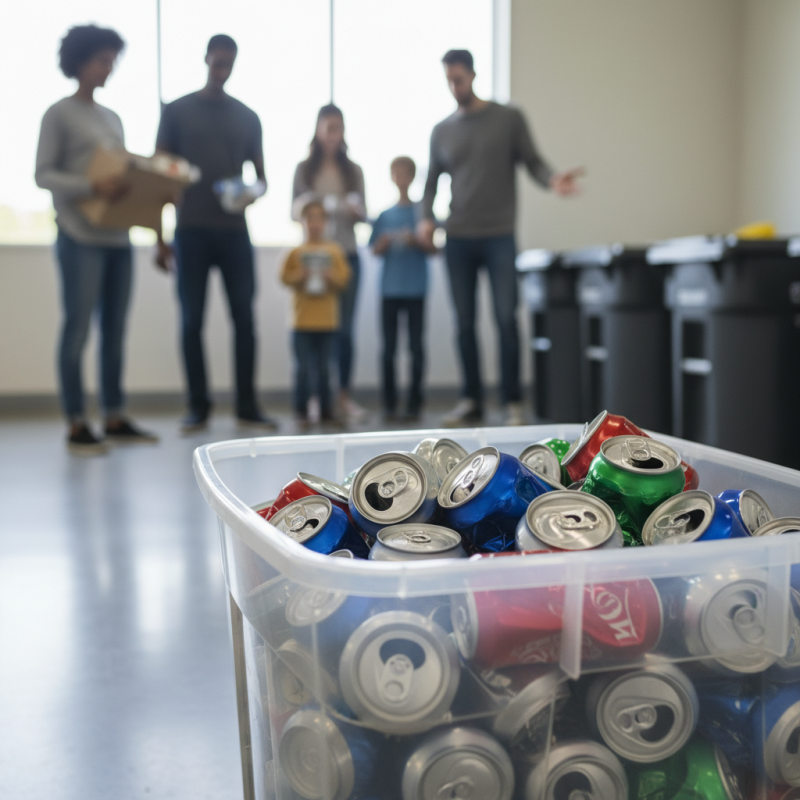
How to Recycle Soft Drink Cans Effectively?

Understanding the Importance of Recycling Soft Drink Cans in Sustainability

Recycling soft drink cans plays a vital role in promoting sustainability. These cans are primarily made of aluminum, a material that is infinitely recyclable. By recycling them, we reduce the need for new aluminum production, which is energy-intensive and harmful to the environment. Each recycled can saves enough energy to power a TV for three hours. This emphasizes the tangible benefits of recycling and highlights its importance in reducing our carbon footprint.

However, not everyone recycles effectively. Sometimes, people throw cans into regular trash or forget to rinse them out. Contaminated cans can spoil entire batches of recyclables. It’s crucial to ensure that these items are clean and dry before placing them in recycling bins. Simple actions, like rinsing cans quickly, can make a significant difference. Every small effort counts toward larger sustainability goals.

Awareness about proper recycling practices needs to be improved. Many are unaware of how recycling works or its benefits. Educational initiatives can help reinforce this knowledge. So, the next time you enjoy a soft drink, think about your choices. Every can you recycle is a step towards a cleaner planet and a more sustainable future.

How to Recycle Soft Drink Cans Effectively? - Understanding the Importance of Recycling Soft Drink Cans in Sustainability

Recycling Method Environmental Impact (CO2 Reduction) Energy Saved (kWh per ton) Materials Recovered (lbs per ton) Recycling Rate (%)
Curbside Pickup 0.5 tons CO2 7000 kWh 1700 lbs 50%
Drop-off Centers 0.6 tons CO2 8500 kWh 1800 lbs 60%
Reverse Vending Machines 0.7 tons CO2 9000 kWh 1900 lbs 70%
Community Recycling Events 0.8 tons CO2 10000 kWh 2000 lbs 80%
Educational Programs 0.3 tons CO2 5000 kWh 1600 lbs 40%

Types of Soft Drink Cans and Their Recyclability: An Overview

Soft drink cans come in various types, each with different recyclability levels. Primarily, aluminum cans dominate the market. According to the Aluminum Association, about 75% of all aluminum ever produced is still in use today. This high recyclability rate makes aluminum ideal for sustainable practices.

Other types of cans include steel cans, commonly used for some beverages. However, their recyclability can be less efficient. Steel is recyclable, but not as widely processed like aluminum. The recycling rate for steel cans is approximately 70% in many regions. Understanding these differences can improve recycling efforts.

To recycle effectively, here are some tips. Always rinse out cans before recycling. This removes residue and avoids contamination. Also, remove any labels when possible. Contamination is a significant barrier, discouraging recyclers. Lastly, check local guidelines. Not all facilities accept all can types.

Many people are unaware of how to recycle properly. It's a simple act, yet often overlooked. Education on recyclability can lead to better practices. Efforts to increase awareness are crucial as many still mix types of cans. A small change can lead to a larger impact.

Step-by-Step Process for Cleaning and Preparing Cans for Recycling

Recycling soft drink cans involves a careful cleaning process. Start by rinsing cans with water. This removes residue and odors. A study by the Aluminum Association shows that clean cans have a higher recycling rate. Dirty cans can lead to contamination, making recycling less efficient.

After rinsing, remove labels if possible. Labels can complicate the recycling process. Even small pieces can affect quality. It might seem tedious, but every little effort counts. Crushing the cans after cleaning helps save space. It also makes collection easier. The recycled aluminum requires 95% less energy than producing new aluminum.

Not all areas provide easy access to recycling facilities. Some people may not prioritize recycling due to inconvenient locations. Addressing these barriers is important. Communities can benefit from more accessible recycling programs. Awareness is key. Educating others about the importance of properly preparing cans can lead to better recycling rates. Every clean can makes a difference in reducing waste.

Key Statistics on Aluminum Can Recycling Rates and Environmental Impact

Recycling aluminum cans is crucial for our environment. In the United States, around 50 billion aluminum cans are thrown away each year. Surprisingly, only about 40% of these are recycled. This leaves a significant amount of waste that contributes to pollution. Recycling aluminum saves energy. It requires 95% less energy than producing new cans.


The benefits of recycling aluminum are clear. Each recycled can reduces greenhouse gas emissions. In fact, recycling one can saves enough energy to power a television for three hours. Still, the statistics reveal a stark reality. Not all cans end up in recycling bins. Many cans sit in landfills, where they take decades to decompose.


Communities can improve these rates. Education about recycling is vital. Campaigns on proper disposal can make a difference. People often lack awareness of the environmental impact. Simple actions, like rinsing out cans or seeking local recycling programs, can lead to greater participation. Addressing these challenges could enhance aluminum can recycling significantly.

Tips for Maximizing Recycling Efforts in Local Communities and Programs

Recycling soft drink cans can significantly benefit local communities. According to the Aluminum Association, recycling aluminum cans can save up to 95% of the energy required to make new cans. This fact highlights the importance of effective recycling programs. Communities can greatly improve their recycling rates with the right strategies. Simple efforts can make a difference.

Local campaigns should focus on educational outreach. Awareness programs demonstrate how easy it is to recycle cans. Often, people are unaware of their local recycling policies. A survey by the National Recycling Coalition found that communities with clear guidelines report higher recycling rates. Engaging local schools can also be effective. Children often influence family behaviors and can promote recycling habits at home.

Establishing convenient collection points is vital. If cans are easily accessible, more people will participate. Many cities fail to provide enough recycling bins. According to the Environmental Protection Agency, nearly 75% of recyclable materials end up in landfills. This points to the need for improvement. Regular community clean-up events can also encourage recycling. They foster a sense of pride and responsibility among residents.

Article Source:

By continuing to use the site, you agree to the use of cookies. more information

The cookie settings on this website are set to "allow cookies" to give you the best browsing experience possible. If you continue to use this website without changing your cookie settings or you click "Accept" below then you are consenting to this.

Close