Why Are Artificial Lift Technologies Essential for Oil Production?
Artificial Lift Technologies play a pivotal role in boosting oil production. These technologies are essential when natural pressure in wells declines. In many cases, they ensure consistent oil flow. Without them, production rates can drop drastically, impacting economies and energy supplies.
Oilfields often face challenges that reduce output. For instance, high-viscosity oil requires efficient lifting methods. Artificial Lift Technologies, like pumps or gas lifts, can address these issues. They enhance recovery rates and extend the life of wells, making them indispensable.
However, the implementation of these technologies is not without flaws. Despite advancements, inefficiencies still exist in their operations. Many companies must regularly assess these systems to maximize productivity. Moreover, the environmental impact of some methods raises concerns. Continuous improvement is necessary to balance efficiency and sustainability in oil production.
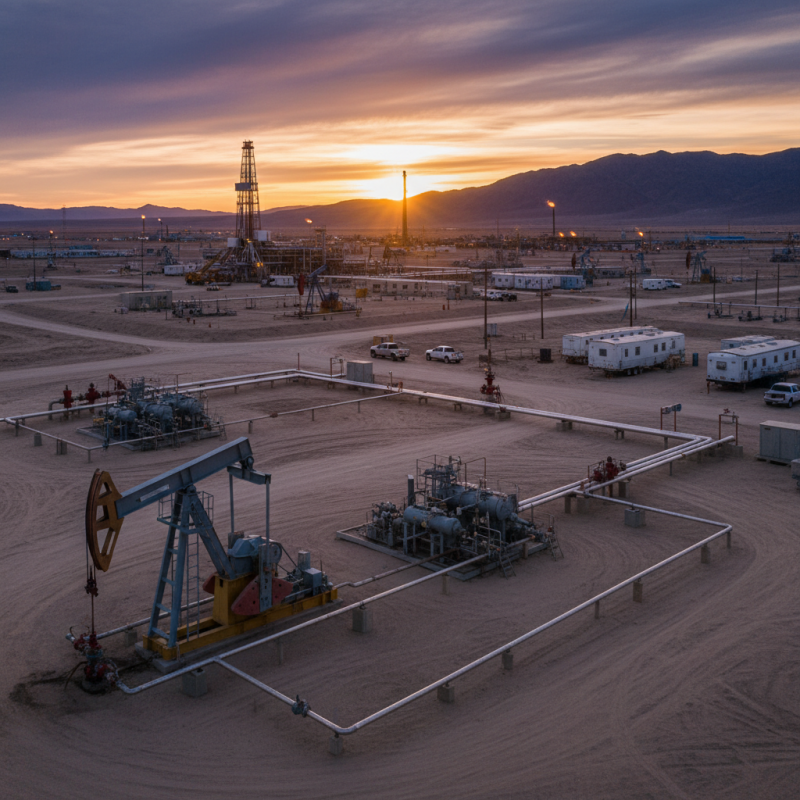
What is Artificial Lift Technology in Oil Production?
Artificial lift technology is crucial in oil production. It helps extract oil from wells that are no longer flowing freely. This technology uses various methods to increase pressure in the well, enabling more oil to be captured. Pumps, gas lift, and electric submersible pumps are common types of artificial lift.
For effective use, understanding well conditions is essential. Some methods work better in certain environments. Operators must analyze the reservoir characteristics. This ensures the chosen method aligns with the well's specific needs.
Tip: Regularly monitor the well’s performance. Small adjustments can lead to significant results. Be open to experimenting with different techniques. Not all methods will yield the same outcomes. Reflection on past experiences helps refine strategies.
In many cases, Artificial Lift Systems fail to meet expectations. Operators must identify those failures effectively. This could stem from incorrect initial assessments or equipment malfunctions. A proactive approach to maintenance can mitigate some of these issues. Always be ready to adapt and innovate.
The Importance of Artificial Lift for Enhancing Oil Recovery
Artificial lift technologies play a crucial role in maximizing oil recovery rates. These systems enable operators to extract oil from wells that might otherwise be too inefficient to produce. By reducing the hydrostatic pressure in the well, artificial lift methods help to maintain flow even under challenging conditions. High viscosity and low reservoir pressure can severely limit production, but with the right technology, these barriers can be overcome.
One common method involves the use of pumps or gas lift systems. These technologies push oil to the surface, boosting production efficiency. However, not all wells benefit equally. Some might require continuous adjustments and maintenance, which can be costly and time-consuming. Additionally, some technologies might not perform well at certain depths or temperatures. Operators must analyze well conditions carefully before selecting a system.
Enhancing oil recovery is not just about technology; it's also about strategy. Data analysis is necessary to determine the optimal approach for each well. Even with advanced tools, surprises can occur. Unexpected equipment failures or changing reservoir conditions may disrupt production. A proactive approach to monitoring and maintenance is essential to address these issues promptly, ensuring that recovery rates remain high.
Types of Artificial Lift Methods and Their Applications
Artificial lift technologies play a crucial role in maximizing oil production. They help extract hydrocarbons from wells that lack sufficient natural pressure. Different methods exist, each offering unique advantages. The choice often depends on the specific characteristics of the oil reservoir.
One popular method is rod pumping. It uses a series of mechanical components to lift oil to the surface. This method works effectively in many fields, but it can be inefficient at greater depths.
Another commonly used method is gas lift. This technique introduces gas into the well, reducing the density of the liquid column. It can boost production but requires careful management of the gas supply.
Electric submersible pumps (ESPs) are also widely used. They are effective for deep wells and can handle high liquid volumes. However, they rely heavily on a robust power supply, which can pose challenges in remote locations.
Regardless of the method chosen, each has its limitations and necessitates ongoing evaluation to ensure optimal performance.
Challenges and Limitations of Using Artificial Lift Technologies
Artificial lift technologies are crucial for enhancing oil production in many fields. However, they come with challenges and limitations that players in the industry must confront. The choice of lift system is often influenced by the specific conditions of the oil reservoir. For instance, gas lift might be effective in some wells, while electrical submersible pumps could be needed in others. Each method has its own set of advantages and drawbacks.
Physical limitations are inherent in these technologies. High operational costs can arise, particularly in remote areas. Regular maintenance is necessary, and unexpected failures can lead to significant downtime. Moreover, production rates can be inconsistent, which complicates planning. The risk of environmental impact also cannot be ignored, especially with systems that require large amounts of energy.
Sometimes, operators overlook essential factors. They might not assess the reservoir conditions thoroughly. This oversight can lead to suboptimal decisions when selecting the lift technology. Furthermore, there are instances when the attempts to innovate create more problems than they solve. Balancing efficiency with environmental responsibility is not straightforward, and this dilemma often leads to reflection on current practices.
Why Are Artificial Lift Technologies Essential for Oil Production? - Challenges and Limitations of Using Artificial Lift Technologies
| Dimension | Description | Challenges | Limitations |
| Pump Efficiency | Effectiveness of pump systems in transporting fluids from the reservoir | Potential for wear and tear affecting performance | Limited efficiency at varying depths or well conditions |
| Installation Cost | Initial investment required for artificial lift systems | High capital expenditure may not be justified for all wells | Long-term profitability can be uncertain |
| Maintenance Requirements | Ongoing servicing needed to ensure optimal operation | Downtime during maintenance can reduce production | Complexity of some systems increases maintenance difficulty |
| Operational Flexibility | Ability to adapt to changes in reservoir conditions | Limited by the design of the installed systems | Customization can be expensive and time-consuming |
| Environmental Impact | Effect of lift technologies on the surrounding environment | Risk of spills or leaks from mechanical failures | Environmental regulations may limit certain technologies |
Future Trends in Artificial Lift Technologies for Oil Industry
Artificial lift technologies play a vital role in the oil industry. Their importance grows as fields age. Production rates often decline without these systems. Recently, innovation in this area has been remarkable. Companies explore new techniques to enhance efficiency. More sustainable methods are emerging alongside traditional practices.
One trend includes the integration of artificial intelligence. AI helps optimize lift operations, predicting failures before they occur. This approach reduces downtime and maintenance costs. Additionally, smart sensors collect real-time data. This provides valuable insights for decision-making. However, reliance on technology raises questions. What happens if systems fail? Over-dependence may create vulnerabilities.
Another emerging focus is the use of renewable energy sources in artificial lift operations. Solar and wind energy are being considered for powering lift systems. This transition challenges traditional methods but offers potential environmental benefits. It sparks debates about feasibility and cost-effectiveness. The road ahead is uncertain, but innovation must continue. Only through reflection and adaptation can the industry move forward effectively.