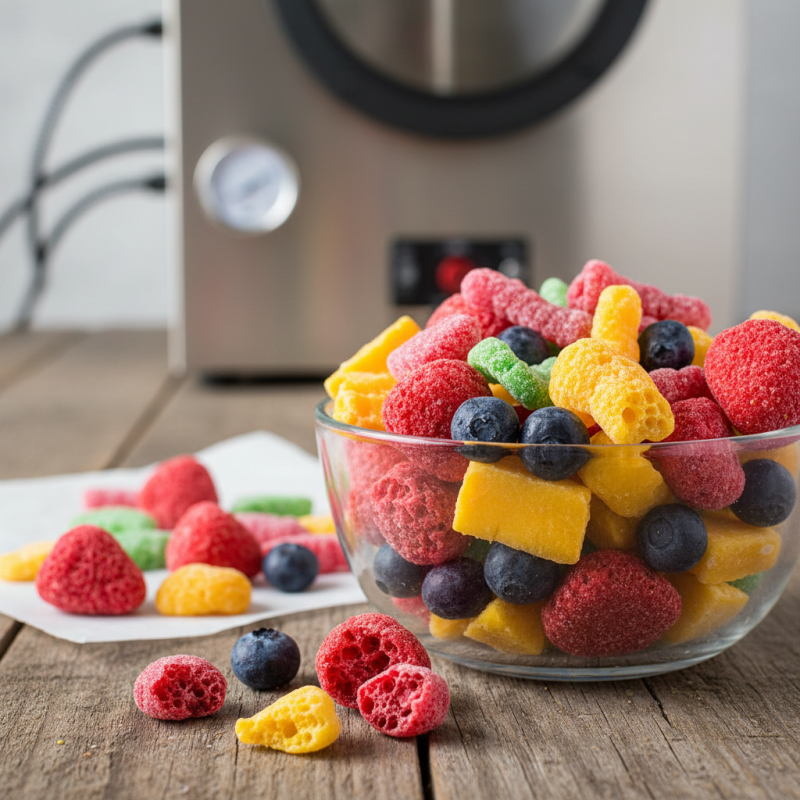
What is Freeze Dry Candy and How is it Made?
Freeze Dry Candy has become a popular treat for many. This unique candy is created using a special process that removes moisture without cooking the ingredients. The result is a light, crunchy snack that retains its original flavor and nutrients.
Making Freeze Dry Candy involves several steps. First, fresh fruits or other ingredients are prepared. Then, they are frozen at very low temperatures. Once frozen, a vacuum is applied, allowing ice to turn directly into vapor, leaving behind the candy. This method preserves the candy's bright colors and tastes, making it visually appealing.
However, the process can be tricky. Not every ingredient works well in freeze-drying. There are often failures when certain fruits or mixtures do not yield desirable results. It requires experimentation and patience to achieve the perfect texture. Despite these challenges, the allure of Freeze Dry Candy continues to grow, inviting more people to explore this fascinating treat.
What is Freeze Dry Candy?
Freeze-dry candy has gained popularity in recent years. This tasty treat goes through a unique process called freeze-drying. It removes moisture while keeping the original flavors and textures intact. The result is a lightweight, crunchy snack that can be enjoyed anywhere.
During freeze-drying, candies are first frozen to preserve their structure. Then, they undergo sublimation. This means ice turns directly into vapor, leaving behind a dry product. According to industry reports, freeze-dried snacks have seen a market growth of 10% annually. This trend shows consumers’ growing love for innovative snacks.
**Tips**: If you're trying freeze-dried candy for the first time, choose varieties with vibrant colors and clear flavors. They often indicate better quality. However, not all freeze-dried candies will meet your expectations. Some may lose their original sweetness or taste bland after the drying process. Always sample a few types to discover your favorites.
The History of Freeze Dry Candy
Freeze-dried candy has a fascinating history that dates back to the mid-20th century. The process began during World War II. Soldiers needed lightweight, nutritious food. Traditional preservation methods were too bulky. Scientists developed freeze-drying as a solution. This technique removed moisture while retaining flavor and nutrients.
Initially, freeze-dried products were limited to meals and fruits. Over time, candy manufacturers recognized the potential. They experimented with various types of sweets. The result was a unique treat that retained the original flavors but gained an airy texture. Consumers became curious about this new type of candy. Its novelty attracted both children and adults alike.
The methods of freeze-drying are not as straightforward as they seem. The process involves specific temperatures and vacuum conditions. Any miscalculation can lead to poor texture or taste. Some brands faced challenges in maintaining quality. As the trend grew, so did the competition. Today, many different flavors are available, but not all succeed. There remains room for improvement in techniques. Some candies miss the mark and leave consumers wanting more.
Freeze Dry Candy Popularity Over the Years
The Freeze Drying Process Explained
Freeze drying, also known as lyophilization, is a unique method used to preserve food. It removes moisture by first freezing the food and then slowly reducing the surrounding pressure. This process allows water to sublimate, turning directly from ice to vapor. According to the National Institute of Food Technology, this method retains up to 97% of the nutrients, making it a favored choice for health-conscious consumers.
During the freeze drying process, temperatures drop to about -40°F. The food maintains its structure and flavor. However, not all foods are ideal candidates for freeze drying. Some fruits can turn mushy, losing their original texture. While vegetables like peas freeze well, their taste may not be as vibrant post-process. The difference in results can lead to consumer confusion.
The market for freeze-dried products has been rising steadily. Research indicates a projected growth rate of nearly 10% annually. This trend reflects a growing interest in long-term food storage and convenience. Freeze-dried candy, for example, presents a fascinating twist. It captures flavors while ensuring a light, crunchy texture. Still, producing these delightful treats consistently poses challenges. The equipment is expensive, and the process requires precision. Small-scale producers may struggle to maintain high quality as they scale.
Popular Types of Freeze Dry Candy
Freeze dry candy has become a delightful treat that many enjoy. This unique candy retains most of the flavor and nutrition of the original ingredients. Its texture is light and airy, making it a fun snack. Some popular types of freeze dry candy include fruits, gummies, and even chocolates.
Freeze-dried fruits are especially popular. Strawberries and bananas often shine in this format, offering bursts of flavor. Each piece is light, easy to munch on, and packed with taste. Gummies are transformed too, becoming crunchy shells that melt in your mouth. Chocolate can be freeze-dried as well, turning into delightful, crispy bites. Not all chocolate works well, though. The process can sometimes alter the taste unexpectedly.
The charm of freeze dry candy lies in its variety. There’s something for everyone. However, some variations may not please all. The crisp texture might not suit everyone’s palate. It's important to experiment and find favorites. Overall, the adventure of trying these candies is part of the fun.
What is Freeze Dry Candy and How is it Made? - Popular Types of Freeze Dry Candy
| Type of Freeze Dry Candy | Ingredients | Creation Process | Texture | Taste |
| Fruit Snacks | Fruits (e.g., strawberries, bananas) | Freeze-dried through sublimation process | Crispy and airy | Intensified natural sweetness |
| Marshmallows | Sugar, gelatin, and flavorings | Made from whipped mixture, then freeze-dried | Light and crunchy | Sweet and fluffy |
| Candy Bars | Chocolate, nougat, nuts | Fully integrated, then freeze-dried | Crunchy outer layer, soft inside | Sweet with rich flavors |
| Vegetables | Vegetables (e.g., peas, corn) | Steam-blanched, then freeze-dried | Crisp and lightweight | Savory, slightly sweet |
| Ice Cream | Ice cream mix | Frozen quickly, then freeze-dried | Crispy but melts in the mouth | Rich and creamy flavors |
Benefits and Drawbacks of Freeze Dry Candy
Freeze dry candy has gained popularity for its unique texture and flavors. However, it’s essential to weigh its benefits and drawbacks.
One significant advantage of freeze dry candy is its extended shelf life. According to food preservation studies, this method can preserve candy for several years without losing taste or nutrients. The removal of moisture inhibits microbial growth, making it a convenient treat for camping or emergency supplies. Additionally, freeze-dried candies are lightweight, making them easy to transport.
Despite these benefits, there are drawbacks. The freeze-drying process can be expensive and time-consuming. Not all candies perform well under this method. Some lose their original appeal and flavor during drying. Moreover, the texture can differ greatly from traditional candies. This can lead to an unsatisfactory experience for some consumers.
Tips: When trying freeze dried candy, start with small amounts. This helps you assess if you enjoy the texture and taste. Store it in a cool, dry place for longevity. Always check packaging for any signs of moisture, as this can ruin your candy’s quality.