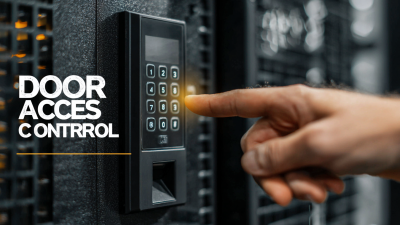
2026 How to Choose the Best Door Access Control Systems?
Choosing the best Door Access Control Systems is crucial for security and convenience. These systems protect properties from unauthorized entry. With advancements in technology, options are abundant. Yet, this variety can also create confusion.
Many businesses struggle to find the right system. They often focus on cost rather than functionality. It's easy to overlook essential features like user management. Each system has unique specifications that need careful consideration. A well-chosen system enhances security, while a poor choice can lead to vulnerabilities.
As you explore your options, think about your specific needs. What level of access control is required? Are there multiple entry points to monitor? Understanding these factors helps narrow choices. Investing in the right Door Access Control Systems can safeguard assets and provide peace of mind.
Factors to Consider When Selecting Door Access Control Systems
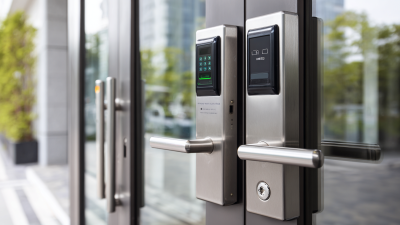
Choosing the right door access control system is vital for security. Many factors influence this decision. One key consideration is the type of access method. Systems utilize keycards, biometrics, or mobile apps. Each has its pros and cons. For example, biometrics can be highly secure but may pose privacy concerns. Keycards are easier to manage but can be lost easily.
Another factor is scalability. Will the system grow with your organization? Ensure the technology accommodates future expansions. Evaluate user-friendliness, too. Complex interfaces might lead to errors or low adoption rates. It is essential to train staff properly.
Cost is always a concern. High initial investments may not always equate to better security. Consider long-term maintenance and support. Sometimes, cheaper options can lead to more issues down the line. Reflect on your unique needs. A one-size-fits-all approach often doesn't work. Take time to assess before making a decision.
Types of Door Access Control Technologies Available
When selecting door access control systems, it's crucial to understand the available technologies. Keypad entry is a popular option. Users enter a passcode to gain access. It's simple but can be risky if codes are shared or forgotten. Regularly changing codes can help enhance security.
Biometrics offer a more advanced solution. Fingerprint and facial recognition systems provide unique access. They reduce the chances of unauthorized entry. However, they can sometimes fail due to technical issues. It's important to have a backup method in place.
Key cards and fobs are widely used. They are convenient and easy to manage. However, they can be lost or stolen, posing security concerns. Remote monitoring systems can complement these options, allowing for real-time tracking of access events. This approach adds a layer of sophistication but requires proper setup and maintenance. Each technology has its pros and cons, making it vital to assess your specific needs.
Evaluating the Security Features of Access Control Systems
When evaluating the security features of door access control systems, it's crucial to focus on several key aspects. A report by the Security Industry Association highlights that 42% of organizations consider integration with existing systems as a priority. This integration is essential for seamless operations. Systems that can't connect with other security solutions can lead to vulnerabilities.
Authentication methods are another critical feature. Strong systems utilize multiple methods, such as biometrics and smart cards. According to a recent study, multi-factor authentication can reduce unauthorized access by up to 80%. Yet, some businesses still rely solely on traditional keys, leaving them exposed to risks. It's a clear disparity that needs to be addressed.
The monitoring capabilities of access control systems also warrant attention. Real-time alerts and access logs help organizations respond swiftly to security breaches. However, many systems fall short in providing comprehensive analytics. Without these insights, organizations may struggle to improve their security posture effectively. It's imperative to reflect on these shortcomings when selecting a system.
Evaluating the Security Features of Access Control Systems
Integration Options with Existing Security Infrastructure
Integrating door access control systems with existing security infrastructure is crucial. Many organizations overlook this aspect during selection. Research indicates that 74% of businesses fail to evaluate compatibility with current systems. This oversight can lead to fragmented security measures and increased vulnerabilities.
When selecting a system, consider interoperability with other security technologies. Alarm systems, surveillance cameras, and visitor management tools should work seamlessly together. A report from a leading security advisory firm highlights that aligned systems can reduce security incidents by up to 30%. Businesses need to prioritize systems that offer robust API support or open architecture.
Incorporating advanced features, like biometric options or cloud connectivity, can enhance the overall security framework. However, companies must reflect on the potential complexity of integration. Managing multiple technologies can create confusion. Effective training is essential for staff to navigate the integrated environment correctly. Balancing innovation and usability is vital for a smooth transition.
Cost Analysis and Budgeting for Access Control Solutions
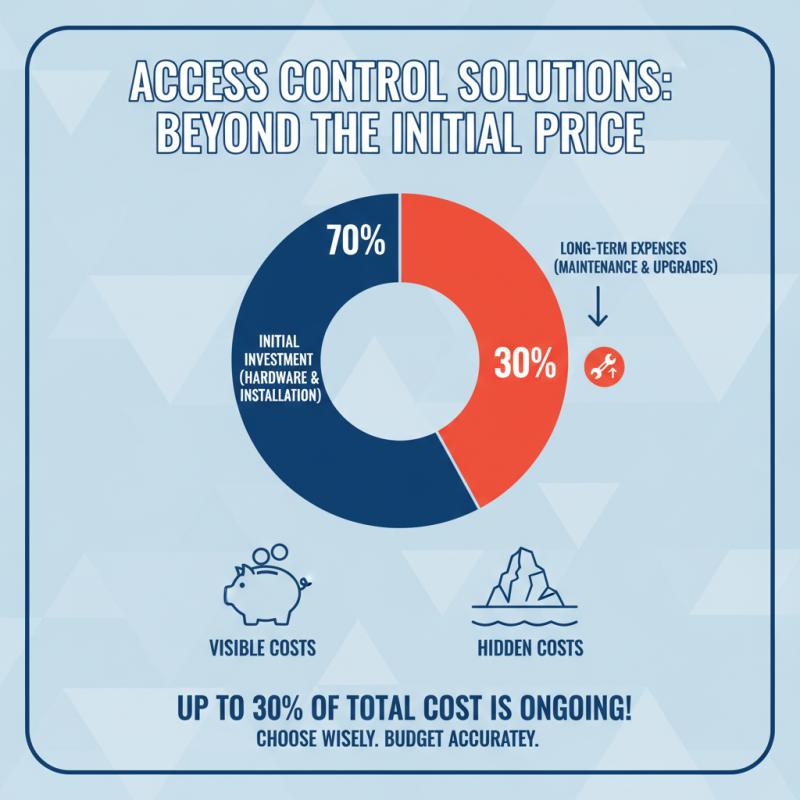
Cost analysis is crucial when choosing access control solutions. Many organizations overlook long-term expenses. The initial investment may seem appealing, but hidden costs can arise. For instance, maintenance and upgrading expenses can add up significantly. According to a recent industry report, up to 30% of the total cost lies in these ongoing expenses. Companies must factor these costs into their budgets.
Budgeting for access control is a balancing act. It's essential to assess the organization’s specific needs. Organizations often underestimate user training costs. Some studies indicate that neglecting proper training can lead to a 20% decrease in system effectiveness. This issue often leads to frustration among employees. Additionally, security breaches can occur, costing companies thousands.
A comprehensive cost breakdown can guide decision-making. Physical equipment costs vary widely. Consultations and installations have their fees, often overlooked in budget planning. Integrating these elements early can prevent budget overruns. Reflecting on these factors is vital. Consider not just the price tag, but the entire lifecycle of the system. It’s an investment in security and peace of mind.