
In the evolving landscape of engineering and manufacturing, choosing the right Titanium Cap Screw can be daunting. Industry expert Dr. Jane Thompson, who has over 15 years of experience in materials science, emphasizes, "Selecting the correct Titanium Cap Screw is crucial for performance and longevity." Her insights reflect the importance of understanding material properties and application requirements.
Titanium Cap Screws are unique. They offer superior strength and corrosion resistance. However, not all screws are the same. Various grades and specifications exist. Knowing the difference is vital. For instance, Grade 5 Titanium is commonly used for aerospace applications. It ensures reliability and durability.
Yet, many still struggle with their choices. Misunderstanding specifications leads to failures. Research and consulting experts can help avoid mistakes. It's essential to consider factors like load capacity and environmental exposure. A well-informed decision ensures optimal performance and safety in your projects.
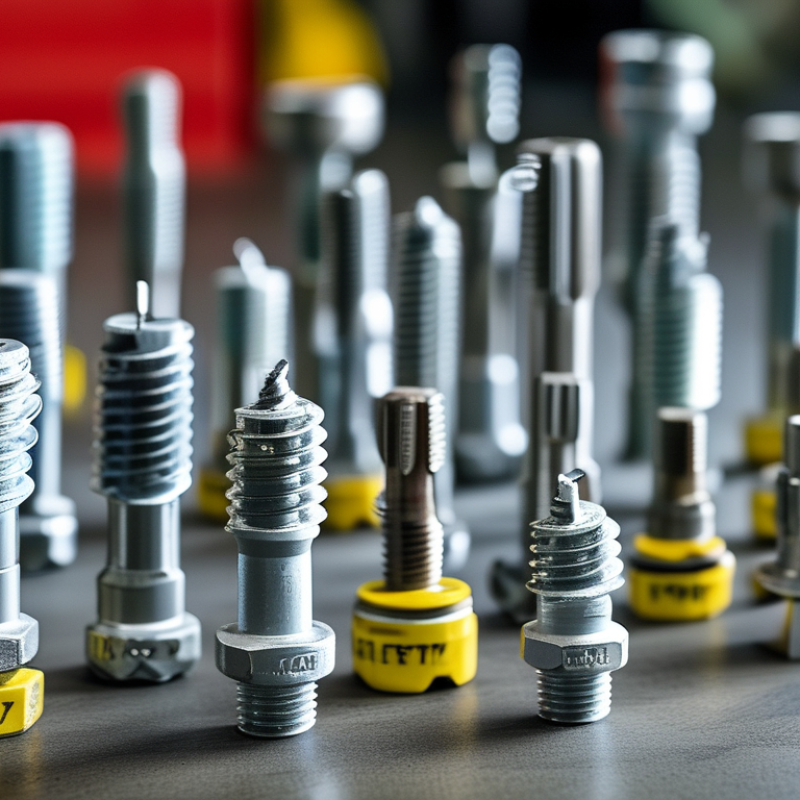
Titanium cap screws are vital components in various applications. They come in different types and specifications, making the selection process crucial. The most common types include grade 5 and grade 6. Each grade has unique properties that suit different environments. For instance, grade 5 is known for its excellent strength-to-weight ratio.
Understanding specifications is equally important. The diameter and length of the screw affect its performance. You may require different dimensions depending on your project needs. Factors such as tensile strength and corrosion resistance also play a role in your choice. High tensile strength ensures better reliability under stress, while corrosion resistance is essential in harsh environments.
It’s important to reflect on your specific needs. Your choice may not always be straightforward. Sometimes, what seems robust may not suit high temperatures. Testing your selected screws under real conditions can reveal unexpected weaknesses. Assessing all these elements can lead to a more informed decision on titanium cap screws.
When selecting a titanium cap screw, understanding your strength and durability requirements is crucial. Different applications demand different levels of performance. For instance, aerospace components face extreme stress and weight requirements. In contrast, everyday household items might only need basic durability. Identify your specific needs to ensure that you choose the right screw.
Strength is often measured in terms of tensile and yield strength. Titanium offers excellent strength-to-weight ratios, making it ideal for demanding applications. However, it’s essential to determine if you need the highest grade of titanium or if a lower grade meets your needs. An over-engineered solution can lead to unnecessary costs and complications.
Durability also includes corrosion resistance. Titanium resists corrosion better than many metals, making it suitable for harsh environments. Yet, not all titanium alloys provide the same level of resistance. Researchers often overlook this aspect, leading to premature failures in projects. Be clear about environmental conditions. Analyze how various conditions might affect the lifespan of the cap screw you choose.
When selecting a titanium cap screw, understanding corrosion resistance is key. Titanium offers superior resistance to various corrosive environments. However, the alloy composition can significantly affect this property. Consider the specific conditions your screws will face. High-salt environments require different grades than those found in freshwater or indoor settings.
Tips: Always check the corrosion rate of titanium alloys. This can guide you in finding the most suited option for long-lasting durability. Avoid general assumptions about titanium. Though it's resistant, not all titanium screws can handle extreme conditions.
Environmental factors also play a crucial role. Temperature fluctuations and exposure to chemicals can lead to failures. Testing under realistic conditions is vital. Ensure you evaluate your screws in scenarios that mimic actual use. This will help prevent unexpected downtimes that could arise from premature screw failures.
Tips: Conduct a thorough risk assessment before finalizing your choice. Consider potential environmental issues that might not be immediately apparent. Taking these precautions can save time and money in the long run.
| Screw Type | Material Grade | Corrosion Resistance | Environmental Factors | Typical Applications |
|---|---|---|---|---|
| Titanium Grade 5 | Ti-6Al-4V | Excellent | Marine, Chemical Processing | Aerospace, Medical Devices |
| Titanium Grade 2 | Commercially Pure | Good | Marine, Saltwater | Pipelines, Fasteners |
| Titanium Grade 7 | Ti-0.2Pd | Excellent | Acidic Environments | Chemicals, Desalination Plants |
| Titanium Grade 12 | Ti-0.3Mo-0.8Ni | Excellent | High Temperature | Heat Exchangers, Oil Refineries |
When selecting the right titanium cap screw, understanding size and thread specifications is crucial. It ensures the component fits perfectly within your application. Measure the diameter and length accurately before making a choice. Common sizes vary, so consulting a sizing chart can help.
Consider your specific project needs. The type of load and environment will influence your decision. A mismatch can lead to failures. For instance, using a screw that is too small may not hold securely. This can compromise the entire assembly.
Tips: Always double-check your measurements. Thread specifications also matter. Standard threads may not be suitable for all applications. Sometimes, unique needs arise. In such cases, custom threads may be necessary. It’s essential to communicate clearly with suppliers about your requirements. This avoids costly mistakes. Keep learning and refining your choices as projects progress.
When considering titanium cap screws, cost and availability play crucial roles. Titanium is known for its strength-to-weight ratio and corrosion resistance. These features come at a price. According to the International Titanium Association, the price of titanium can vary significantly due to market demand and sourcing issues. In recent years, the cost of titanium has ranged from $5 to $10 per pound. This variation affects the overall cost of titanium cap screws.
Availability is another important factor. Titanium supply chains can be strained. A report from the U.S. Geological Survey indicates that global titanium production is concentrated in a few regions. Disruptions in these areas can lead to shortages and increased pricing. Manufacturing delays are also frequent. These aspects should be carefully considered while planning projects.
Quality assurance protocols are vital to ensure reliability. Not all titanium cap screws are equal. The Aerospace Standards Committee sets specific standards for aerospace-grade titanium. Yet, variations exist in commercial-grade screws. Choosing low-cost options can lead to compromised safety. It’s beneficial to seek products that meet recognized industry standards. Balancing cost, availability, and quality is essential for making informed choices.
By continuing to use the site, you agree to the use of cookies. more information
The cookie settings on this website are set to "allow cookies" to give you the best browsing experience possible. If you continue to use this website without changing your cookie settings or you click "Accept" below then you are consenting to this.