What is Hydraulic Jacking Pile and Its Benefits for Buyers?
The hydraulic jacking pile method has gained significant traction in the construction industry. Recent industry reports indicate that hydraulic jacking piles are increasingly chosen for their effectiveness in foundation engineering. According to the International Society for Soil Mechanics, this technique can enhance load-bearing capacity by up to 30% compared to traditional methods.
Hydraulic jacking piles utilize high-pressure hydraulic systems to install foundations with precision. This method minimizes ground disturbance, making it ideal for urban areas where existing structures are sensitive. A study by the American Society of Civil Engineers highlights that this approach can reduce project timelines by approximately 15%. However, it requires specialized equipment and skilled operators, which may pose a challenge for some buyers.
Despite these advantages, not all projects may benefit from hydraulic jacking piles. There are instances where soil conditions or project scope do not align with this technique's optimal performance. Buyers must carefully evaluate their specific needs and consult professionals. Ultimately, understanding the potential of hydraulic jacking piles can lead to more informed decisions in foundation design and construction.
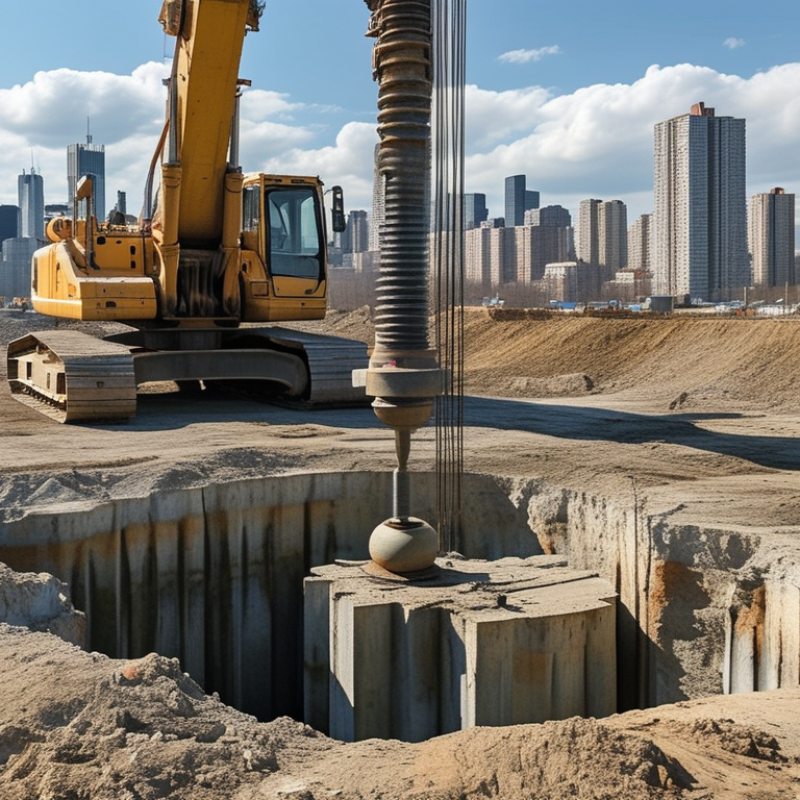
What is a Hydraulic Jacking Pile and Its Function in Construction?
Hydraulic jacking piles are an innovative solution in modern construction. These piles use hydraulic pressure to displace soil and embed themselves into the ground. This process is crucial for projects on challenging terrains. The machinery involved can operate in limited spaces, making it ideal for urban areas with restricted access.
The function of hydraulic jacking piles extends beyond just support. They effectively transfer loads from structures to deeper, stable soil layers. This enhances the foundation's integrity, reducing settlement risks. Their adaptability allows for quick installation. However, the technology isn't without challenges. Improper alignment can lead to inefficiencies. Ensuring precision during installation is vital for optimal performance.
Moreover, hydraulic jacking piles contribute to sustainability. They minimize soil disturbance and reduce waste. The overall construction timeline benefits from their efficiency. Yet, it's essential to weigh these advantages against costs and potential maintenance. Buyers should consider the long-term implications and reliability of this method in their specific context.
Key Components and Mechanism of Hydraulic Jacking Piles
Hydraulic jacking piles are a sophisticated method for foundation support. They are designed to transfer loads from structures deep into the ground. The system relies on hydraulic pressure to drive piles into the earth, ensuring stability. A hydraulic jack creates the necessary pressure, which pushes the pile downwards. This innovative technique minimizes noise and disruption at construction sites.
The key components of a hydraulic jacking pile system include the hydraulic jack, the pile itself, and the driving mechanism. The hydraulic jack generates force to penetrate the soil. Each pile is made of durable materials, often steel or reinforced concrete. The mechanism allows for precise control during the installation process. Operators must monitor performance closely to ensure effectiveness.
However, hydraulic jacking is not without challenges. Soil conditions can vary greatly. This variability may affect pile performance. It is essential to conduct thorough site assessments. Each project requires careful planning and execution. Improper installation can lead to structural issues over time. Understanding these dynamics is crucial for buyers considering this foundation solution.
What is Hydraulic Jacking Pile and Its Benefits for Buyers?
| Feature | Description | Benefits |
| Mechanism | Utilizes hydraulic pressure to drive piles into the ground. | Efficient installation with reduced noise and vibration. |
| Key Components | Includes hydraulic cylinder, control system, and jacking frame. | Simplicity and effectiveness in construction processes. |
| Applications | Suitable for a variety of civil engineering projects. | Versatile tool for different soil conditions and pile types. |
| Cost Efficiency | Lower labor costs and minimized equipment needs. | Provides a high return on investment for projects. |
| Environmental Impact | Reduced disturbance to surrounding areas. | Sustainability features that align with modern construction practices. |
Advantages of Hydraulic Jacking Piles Over Traditional Pile Foundations
Hydraulic jacking piles offer several advantages over traditional pile foundations. They are often more efficient in terms of installation, especially in urban areas with limited access. This method exerts less noise and vibration, creating a more favorable environment for adjacent structures. According to industry data, hydraulic jacking can reduce installation time by up to 50%, which is significant for time-sensitive projects.
Another key benefit is the reduced risk of damage during installation. Traditional pile methods often encounter soil displacement issues, leading to settlement problems. Hydraulic jacking minimizes soil disturbance. A study from the International Journal of Foundation Engineering indicated that hydraulic jacking piles demonstrate a lower occurrence of lateral displacement, which contributes to their long-term stability.
Moreover, the versatility of hydraulic jacking piles is noteworthy. They can be used in a variety of soil conditions, including dense and unstable soils. This versatility allows for more flexible project designs. However, not every situation may fit this method perfectly, as factors like soil composition and site constraints play a crucial role in its effectiveness. Understanding these variables is vital for buyers considering their options.
Impact of Hydraulic Jacking Piles on Soil Settlement and Bearing Capacity
Hydraulic jacking piles are an innovative solution in foundation engineering. They create deep foundations by using hydraulic force to install piles into the ground. This method enhances soil settlement control and increases bearing capacity.
The impact of hydraulic jacking piles on soil settlement is significant. Traditional piling methods often disturb the surrounding soil, leading to potential settlement issues. However, hydraulic jacking minimizes soil displacement. It maintains soil integrity while ensuring a secure foundation. This method also reduces vibrations, making it suitable for sensitive projects near existing structures.
Tips: When selecting hydraulic jacking piles, consider soil type and load requirements. Consult with experienced professionals who understand local conditions. Regularly evaluate the installation process to ensure optimal performance. Investing in quality workmanship can lead to long-term benefits.
The effect on bearing capacity is another advantage. Hydraulic jacking piles generate high load-bearing ability by utilizing superior soil layers. This helps in supporting heavier structures effectively. Some projects may still face challenges, such as variations in soil conditions. It is essential to conduct thorough site investigations to mitigate these risks. This approach can enhance the reliability of foundation performance.
Cost-Effectiveness and Time Efficiency of Hydraulic Jacking Technology
Hydraulic jacking technology offers significant advantages in construction. It allows for quick installation of piles without extensive excavation. This method minimizes site disruption. Workers can complete tasks faster, making projects more efficient. As time is money, reduced labor hours bring cost savings.
Cost-effectiveness is a pivotal aspect of hydraulic jacking. It streamlines the installation process, reducing both material and labor costs. Fewer resources are needed compared to traditional piling methods. The technology's ability to operate in confined spaces also saves on site preparation expenses. Buyers appreciate this efficiency, which can lead to more competitive pricing.
However, hydraulic jacking is not without its challenges. The initial investment can be substantial. Some may worry about the long-term reliability of the piles. Projects requiring deep foundations might also face limitations. Buyers should weigh these factors carefully to ensure that hydraulic jacking aligns with their specific needs. It’s essential to acknowledge that no construction method is flawless; understanding both benefits and potential drawbacks is key to informed decision-making.
Cost-Effectiveness and Time Efficiency of Hydraulic Jacking Pile Technology
This bar chart demonstrates the estimated costs and time efficiency associated with Hydraulic Jacking Pile technology. The values represent an approximation of material and labor costs, as well as the significant time savings and maintenance costs in comparison to traditional methods.