What is Ink Screen Printing Silver Paste Benefits and Uses?
Ink Screen Printing Silver Paste is gaining traction in various industries due to its unique benefits and versatile applications. This printing method, often used in electronics and textile sectors, facilitates the creation of intricate designs with high conductivity. According to a report by Grand View Research, the global screen printing market is projected to reach $6.73 billion by 2025, showcasing significant growth driven by innovations in printing materials, including silver paste.
The advantages of Ink Screen Printing Silver Paste include enhanced adhesion and durability, making it suitable for a wide range of substrates. It provides excellent bonding, which is crucial for electronics that require reliable performance. In addition, silver paste offers superior thermal and electrical conductivity, making it an ideal choice in the manufacture of printed circuits. However, while the benefits are notable, processors must be mindful of factors like cost and environmental impact, as silver paste can be more expensive than traditional inks.
Industry professionals need to assess the local regulations regarding the use of silver materials. Some areas have restrictions that could affect production choices. As the market evolves, keeping an eye on innovations and potential challenges is essential for maximizing the benefits of Ink Screen Printing Silver Paste. Balancing performance with sustainability remains a key consideration for manufacturers.
What is Ink Screen Printing Silver Paste?
Ink screen printing silver paste is a specialized material designed for creating vibrant and durable metallic designs. This paste is primarily used in various printing processes, particularly for textiles and graphic applications. The composition typically includes fine silver particles, which enable a reflective quality that enhances visual appeal. This makes it a popular choice among artists and manufacturers seeking high-quality finishes.
Using silver paste in screen printing presents multiple advantages. First, it provides excellent adhesion to a variety of substrates, ensuring that designs remain intact over time. Its quick-drying properties facilitate a fast production process. However, achieving consistent results can be challenging. Variations in technique or environmental conditions may impact the final outcome. Experimentation is often needed, as the viscosity can be tricky to control, affecting application ease.
Another consideration is the environmental impact. Silver paste may contain chemicals that require proper handling and disposal. It’s crucial to follow guidelines to minimize harm. Understanding the properties of the paste is vital for achieving desired results. Overall, while ink screen printing silver paste enables stunning design possibilities, it also requires careful handling and thoughtful application.
Key Components of Ink Screen Printing Silver Paste
Ink screen printing silver paste is gaining traction in various industries due to its unique properties. The core components of this paste primarily include silver nanoparticles, resins, and solvents. Silver nanoparticles provide excellent electrical conductivity, making them ideal for electronic components. Studies indicate that silver-based inks can improve performance by up to 30% compared to standard inks, particularly in printed circuits.
Silver paste also incorporates specialty resins that enhance adhesion to substrates. These resins ensure durability and resilience against environmental factors. Additionally, the solvents used help maintain optimal viscosity for screen printing applications, which is crucial for achieving precision. Reports suggest that proper solvent choice can significantly affect drying time and overall print quality.
Tip: When working with silver paste, keep your workspace clean. Contaminants can lead to poor adhesion and reduced conductivity. Regularly monitor paste viscosity. This ensures optimal printing conditions. Experimenting with different substrate combinations can yield unexpected results. Sometimes, the best outcomes arise from trial and error. Be prepared to adapt your approach based on performance feedback. Such adjustments can lead to significant improvements in print quality.
Benefits and Uses of Ink Screen Printing Silver Paste
This bar chart illustrates the key benefits of using ink screen printing silver paste, including conductivity, durability, adhesion, flexibility, and cost-effectiveness, quantified by percentage ratings.
Benefits of Using Silver Paste in Screen Printing
Screen printing with silver paste offers unique benefits that set it apart from traditional inks. Silver paste enhances conductivity, making it ideal for electronic applications. This property allows for better performance in various devices. Additionally, the metallic finish adds a distinctive aesthetic. Designers often appreciate this quality for artistic prints and custom projects.
The application process requires precision. Silver paste can be tricky to handle. It needs careful mixing and right curing temperatures to achieve optimal results. If not done properly, the paste can clump or fail to adhere. This challenge keeps screen printers on their toes, fostering a culture of improvement and learning. It demands expertise but rewards with impressive outputs.
Moreover, silver paste has a versatile range of uses. From textiles to electronics, its adaptability is remarkable. However, it’s essential to consider material compatibility. Testing on different substrates can reveal unexpected results. Each project offers a chance to refine technique. A well-executed print can elevate a brand’s identity significantly.
Common Applications of Silver Paste in Various Industries
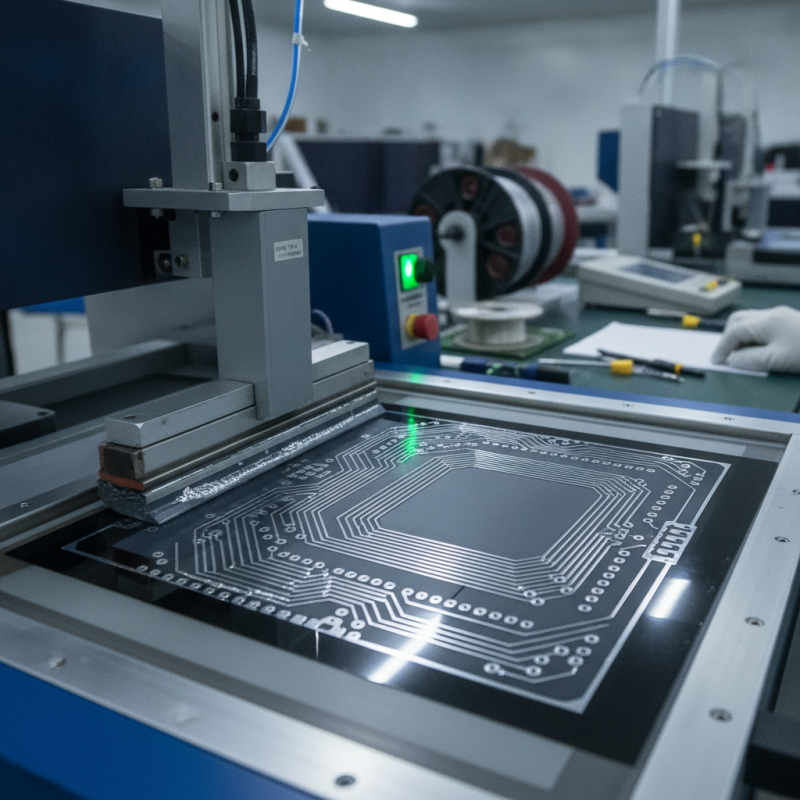
Silver paste, used in ink screen printing, has gained popularity across various industries for its versatility. One common application is in the electronics sector. Silver paste is essential for creating conductive pathways on PCBs. These pathways ensure electronic components function reliably. The fine particles in silver paste allow for precise application, which is crucial in manufacturing compact gadgets.
Another significant use of silver paste is in solar cell production. It enhances energy conversion efficiency in photovoltaic cells. The conductivity allows for better electron flow, leading to improved performance. Many manufacturers appreciate how silver paste contributes to higher energy yields. However, the cost can be a barrier for smaller companies.
In the textile industry, silver paste serves a different purpose. It provides antimicrobial properties to fabrics, making them suitable for sportswear. This application reflects the paste's versatility but may require careful consideration of cost versus benefits. While silver paste is effective, some manufacturers are exploring alternatives, raising questions about sustainability and environmental impact.
Tips for Optimal Use and Handling of Silver Paste
When working with silver paste for ink screen printing, proper handling is crucial. Always store silver paste in a cool, dry place. Exposure to humidity can alter its properties, affecting print quality. Use gloves while handling, as the paste can leave residues on hands. This simple step helps maintain cleanliness and ensures better results.
Before using the silver paste, stir it well. This mixture can settle over time, which might lead to uneven application. Test a small area on your substrate to check for adhesion and curing. If the paste doesn’t adhere properly, review your technique. Adjustments in pressure or drying time may be necessary. Remember, it's okay to make mistakes; they often provide valuable learning opportunities.
Cleaning your tools immediately after use is essential. Dried silver paste can be challenging to remove. While a solvent may help, consider using it cautiously, as chemical interactions can vary. Keeping your workspace organized will also save time and prevent errors. Regular training on application techniques can lead to more consistent results and a better understanding of the material. Each project is unique, so embrace the learning process.
What is Ink Screen Printing Silver Paste Benefits and Uses? - Tips for Optimal Use and Handling of Silver Paste
| Benefit | Description | Optimal Use | Handling Tips |
| Conductivity | Silver paste provides excellent electrical conductivity for a variety of applications. | Use in electronic components where conductivity is essential. | Store in a cool, dry place and keep the lid tightly sealed to prevent moisture absorption. |
| Adhesion | Offers strong adhesion to various substrates including glass, plastic, and ceramics. | Pre-treat surfaces to enhance adhesion before application. | Use appropriate tools to apply and avoid contamination of the paste. |
| Flexibility | Maintains flexibility after curing, making it suitable for flexible substrates. | Ideal for applications on flexible circuits or wearable electronics. | Let the paste cure fully to achieve optimal flexibility. |
| Fast Curing | Cures quickly under appropriate conditions, speeding up production time. | Adjust curing temperature and time based on manufacturer's recommendations. | Monitor curing closely to avoid over-curing which can affect performance. |
| Versatility | Can be used in a range of industries, including automotive and electronics. | Evaluate specific application requirements to choose the right silver paste formulation. | Follow safety guidelines when handling, as some components may be hazardous. |