
Blog

What is a Metallurgical Bridge Crane and How Does it Work?

In the world of heavy industry, a Metallurgical Bridge Crane plays a crucial role. These cranes are vital in handling molten metal and heavy materials. According to Dr. Emily Carter, an expert in industrial engineering, "A Metallurgical Bridge Crane functions as the backbone of metal manufacturing."

Operating a Metallurgical Bridge Crane involves intricate mechanics. It efficiently lifts and moves materials across a vast workspace. However, the complexities of these machines can be daunting. A minor miscalculation can lead to unsafe operations.

Many companies underestimate the importance of regular maintenance for a Metallurgical Bridge Crane. Neglecting routine checks can result in significant downtime. It's essential to reflect on how reliable these cranes are in ensuring safety and efficiency. There is room for improvement in operator training and operational protocols. This focus can enhance both safety and efficiency on the factory floor.
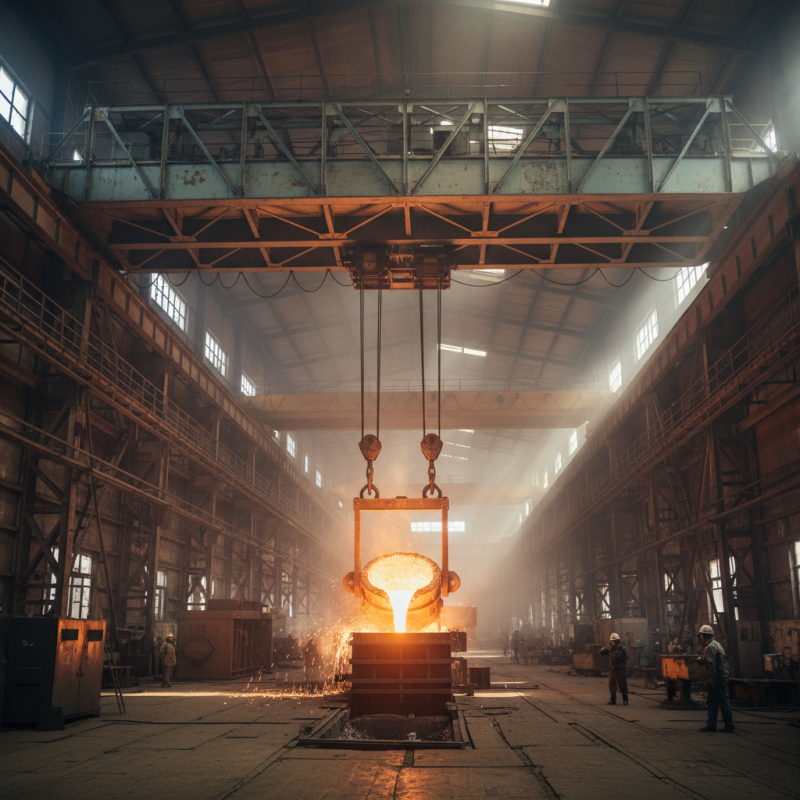
What is a Metallurgical Bridge Crane and How Does it Work?

What is a Metallurgical Bridge Crane?

A metallurgical bridge crane is a specialized piece of equipment designed for handling heavy loads in metal processing facilities. It typically features a bridge that spans the width of the facility. This crane moves along a fixed track, facilitating the transport of materials such as molten metal or heavy steel components. The design ensures it can operate in high-temperature environments and withstand significant loads.

These cranes can lift several tons, with some models boasting capacities exceeding 300 tons. Industry data suggests that the global overhead crane market is expected to grow at a CAGR of 4.4%, indicating increased reliance on automated material handling in sectors like metallurgy. The precision and safety features integrated into these cranes help minimize accidents, making them vital in metallurgy operations.

Tips: Regular maintenance is crucial for a metallurgical bridge crane. Inspect the cables and motors frequently to ensure optimal performance. Additionally, training staff on safety protocols can reduce risks. Remember, even small oversights can lead to significant operational failures. Proper checks can help you avoid costly downtimes.

Metallurgical Bridge Crane Usage by Industry

Key Components of Metallurgical Bridge Cranes

Metallurgical bridge cranes are essential in heavy-duty industries. They are designed for handling molten metals and heavy materials. The cranes typically operate in steel mills and foundries. Their operation hinges on several key components.

The main elements include the hoist, bridge, and trolley. The hoist lifts heavy loads vertically. It often uses high-capacity wire ropes or chains. The bridge spans the width of the workspace. It moves along rails, allowing flexibility. The trolley travels along the bridge for horizontal transport. Reports suggest that proper maintenance of these components can improve efficiency by 20%. Regular inspections are crucial to preventing failures.

Material handling challenges remain significant. Many crane operators face issues related to load capacity and speed. A 2021 survey indicated that nearly 30% of operators reported downtime due to equipment failure. This highlights the need for improved reliability. While the technology exists to enhance crane designs, implementation is not always straightforward. Organizations may lack resources for necessary upgrades. Adapting to industry standards can be slow and complex. Regular training for operators is equally important to ensure safety and efficiency.

How Metallurgical Bridge Cranes Operate

Metallurgical bridge cranes play a vital role in heavy industries. These cranes move molten metal and other materials. Their design accommodates extreme temperatures and weights, efficiently handling up to 500 tons. According to a recent industry report, bridge cranes improve productivity by nearly 30%.


Operating a metallurgical bridge crane involves several crucial components. The trolley and hoist mechanism operates on a bridge that runs on elevated tracks. This arrangement provides maximum lifting height and maneuverability. Safety is a major concern. Almost 60% of crane-related accidents stem from operator error. Regular training and check-ups are necessary to mitigate risks.


The systems are controlled through advanced technology. Operators rely on pendant controls or remote systems. Real-time monitoring ensures everything runs smoothly. However, this complex machinery can face challenges. Maintenance is often overlooked, leading to potential safety hazards. Observations show that about 20% of downtime is due to improper upkeep. Understanding these operations is crucial for enhancing safety and efficiency in metallurgical environments.

Applications of Metallurgical Bridge Cranes in Industry

Metallurgical bridge cranes are essential in various industrial applications. They are primarily used in steel production and metalworking facilities. Their ability to lift heavy loads with precision makes them invaluable in these environments. A metallurgical bridge crane can typically handle loads ranging from 5 tons to over 100 tons, depending on design specifications. This capability is crucial for moving molten metal and heavy machinery safely.

In foundries and metal fabrication shops, these cranes help streamline processes. They can operate in harsh conditions, often with high temperatures and fumes. Reports indicate that using such cranes can reduce labor costs by up to 30% due to automation and efficiency. Automotive and aerospace industries also benefit from their use. They facilitate the transport of heavy metal components during assembly.

Tips: Regular maintenance is vital. Inspecting the crane frequently can prevent costly downtimes. Training operators is equally important. Even skilled workers need to adapt to specific models. Remember that safety should always come first. A good safety record leads to a better working environment.

While bridge cranes enhance productivity, they can also present challenges. Operator training may be inconsistent due to high turnover. This can lead to accidents if not addressed. Moreover, the initial investment in such equipment can be significant. Balancing high costs with operational efficiencies requires careful planning.

Safety Considerations for Using Metallurgical Bridge Cranes

Using metallurgical bridge cranes comes with significant safety considerations. Workers must be aware of their environment. These cranes operate heavy loads, and any miscalculation can lead to accidents. Operators should undergo thorough training. They need to recognize load limits and proper handling techniques.

Regular inspections of the cranes are crucial. A faulty mechanism can lead to failures during operation. Operators must check for wear and tear. Safety devices should be functional at all times. It’s important to routinely test emergency stops. Clear communication among team members helps prevent confusion. Signals should be simple and understood by all.

Wearing appropriate personal protective equipment is essential. Hard hats, gloves, and steel-toed boots can mitigate injuries. There should be a secure area around the crane's operating zone. Unauthorized personnel should not enter this space. An open line of communication with spotters or signalers can ensure everyone’s safety. Keeping a tidy workspace also minimizes trip hazards and distractions. Regular safety meetings could help reinforce these practices.

By continuing to use the site, you agree to the use of cookies. more information

The cookie settings on this website are set to "allow cookies" to give you the best browsing experience possible. If you continue to use this website without changing your cookie settings or you click "Accept" below then you are consenting to this.

Close