
Blog

What Is an Oxygen Generator and How Does It Work?

An Oxygen Generator produces oxygen on site instead of relying only on delivered cylinders. The name covers several technologies, but pressure swing adsorption is common in medical and industrial systems. It uses compressed air and molecular sieve material to separate oxygen from nitrogen. The process repeats through paired beds, allowing one bed to produce oxygen while the other regenerates. No magic. Just carefully controlled flow, pressure, and timing.

NASA MOXIE principal investigator Dr. Michael Hecht has emphasized the value of producing oxygen from local resources for future exploration. This is a paraphrase of his work, not a verified verbatim quotation. The engineering lesson applies on Earth, too: output must match the application. Purity, flow rate, pressure, maintenance needs, and operating conditions all matter. A compact unit beside a clinic may look simple, yet its sieve beds, valves, filters, and sensors perform precise work. Small changes can affect performance.

This guide explains what an Oxygen Generator is, how its main components function, and where different designs are used. It also distinguishes oxygen generators from concentrators, terms that are sometimes used interchangeably. They are related, but not always identical. Buyers and operators should check manufacturer specifications and consult qualified professionals when selecting or maintaining equipment. The right choice depends on real demand, not just a headline purity figure.
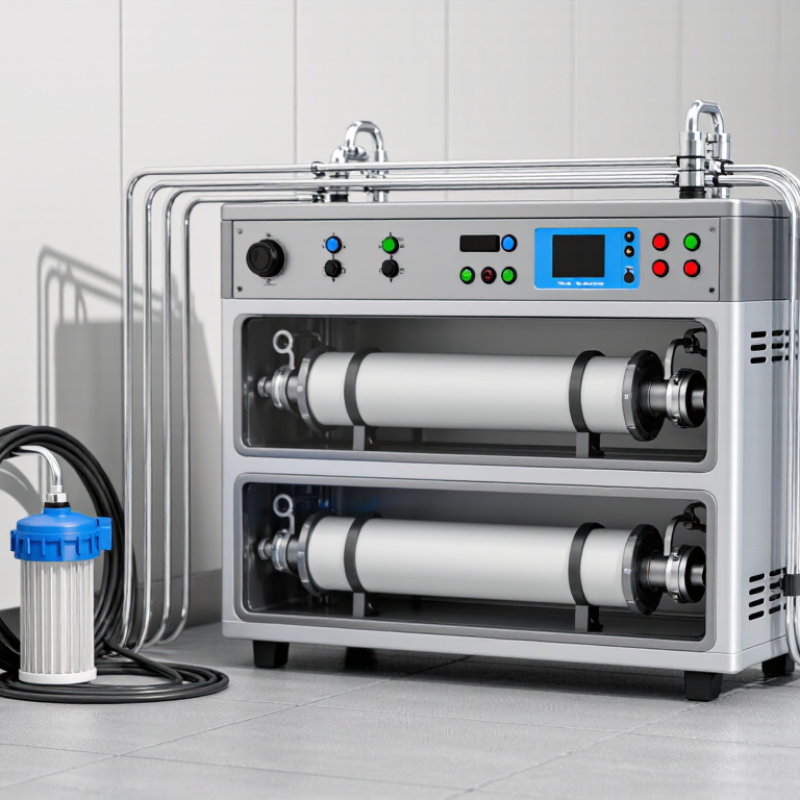
What Is an Oxygen Generator and How Does It Work?

What an Oxygen Generator Is

An oxygen generator is a machine that separates oxygen from the air around it. It does not create oxygen from nothing. Room air contains about 21 percent oxygen, with most of the remainder being nitrogen. Many generators use pressure swing adsorption: air passes through a material that holds back much of the nitrogen, while oxygen-rich gas flows out. Some systems use membranes instead. The term can be confusing, since “oxygen generator” may describe equipment used in homes, clinics, or industrial settings.

A typical unit draws in room air through a filter, then compresses and separates its gases. You may hear a steady hum and feel warm air leaving the casing. Output purity and flow depend on the equipment and its settings; they are not identical across devices. Small details matter. A clogged filter, for example, can affect performance. Not every generator is designed to provide oxygen for breathing, so medical use requires equipment suited to that purpose and guidance from a qualified clinician. Oxygen also makes fires burn more intensely, so keep it away from flames, sparks, and smoking materials.

The Main Types of Oxygen Generators

What Is an Oxygen Generator and How Does It Work?

The Main Types of Oxygen Generators

Oxygen generators separate oxygen from ordinary air, but different systems suit different scales. Pressure swing adsorption, or PSA, uses molecular sieve beds to capture nitrogen. Oxygen-rich gas then flows out as the beds switch cycles. WHO guidance from 2020 gives PSA plant output as about 93% oxygen, with a ±3% range. The process runs on site, so operators need reliable power and routine maintenance.

Vacuum pressure swing adsorption, or VPSA, uses vacuum during sieve regeneration. It is commonly selected for larger, steady output. Cryogenic systems cool air until its components separate by boiling point. They can produce liquid oxygen for bulk storage and delivery. The equipment is substantial, though, and smaller facilities may not need that capacity.

Membrane generators pass compressed air through selective membranes. They are compact and can provide nitrogen-depleted air, but generally produce lower oxygen concentrations than PSA systems. For medical concentrators, WHO and UNICEF’s 2019 technical specifications describe common 5- and 10-liter-per-minute units, with oxygen concentration of 82–96%. That detail matters. A generator’s type alone does not confirm it fits a particular use; output, purity, power needs, and servicing all deserve scrutiny.

What Is an Oxygen Generator and How Does It Work? — The Main Types of Oxygen Generators
Type How It Works Typical Oxygen Output Common Uses Key Advantages Important Considerations
Pressure Swing Adsorption (PSA) Compressed air passes through beds of zeolite, which preferentially adsorb nitrogen. The beds alternate between pressurized adsorption and depressurization, releasing nitrogen and producing oxygen-enriched gas. Usually about 90–95% oxygen by volume in many generator systems; exact purity depends on design, flow rate, and operating conditions. Medical oxygen concentrators, healthcare facilities, aquaculture, wastewater treatment, and small-to-medium industrial applications. Can produce oxygen continuously from air; avoids routine delivery of liquid oxygen or high-pressure oxygen cylinders. Requires electricity, regular maintenance, and a suitable air supply. Output purity can decrease when flow demand exceeds the system’s rated capacity.
Vacuum Pressure Swing Adsorption (VPSA) Uses adsorption beds to separate nitrogen from air, then applies a vacuum during regeneration to help remove the adsorbed nitrogen. It commonly operates at lower feed pressures than conventional PSA. Often around 90–95% oxygen by volume, depending on plant design and operating conditions. Continuous, high-volume supply for steelmaking, glass production, pulp and paper, and other industrial processes. Designed for large, steady oxygen demand and can be efficient at suitable industrial scales. Typically requires more space and specialized equipment than a compact PSA unit. Efficiency depends on plant scale, demand pattern, and energy costs.
Membrane Separation Air flows across selective membranes that allow some gases to pass through faster than others. The resulting gas is enriched in oxygen relative to air. Usually oxygen-enriched air rather than high-purity oxygen; concentration varies with membrane design and operating conditions. Combustion enhancement, some wastewater and aquaculture applications, and other processes that can use oxygen-enriched air. Can be compact and mechanically simple, with no cycling adsorption beds. Generally not suitable where high oxygen purity is required. Performance depends on pressure, temperature, feed-air quality, and the required enrichment level.
Cryogenic Air Separation Air is cleaned, compressed, cooled until it liquefies, and separated into components using differences in boiling points in a distillation process. Can produce high-purity oxygen; purity and physical delivery form depend on plant configuration and product requirements. Large industrial users and bulk supply chains that need substantial quantities of oxygen, often alongside nitrogen and argon. Well suited to large-scale production and can provide liquid oxygen as well as gaseous product. Plants are complex and capital-intensive, and are generally most appropriate where demand is large and consistent.
Water Electrolysis An electric current splits water into oxygen and hydrogen in an electrolyzer. The gases are produced at separate electrodes and must be handled using equipment designed for their specific hazards. Oxygen purity varies by electrolyzer design and downstream treatment; it is not a single standard value for all systems. Hydrogen production systems, laboratories, and specialized applications that can use or process both product gases. Produces oxygen without separating it from atmospheric nitrogen and can pair with renewable electricity. Uses water and electricity and also produces hydrogen, which is flammable and requires separate, appropriate handling. It is distinct from air-separation oxygen concentrators.

Key Components and Their Functions

What Is an Oxygen Generator and How Does It Work?

An oxygen generator, commonly called an oxygen concentrator, separates oxygen from the surrounding air. Its intake filter catches dust before a compressor pushes air through the system. In pressure-swing adsorption, zeolite sieve beds capture much of the nitrogen. Valves alternate airflow between beds, allowing one bed to produce oxygen while the other releases nitrogen. Oxygen-rich gas then collects in a buffer tank. A flow meter controls delivery, and a sensor monitors oxygen concentration. It sounds simple. It is not.

Each component affects performance. A blocked filter can restrict airflow, while worn seals or faulty valves may reduce output. The World Health Organization’s 2015 technical specifications for oxygen concentrators list an oxygen concentration range of 82% to 96% at rated flow. Actual output depends on operating conditions and maintenance. A clean cabinet can still hide a clogged filter; appearance alone proves little. That detail is easy to miss.

Tip: Check the filter, tubing, flow setting, and alarm status as directed by the equipment instructions. Do not assume an alarm-free device guarantees adequate oxygen delivery. For medical use, have a qualified professional confirm the device suits the prescribed flow and care plan.

What Is an Oxygen Generator and How Does It Work?

Key components and their functions in a pressure swing adsorption (PSA) oxygen generator

Typical oxygen concentration: ambient air contains about 20.9% oxygen. PSA systems commonly produce oxygen-enriched gas around 90–95%; actual output varies by system and operating conditions.

Compressor and filters
Compress incoming air; filters help remove dust and other contaminants.
Zeolite sieve beds
Adsorb much of the nitrogen from compressed air, enriching the remaining gas in oxygen.
Switching valves
Alternate airflow between sieve beds so one can produce oxygen while the other regenerates.
Product tank and flow control
Help smooth the oxygen supply and set the delivery flow.

How an Oxygen Generator Produces Oxygen Step by Step

An oxygen generator separates oxygen from ordinary air; it does not create oxygen from nothing. A fan draws room air through an intake filter, and a compressor pushes it into a molecular sieve bed. The sieve material captures much of the nitrogen while oxygen-rich gas passes through. The cycle repeats.

In a pressure-swing adsorption system, two sieve beds take turns. One separates gas while the other depressurizes and releases trapped nitrogen, then the roles switch. A small reservoir smooths the output before it reaches the outlet. The World Health Organization’s 2015 Technical Specifications for Oxygen Concentrators sets an outlet concentration above 82% as a performance threshold for these devices. Actual concentration depends on flow, maintenance, and operating conditions. Moisture matters.

Tips: Keep the air intake clear, replace filters as specified, and check the outlet concentration with suitable equipment. A quiet compressor can still be underperforming. If readings fall below the device’s specified range, inspect the filters and airflow before assuming the sieve beds have failed.

Common Uses and Operating Requirements

An oxygen generator separates oxygen from surrounding air, often through pressure-swing adsorption. A compressor pushes air through a material that captures much of its nitrogen. Oxygen-rich gas then flows to an outlet. The exact output depends on the unit and its operating conditions.

Common uses include prescribed home oxygen therapy, clinics, laboratories, and some industrial processes. Medical users should follow a clinician’s flow-rate instructions; changing the setting without guidance can be unsafe. In workshops, oxygen may support specific processes, but it does not replace a suitable oxygen supply for every application. Check that the generator’s purity and delivery rate match the task.

Operating conditions matter. The unit needs a steady power source, clear ventilation openings, and room around it for airflow. Keep intake filters clean and replace them according to the maintenance schedule. Dusty rooms can clog filters sooner than expected. Check alarms, tubing, and connections for damage or leaks. Oxygen enriches combustion, so keep the outlet and tubing away from flames, smoking, oils, and grease. It is easy to underestimate how much a blocked vent or neglected filter can affect performance. Follow the equipment manual, and arrange qualified service when readings or alarms seem abnormal.

By continuing to use the site, you agree to the use of cookies. more information

The cookie settings on this website are set to "allow cookies" to give you the best browsing experience possible. If you continue to use this website without changing your cookie settings or you click "Accept" below then you are consenting to this.

Close