How to Passivate Stainless Steel for Optimal Corrosion Resistance?
Stainless steel is celebrated for its remarkable corrosion resistance, but it can still face challenges in harsh environments. To enhance its durability, it is essential to Passivate Stainless Steel effectively. This process involves treating steel with chemical solutions to create a protective oxide layer. This layer can significantly improve the metal's ability to resist corrosion.
Passivating stainless steel is not just a routine task; it requires knowledge and expertise. Various methods exist, each suited for different types of stainless steel and their intended applications. The importance of proper passivation cannot be overstated. An inadequate process can result in less effective protection, leading to rust and deterioration over time.
While many industries rely on stainless steel, not all recognize the nuances of adequate passivation. Common mistakes include using inappropriate chemicals or improper application techniques. Each step matters. Understanding how to passivate stainless steel is crucial for ensuring its longevity and performance. This article will explore effective methods for optimal results.
Understanding Passivation and Its Importance for Stainless Steel
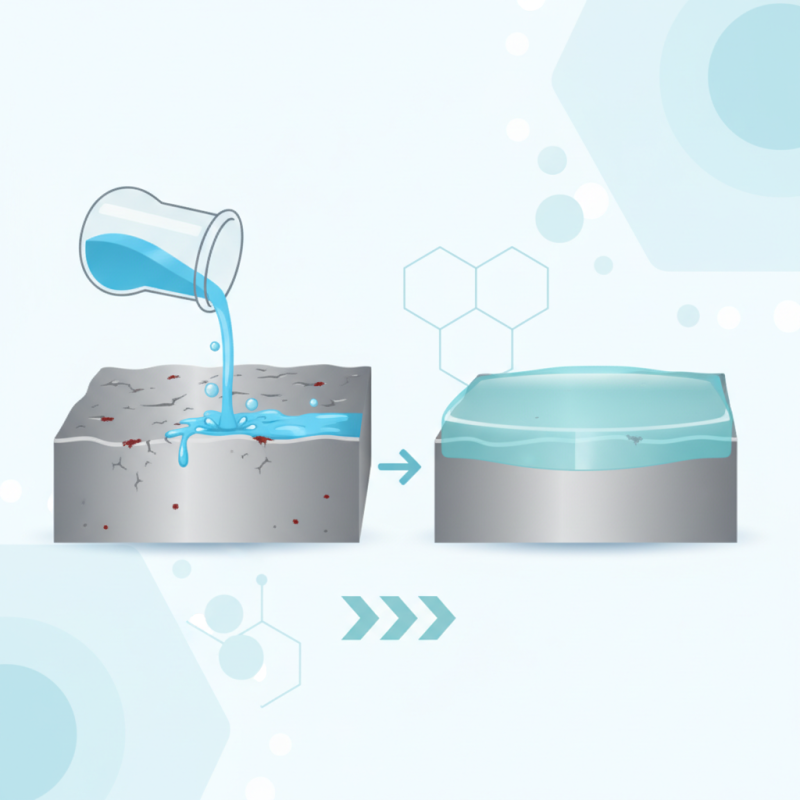
Passivation is a crucial process for enhancing the corrosion resistance of stainless steel. This procedure involves treating the surface to create a protective oxide layer. This layer minimizes the risk of rust and degradation when exposed to air and moisture. Understanding the significance of passivation allows us to ensure that stainless steel components last longer and maintain their aesthetic appeal.
One tip for effective passivation is selecting the right solution. Common agents include citric acid and nitric acid, known for their effectiveness in removing contaminants. The method of application is vital. A careful, controlled application ensures even coverage, preventing spots that might lead to corrosion.
Another tip is monitoring the environmental conditions during passivation. Humidity and temperature can affect the process. For optimal results, perform passivation in a dry, temperature-controlled environment. This reduces the likelihood of atmospheric variables interfering with the protective layer's formation. Keep in mind that improper conditions can lead to inconsistencies in the passivation results, leaving room for improvement.
Common Methods for Passivating Stainless Steel Surfaces
Passivating stainless steel is essential for enhancing its corrosion resistance. Several common methods can achieve this. One widely used technique involves using nitric acid. This process removes free iron and forms a protective oxide layer. Another effective method is citric acid passivation, which is less hazardous and eco-friendly. This method works well for various stainless steel types.
Tips: Ensure the surface is clean before passivation. Any contaminants can hinder the process. It's crucial to maintain the right temperature during the treatment. A consistent temperature helps in forming an even oxide layer.
Electropolishing is another valuable approach. This technique smoothens the surface and enhances corrosion resistance. While it offers excellent results, it can be costly and requires specialized equipment. Evaluating your specific needs is important when considering this method.
Further, think about environmental factors. Even passivated stainless steel can corrode in harsh conditions. Regular maintenance and inspection are important to ensure ongoing protection. Adopting these practices can help extend the lifespan of your stainless steel products.
Step-by-Step Guide to Passivate Stainless Steel Effectively
Passivating stainless steel is a crucial process for enhancing its corrosion resistance. This guide outlines practical steps for effective passivation. Begin with cleaning the steel surface thoroughly. Use a non-abrasive cleaner to remove oils, dirt, and any existing corrosion. Rinse the surface with deionized water to eliminate any remaining contaminants. Proper cleaning sets the stage for successful passivation.
Next, prepare the passivation solution. Common options include citric acid or nitric acid. Always follow safety guidelines when handling these substances. Immerse the stainless steel components in the solution for a specified duration—usually 20 to 30 minutes. This process will help form a protective oxide layer on the steel's surface.
After the immersion, rinse the components with deionized water. Ensure all acid residues are washed away to prevent unwanted reactions. Dry the stainless steel thoroughly to avoid water spots. Inspect the surface for any imperfections or areas that may need re-treatment. The goal is a smooth finish that promotes longevity and resistance to corrosion. This attention to detail can make a measurable difference in the steel's performance over time.
Corrosion Resistance of Passivated Stainless Steel vs. Non-Passivated Stainless Steel
Best Practices for Maintaining Passivated Stainless Steel Components
Maintaining passivated stainless steel components is crucial for optimal corrosion resistance. Regular cleaning plays an essential role. Use a mild detergent and water to remove dust and debris. Avoid harsh chemicals that can damage the protective layer. Rinse thoroughly to prevent residue buildup.
Inspection is key to ensuring longevity. Check for signs of discoloration or corrosion. These indicate that the passivation layer may be compromised. If issues arise, consider re-passivating the surface. It's a straightforward process but often overlooked. Apply a citric acid solution to enhance corrosion resistance, restoring the protective layer.
Storage conditions also affect passivated stainless steel. Store in a dry, cool area to prevent moisture exposure. Cover components to protect against contamination. Humidity and pollutants can degrade the passivation. Regularly revisiting these maintenance practices can prolong the life of stainless steel. Embracing a proactive approach helps to avoid costly repairs or replacements.
How to Passivate Stainless Steel for Optimal Corrosion Resistance? - Best Practices for Maintaining Passivated Stainless Steel Components
| Procedure | Description | Duration | Temperature (°C) | Key Benefits |
| Chemical Passivation | Using nitric acid solution to remove free iron and form a protective oxide layer. | 30 minutes | 20-30°C | Enhances corrosion resistance and durability. |
| Electropolishing | An electrochemical process that polishes the surface by removing a thin layer of material. | 1-3 hours | 10-50°C | Creates a smooth, clean surface and minimizes bacterial attachment. |
| Passivation Baths | Immersion in passivation solutions to enhance oxide layer formation. | 15-45 minutes | 20-25°C | Improves resistance to environmental factors like moisture. |
| Cleaning | Use of appropriate cleaners to remove contaminants before passivation. | Varies based on product | N/A | Ensures effective passivation by eliminating residues. |
Assessing the Effectiveness of Stainless Steel Passivation Techniques
When evaluating the effectiveness of stainless steel passivation techniques, it’s crucial to understand the underlying chemistry. Passivation typically involves treating stainless steel with acid solutions, commonly citric or nitric acid, which removes free iron. This process assists in forming a more protective oxide layer. According to a report from the American Society for Testing and Materials (ASTM), a properly passivated surface can reduce corrosion rates by up to 90%.
However, not all passivation methods yield equal results. Factors such as solution concentration, temperature, and duration significantly impact the oxide layer's quality. A study by the National Association of Corrosion Engineers (NACE) revealed that insufficient time in the acidic bath can leave the surface vulnerable. On the other hand, prolonged exposure might lead to unwanted surface roughness. These variables highlight the need for precise control during the passivation process.
Real-world applications show varying effectiveness across different environments. For example, in marine settings, passivated stainless steel may still corrode under specific conditions. Environmental factors, such as salinity and temperature, can compromise the protective layer’s integrity. Thus, while passivation improves corrosion resistance, it is not a foolproof solution. Regular inspections remain essential for maintaining the integrity of stainless steel in corrosive environments.