What is a Railway Inverter and How Does it Work?
In the rapidly evolving world of railway technology, the Railway Inverter plays a crucial role. According to Dr. Emily Chen, an expert in railway systems, "Railway Inverters are essential for efficient energy management in train operations." These devices convert direct current into alternating current, enabling trains to operate smoothly and efficiently.
Railway Inverters are vital components in the electrical systems of modern trains. They ensure that power is utilized effectively, enhancing overall performance. However, the complexity of these systems can pose challenges. For instance, while they promote energy efficiency, improper installation may lead to system failures.
The industry continually seeks improvements. While many advancements have been made, the reliability of Railway Inverters remains an area for reflection. Understanding their function and potential issues is critical. This knowledge allows for informed decisions in railway operations, ensuring safety and efficiency.
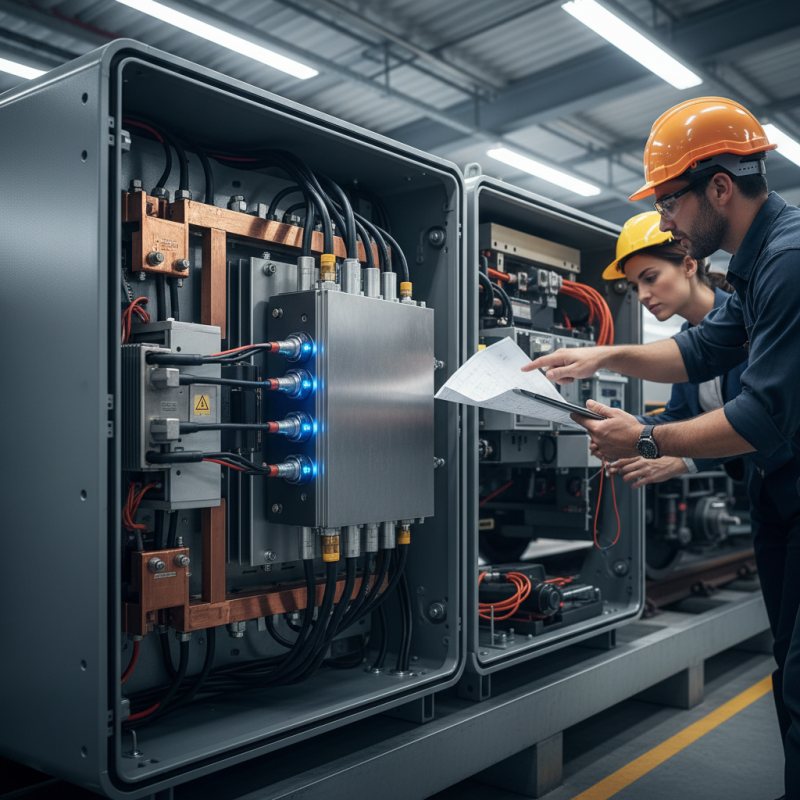
Definition of a Railway Inverter and Its Purpose
A railway inverter is a crucial component in modern electric trains. Its main purpose is to convert direct current (DC) from power sources into alternating current (AC) for traction motors. This process allows trains to operate efficiently and smoothly. The inverter adjusts the voltage and frequency to meet the demands of the motor, providing better performance and energy savings.
Using inverters enhances the overall efficiency of rail systems. They allow for regenerative braking, capturing energy when trains slow down. This energy can be fed back into the power grid or stored for later use. However, inverters can be complex and require regular maintenance. If not properly managed, issues such as heat build-up can arise, affecting performance.
Tips: Regularly check connections and cooling systems to ensure optimal operation. Pay attention to any unusual noises or overheating. Understanding how the inverter interacts with other systems is key. This knowledge can help prevent unexpected failures and improve reliability in rail operations.
Components of a Railway Inverter System
A railway inverter is a key component in modern train systems, converting DC power into AC power for traction. Understanding its components is essential for grasping its functionality.
The main elements include the inverter unit, control systems, and filtering components. The inverter unit consists of power semiconductor devices, such as IGBTs. According to the International Energy Agency, efficient inverters can improve energy conversion efficiency by up to 98%.
Control systems regulate the inverter's output, ensuring that trains receive stable power. These systems utilize advanced algorithms to manage performance effectively.
Filtering components minimize electrical noise and harmonics, essential for protecting sensitive onboard electronics. The design of these filters greatly impacts overall system performance. As reported by the Railway Industry Association, neglecting the quality of these components can lead to costly operational disruptions.
A freight train’s operational efficiency highly depends on reliable inverter performance. Despite advancements, challenges remain in integrating these systems seamlessly. Continuous testing and adaptation are necessary for optimal results.
How Railway Inverters Function: The Conversion Process
Railway inverters are essential components for modern rail systems. They convert DC electricity from power sources into the AC electricity required by train motors. This conversion process is critical for efficient train operation. According to a report from the International Energy Agency, around 30% of the total energy consumed by rail transport is attributable to propulsion systems. Hence, the efficiency of inverters plays a significant role in reducing overall energy consumption.
The conversion process begins with the inverter receiving DC input. It uses power electronics to switch the DC power into AC. Advanced semiconductor materials, such as silicon carbide, enable these inverters to operate at higher efficiencies, often exceeding 95%. However, challenges remain. Temperature fluctuations can affect the inverter's performance. Moreover, the complex control algorithms required can sometimes lead to inefficiencies during operation.
Maintenance and monitoring of railway inverters are crucial. Sensor technologies provide real-time data on inverter performance. Reports indicate that predictive maintenance can reduce downtime by 20%. Nonetheless, railroad operators must continually update their systems to tackle emerging issues. An investment in advanced inverter technology is vital for enhancing railway system reliability and sustainability.
Applications of Railway Inverters in Modern Rail Systems
Railway inverters play a crucial role in modern rail systems. They convert direct current (DC) into alternating current (AC) for traction motors. This conversion improves energy efficiency and allows for better control of train speeds. The reliability of these inverters is vital for the smooth operation of trains, significantly impacting overall performance.
Applications of railway inverters vary widely. They are used in electric locomotives, which require consistent power for efficient operation. Additionally, they support regenerative braking systems. When a train slows down, energy is fed back into the power grid. This capability not only conserves energy but also reduces wear on mechanical brakes. However, the technology is not without challenges. The design must withstand harsh environments, including extreme temperatures and vibrations.
Moreover, the integration of inverters in urban transit systems, such as metros and trams, has become increasingly common. They help manage energy distribution across multiple cars, enhancing energy efficiency further. Yet, the complexity of these systems can lead to potential maintenance issues. Frequent inspections and updates are essential to ensure ongoing reliability. This aspect highlights the need for continual innovation in inverter technology to address operational shortcomings.
Applications of Railway Inverters in Modern Rail Systems
The chart above illustrates the impact level of various applications of railway inverters in modern rail systems, highlighting their significant contribution to energy efficiency, regenerative braking, and cost reduction.
Benefits of Using Railway Inverters in Train Operations
Railway inverters play a crucial role in modern train operations, enabling efficient power conversion. These devices transform direct current (DC) into alternating current (AC) for traction systems. This capability is essential for electric trains, allowing for smoother acceleration and better performance on varied terrains. According to industry reports, implementing railway inverters can improve energy efficiency by up to 30%. This not only enhances operational performance but also significantly reduces energy costs over time.
Using railway inverters contributes to overall maintenance reduction. They provide real-time data on energy usage and performance. This insight allows for proactive maintenance, minimizing delays and unexpected breakdowns. Furthermore, the durability of these systems tends to enhance the lifespan of train components. A report from a railway technology firm indicates that trains equipped with advanced inverters experience 25% fewer operational disruptions compared to those relying solely on traditional systems.
However, the transition to railway inverters is not without challenges. Initial installation costs can be high, and there may be a steep learning curve for staff. Also, their reliance on advanced technology raises concerns about potential system failures. This points to the need for continued training and investment in reliable backup systems. As railways evolve, striking a balance between innovation and operational stability remains a pivotal issue.